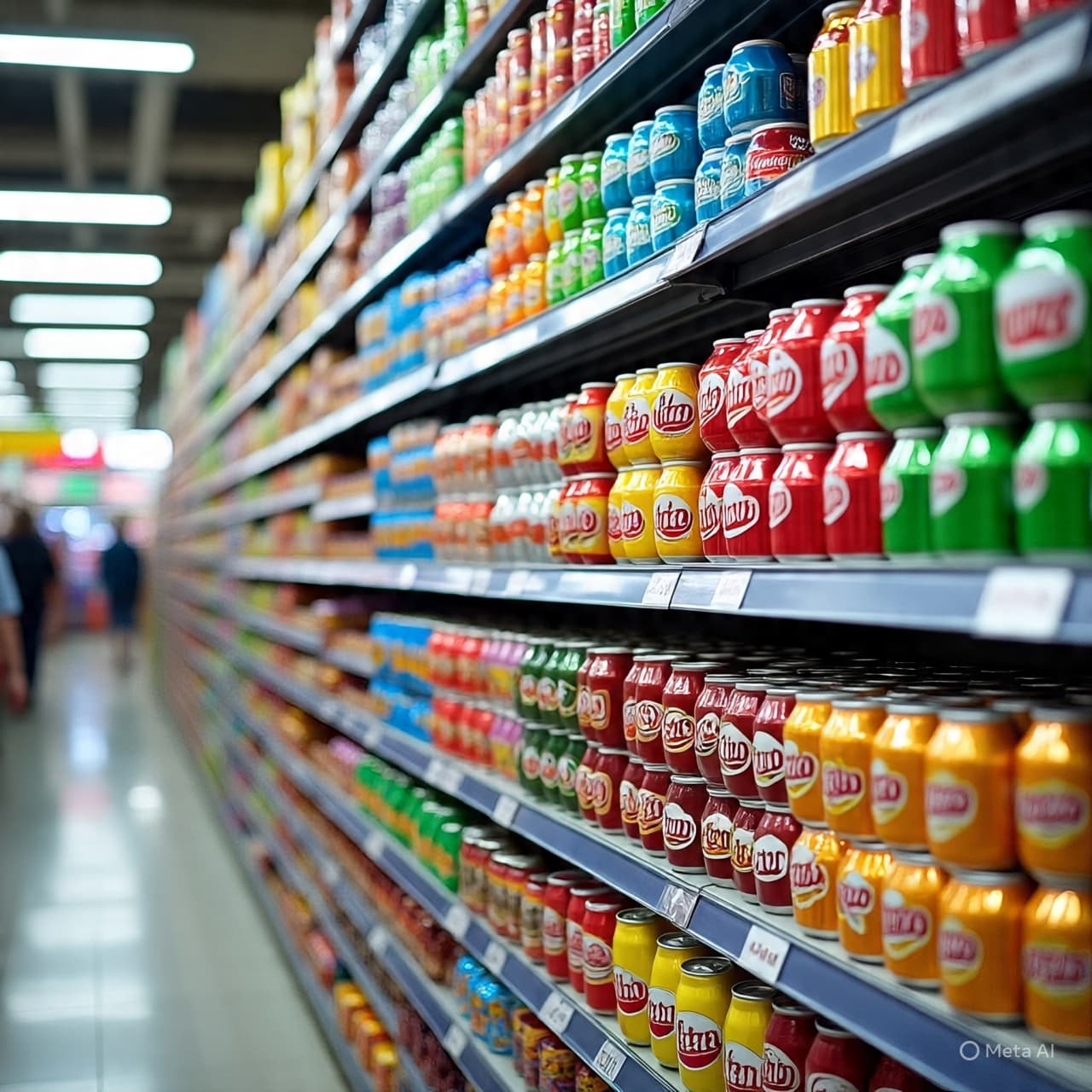
Some problems do not announce themselves with urgency. They accumulate quietly, spoon by spoon, habit by habit, until their weight becomes impossible to ignore. Sugar, once a symbol of comfort and celebration, has increasingly come to occupy this quieter, heavier space in public debate across Europe.
In Germany, policymakers have proposed the introduction of a nationwide sugar tax, citing persistently high levels of consumption and the long-term strain it places on public health systems. The proposal reflects growing concern over rising rates of obesity, diabetes, and related illnesses, particularly among younger populations. Rather than framing sugar as an individual failing, the discussion has shifted toward how modern food environments shape everyday choices.
Supporters of the proposal argue that price signals matter. By making sugary drinks and products more expensive, they believe consumption patterns can gradually change, nudging consumers toward healthier alternatives. Similar measures in other countries have been credited with reducing sugar intake without eliminating choice, allowing markets and habits to adapt over time.
The tone of the debate has remained measured. German officials have emphasized prevention over punishment, presenting the tax as one element of a broader strategy that includes education, clearer food labeling, and cooperation with manufacturers. The goal, they suggest, is not to moralize diets but to address a systemic imbalance between convenience, affordability, and long-term health.
Critics, however, caution that such a tax could disproportionately affect lower-income households and small businesses. They argue that personal responsibility, not taxation, should remain central to dietary decisions. Others question whether a single fiscal measure can meaningfully alter deeply ingrained consumption patterns.
As the proposal moves through political discussion, it sits at the intersection of health, economics, and everyday life. Sugar, after all, is not an abstract commodity but a familiar presence in kitchens, cafés, and childhood memories. Germany’s debate suggests that even the most ordinary ingredients can prompt national reflection when their cumulative effects become impossible to overlook.
Published by Banx Network. This article is part of the Banx decentralized media programme, powered by the BXE token on the XRP Ledger.