
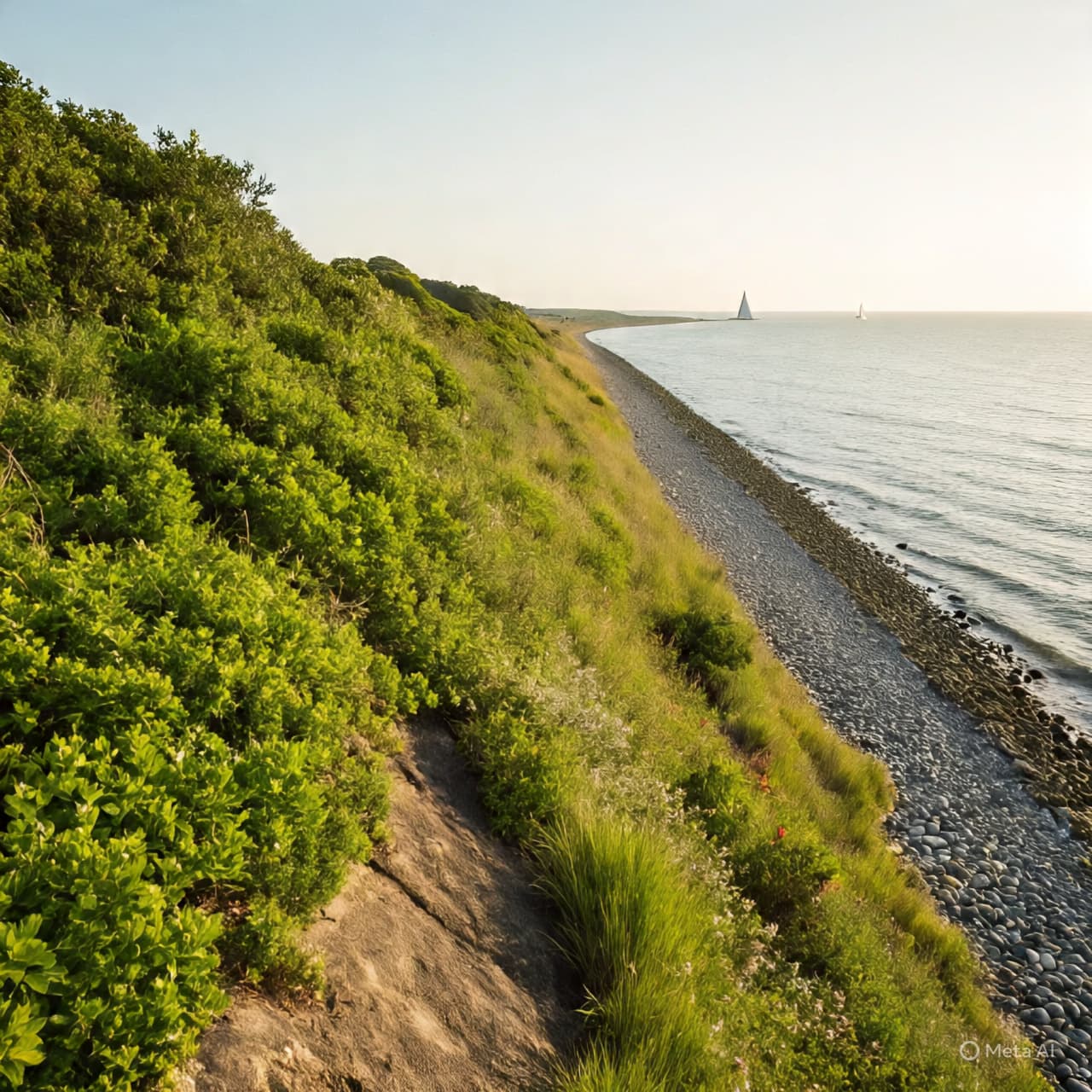
Key Highlights
- Deltares Institute is testing plant-based systems for coastal flood protection.
- Living dikes use vegetation to enhance resilience against rising sea levels.
- This innovative approach integrates ecological balance with infrastructure.
[Introduction] The Deltares Institute is pioneering an innovative approach to coastal flood protection through the concept of “living dikes.” This method emphasizes the integration of vegetation into traditional coastal defenses, reshaping how systems respond to the rising levels of the North Sea. Unlike conventional dikes made from soil, stone, and concrete, living dikes utilize carefully selected plant species to create a dynamic and resilient barrier against flooding.
[The Role of Vegetation] Living dikes rely on the natural abilities of plants to bind soil, reduce erosion, and absorb the impact of waves and wind. The roots of these plants not only stabilize the structure but also contribute to its overall strength. This approach marks a significant shift from static, engineered barriers to a more organic solution that evolves over time, adapting to environmental changes and enhancing the resilience of coastal areas.
[Environmental Benefits] Beyond their protective capabilities, living dikes also offer substantial environmental benefits. They provide habitats for wildlife, support biodiversity, and improve water quality. This dual functionality highlights a growing recognition that infrastructure can coexist with natural ecosystems, fostering a balance that benefits both human settlements and the environment. By integrating vegetation into coastal defenses, living dikes serve as a model for sustainable infrastructure.
[Challenges and Research] The implementation of living dikes is not without its challenges. Researchers at Deltares are conducting extensive studies to evaluate the performance of different plant species under various conditions, as well as the long-term durability of these structures. This research is crucial for understanding how living dikes can withstand extreme weather events and changing climate conditions. The process requires patience and careful observation, as the true effectiveness of these systems will only be revealed over time.
[Future Implications] As Deltares continues its experiments with living dikes, the findings may influence future coastal defense strategies not only in the Netherlands but also in other regions facing similar challenges. This innovative approach represents a significant step forward in how we think about infrastructure and its relationship with the natural world. By embracing the idea that nature can play a vital role in flood protection, we open the door to new possibilities for resilience in the face of climate change.
[Conclusion] In conclusion, living dikes exemplify a practical response to the pressing issue of rising sea levels. They challenge traditional notions of infrastructure by demonstrating that effective flood protection can be achieved through collaboration with nature. As we face increasing environmental challenges, the integration of ecological principles into engineering solutions may prove to be a vital strategy for safeguarding our coastal communities.
Published by Banx Network. This article is part of the Banx decentralized media programme, powered by the BXE token on the XRP Ledger.



