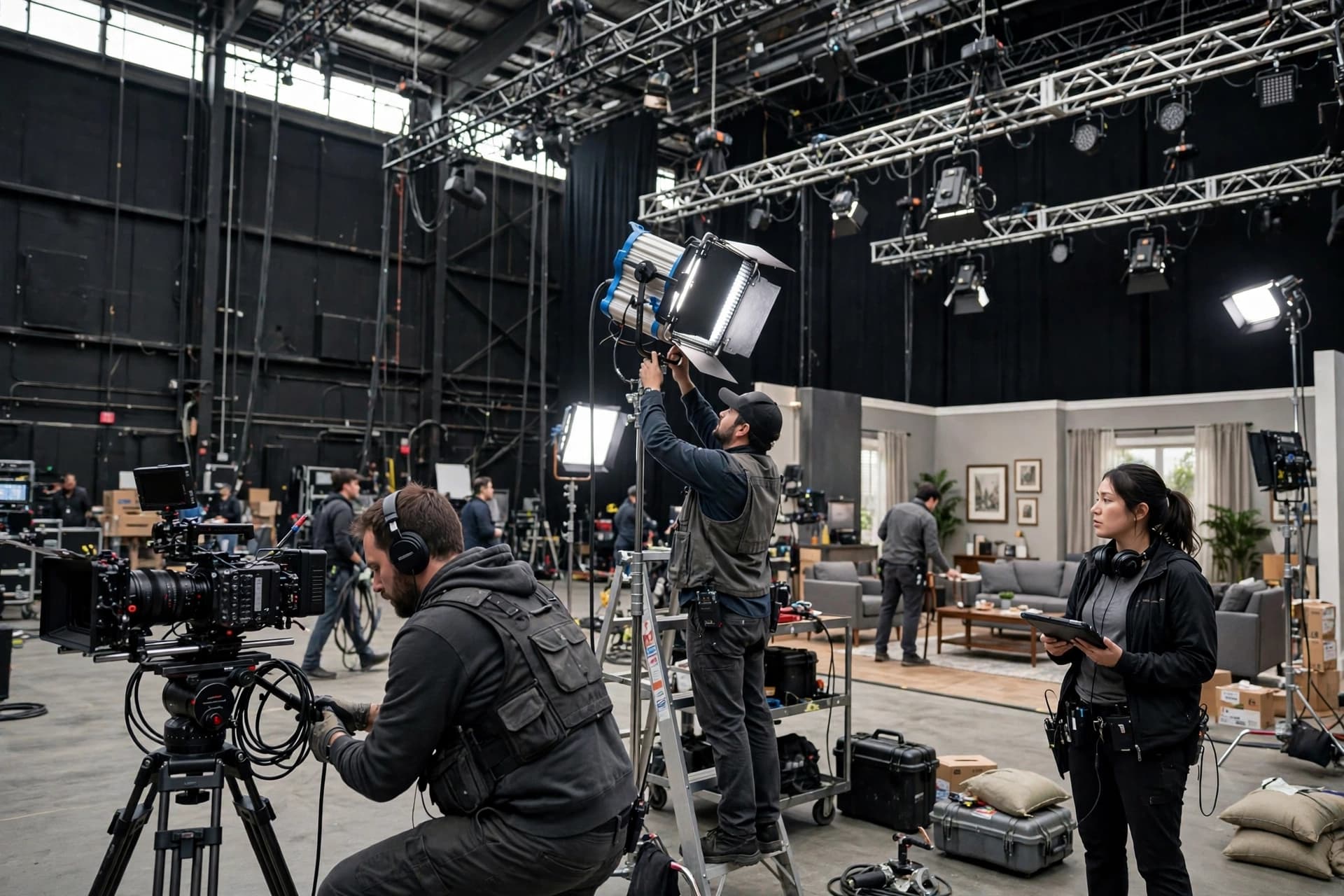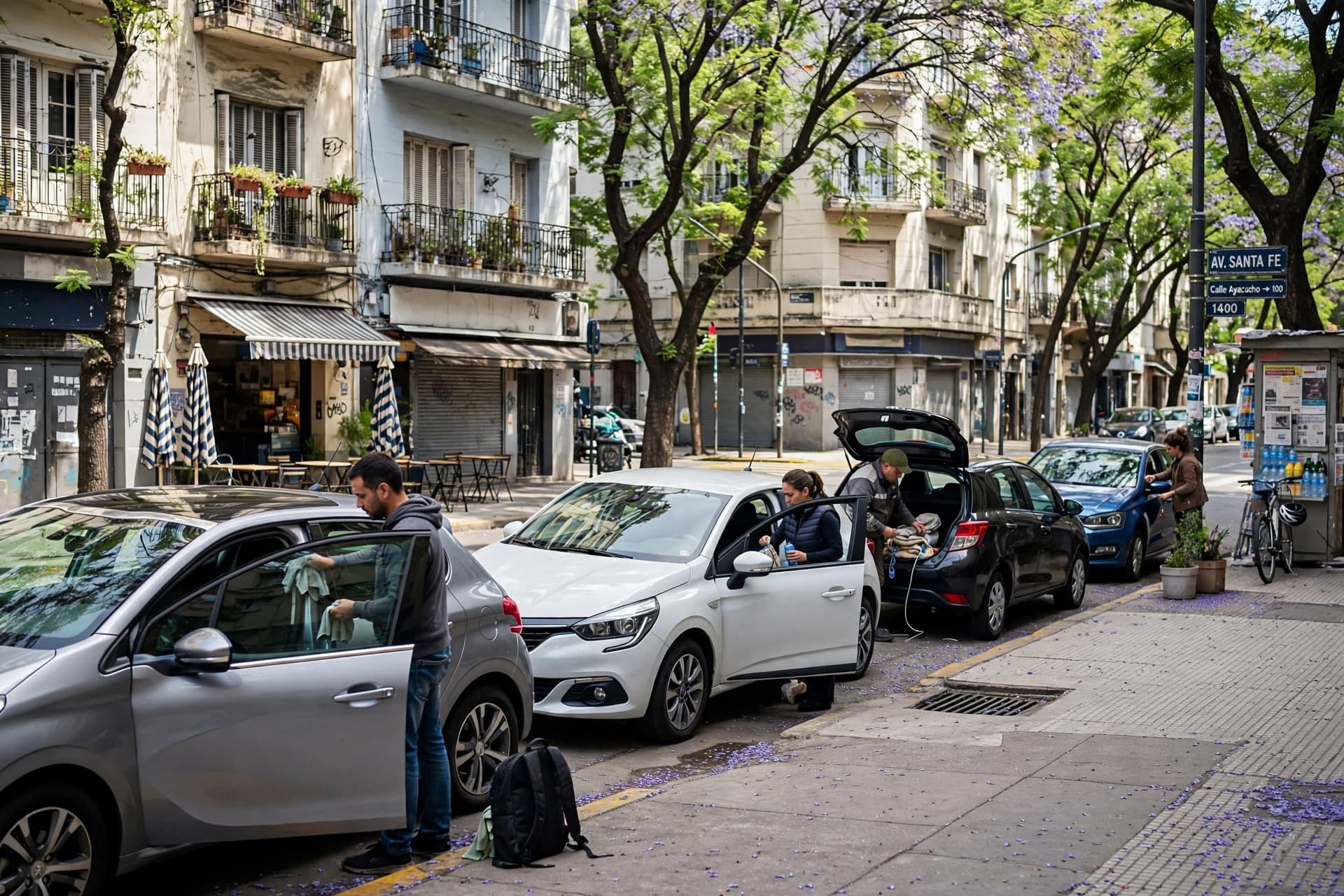
Photographs have always carried a kind of quiet authority. They freeze time, preserving a moment exactly as it was seen, or at least as it was framed. For years, digital tools focused on organizing, enhancing, and resurfacing those still images, helping people remember what had already happened. Now, that boundary is beginning to blur.
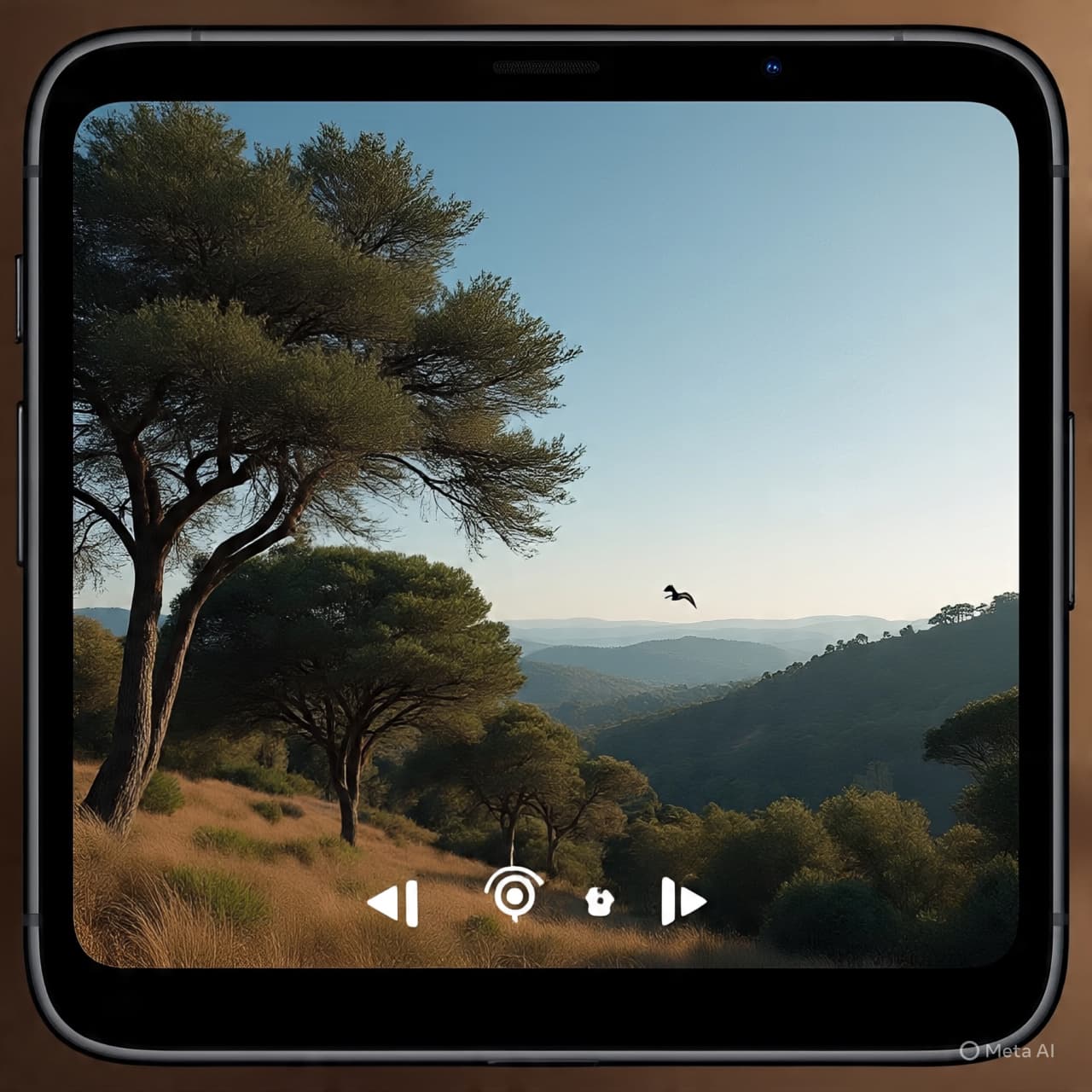
Google Photos has expanded its image-to-video feature, allowing users to add custom text prompts and audio to transform still images into short, animated sequences. The update shifts the experience from automated motion to guided creation, where users can influence not just how an image moves, but how it feels.
At its core, the feature uses generative AI to animate photographs, extending scenes beyond their original edges or introducing subtle motion within them. What changes with this update is control. A user can now describe what they want to see, whether that is a gentle breeze through a landscape, a slow camera pull, or a more cinematic sense of depth. The prompt becomes a suggestion, and the system interprets it into motion.
Audio adds another layer. Sound, whether ambient or musical, has a powerful ability to reshape memory. By pairing movement with audio, Google Photos allows a static image to become something closer to a lived moment. A photo of a beach can now carry the suggestion of waves. A city street can feel awake rather than observed. The image is no longer silent.
This evolution reflects a broader shift in how people interact with personal media. Albums are no longer just archives; they are raw material. Users increasingly expect tools to help them reinterpret their past, not merely store it. By introducing prompts and sound, Google positions memory as something collaborative, shaped by both the original moment and the present imagination.
There is also a notable change in authorship. Earlier AI-powered features emphasized automation, producing results with minimal input. Here, the user is invited back into the process. The outcome depends on how a moment is described, what mood is chosen, and which sounds accompany it. Two people starting from the same photo could arrive at entirely different videos.
The feature remains grounded in restraint. These are short clips, not full reconstructions, and the AI does not attempt to invent complex narratives. Instead, it extends atmosphere. The goal is not to replace video footage, but to offer a new way of experiencing images that were never meant to move.
Still, the implications are significant. As tools like this become more common, the distinction between captured memory and generated interpretation grows softer. A photograph no longer represents only what was there, but also how it is remembered, revisited, and emotionally reframed over time.
Google has emphasized that these videos are clearly marked as AI-generated, maintaining transparency around what is created rather than recorded. That clarity matters, especially as personal media takes on more expressive forms. The value lies not in realism, but in resonance.
In everyday use, the feature is likely to feel small and personal rather than transformative. A favorite photo animated for a message. A memory given motion for a private archive. A quiet experiment in storytelling. Yet taken together, these small shifts suggest a future where personal media is less static, less final.
As images begin to respond to words and sound, they move closer to the way memory itself behaves. Not fixed, not silent, but shaped by emotion, context, and the passage of time. In that space between what was captured and what is imagined, Google Photos is opening a new chapter, one where the album listens as much as it shows.
AI Image Disclaimer Illustrations were generated using AI tools and are conceptual representations rather than real photographs.
Sources Google Google Photos product announcements Technology industry reporting
Published by Banx Network. This article is part of the Banx decentralized media programme, powered by the BXE token on the XRP Ledger.