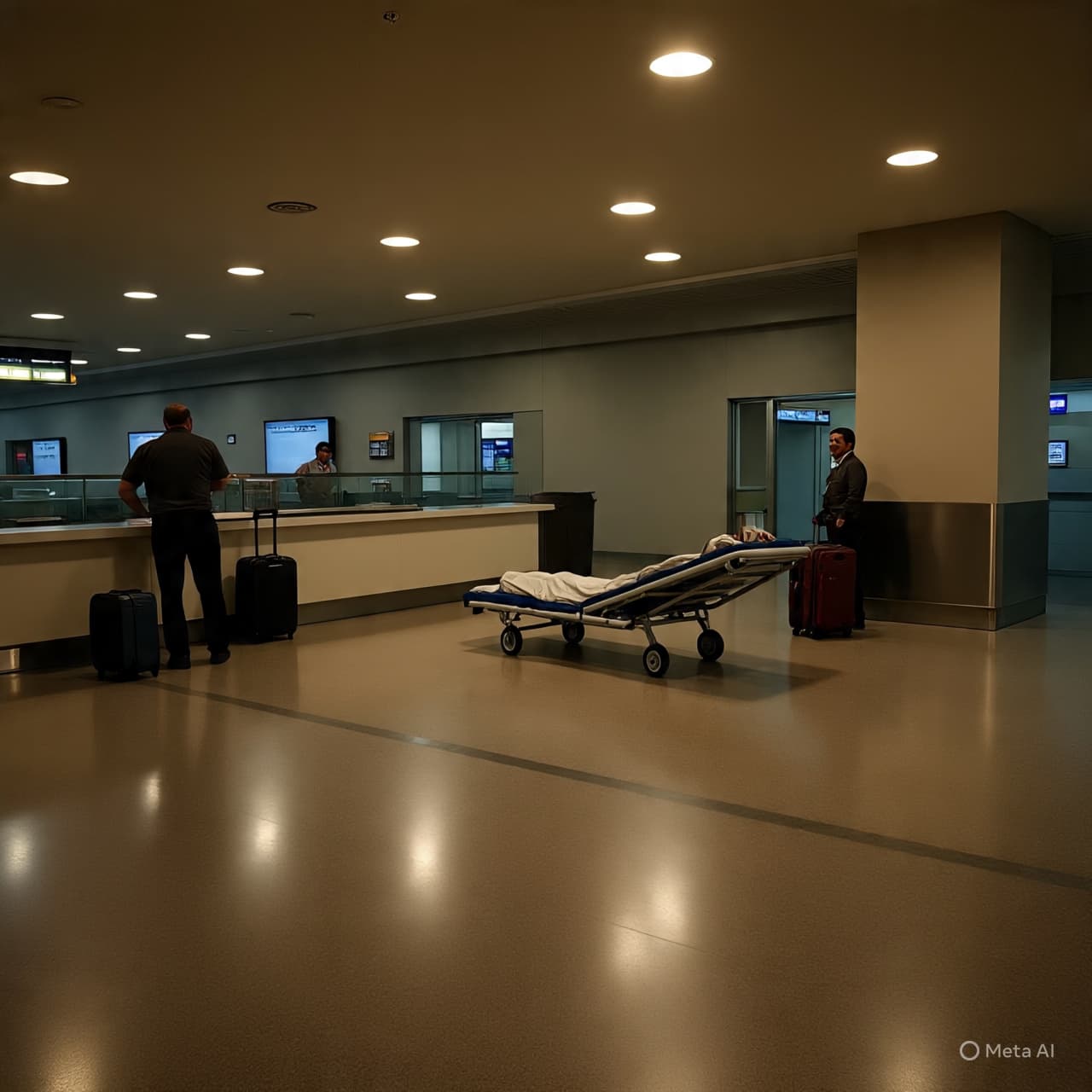
Some stories arrive not with urgency, but with a quiet weight that settles slowly, like dusk over a familiar landscape. They are stories shaped not by a single moment, but by absence — unanswered calls, missing explanations, and the hollow space left when a family realizes too late that something has gone terribly wrong. This is how the story of Randall Gamboa Esquivel reaches beyond borders, asking questions that refuse to fade.
Gamboa Esquivel, a Costa Rican national, was deported from the United States in 2025 by U.S. Immigration and Customs Enforcement while in a vegetative state, according to his family and medical records reviewed by reporters. Once described as healthy and independent, he arrived back in Costa Rica unable to speak, move, or recognize those around him. Weeks later, he died, leaving his family searching for clarity about how his condition deteriorated so profoundly while he was in U.S. custody.
Family members say communication with authorities was fragmented and often absent. For months, they struggled to locate Gamboa after his detention, relying on lawyers and consular inquiries to trace his whereabouts. When information finally surfaced, it came with devastating news: he had suffered severe medical complications, including infections, malnutrition, and neurological damage. By the time he was transported back to Costa Rica by air ambulance, he was non-responsive.
U.S. officials have stated that Gamboa received medical care while detained and that his condition involved mental health concerns. His relatives dispute that account, pointing instead to medical documents that describe a rapid physical decline inconsistent, in their view, with adequate treatment or oversight. They say they were never informed of the seriousness of his condition, nor consulted meaningfully before his deportation.
In Costa Rica, doctors who received Gamboa reportedly described extensive organ damage and neurological impairment. His family recalls the shock of seeing him for the first time after months of uncertainty — a reunion stripped of words, movement, or recognition. What should have been a return home instead became a vigil.
The case has drawn attention from human rights advocates and immigration watchdogs, who argue it underscores longstanding concerns about medical care, transparency, and accountability within immigration detention systems. While ICE maintains that protocols were followed, advocates say the lack of timely communication with family members raises troubling questions about how vulnerable detainees are monitored and protected.
For Gamboa’s relatives, the focus remains less on policy debates than on understanding what happened during the months he was out of reach. They are seeking records, timelines, and explanations — not only to make sense of his final days, but to ensure that others do not disappear into similar silences.
As investigations and inquiries continue, the story rests in an uneasy place between official statements and personal loss. It is a reminder that behind every deportation order lies a human body, subject to fragility, and a family waiting — sometimes without answers — on the other side of a border.
AI Image Disclaimer Graphics are AI-generated and intended for representation rather than literal reality.
Sources The Guardian Reuters Associated Press The Tico Times NBC News
Published by Banx Network. This article is part of the Banx decentralized media programme, powered by the BXE token on the XRP Ledger.