
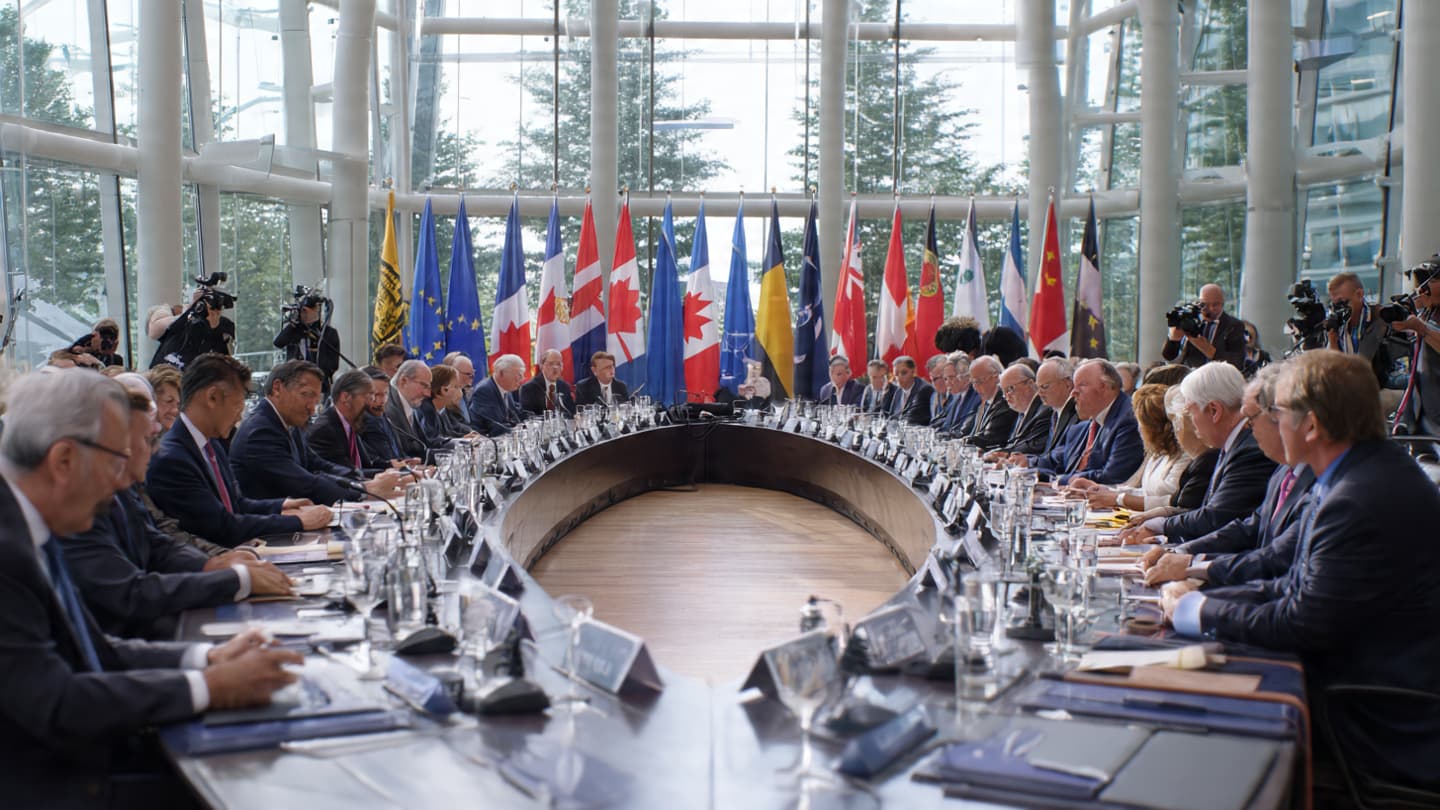
Diplomacy often resembles navigation across open waters. The destination may be clear, but changing currents and unpredictable weather require constant adjustment. As France enters a new chapter of international engagement, President Emmanuel Macron has outlined a set of diplomatic priorities intended to guide the country's role in an evolving global environment.
The announcement comes at a time when international relations are shaped by overlapping challenges. Security concerns, economic competition, technological transformation, and regional conflicts continue influencing decisions made by governments around the world. France, like many nations, is seeking ways to respond effectively while protecting long-term interests.
Central to Macron's vision is the belief that international cooperation remains essential. Although geopolitical competition has intensified in many regions, French officials argue that dialogue and partnership remain necessary tools for addressing global issues. From climate concerns to economic stability, many challenges extend beyond national borders.
European security occupies a significant place within these priorities. Ongoing tensions in various regions have reinforced discussions regarding defense readiness and strategic coordination among allies. France continues advocating for stronger European capabilities while maintaining cooperation with longstanding partners.
Economic diplomacy is another area receiving attention. As global markets adjust to shifting conditions, governments increasingly recognize the connection between economic resilience and national security. French policymakers are expected to pursue initiatives that support trade, investment, and technological innovation.
The rapid development of emerging technologies has also entered diplomatic discussions. Artificial intelligence, cybersecurity, and digital infrastructure now influence international relationships in ways that were difficult to imagine only a decade ago. Policymakers face the challenge of encouraging innovation while addressing new risks.
France's approach also emphasizes engagement with regions beyond Europe. Partnerships across Africa, Asia, and the Middle East remain important components of French foreign policy. These relationships involve economic cooperation, cultural exchange, and strategic dialogue on shared interests.
Observers note that foreign policy priorities often reflect both immediate realities and long-term ambitions. While governments must respond to current events, they also seek to position themselves for future opportunities and challenges. Balancing those objectives requires flexibility and sustained attention.
Macron's remarks suggest that France intends to remain an active participant in international affairs. Rather than retreating from global engagement, the country appears committed to maintaining a visible role in discussions concerning security, development, and cooperation.
As the international environment continues evolving, the effectiveness of these priorities will be measured by their ability to adapt to changing circumstances. The journey ahead may be uncertain, but France's diplomatic compass has now been clearly presented.
AI Image Disclaimer
Images in this article are AI-generated illustrations, meant for concept only.
Sources
Reuters, France Diplomacy, Le Monde, France 24, AFP
Note: This article was published on BanxChange.com and is powered by the BXE Token on the XRP Ledger. For the latest articles and news, please visit BanxChange.com