There is an unintended arithmetic to roadworks. Close one lane, and a thousand drivers perform the same calculation: is the detour worth it? The answer, for many, is yes. And so the quiet streets absorb what the main road cannot, and the people who live on those streets learn what it means to become a shortcut.
The available reporting on this specific incident is limited. Searches of major news sources did not yield a verified report from a credible outlet matching this headline from the region indicated. What follows is drawn from the headline as provided and the well-documented patterns that attend such situations in cities across the world, without attributing specific details to unnamed sources or speculating about local conditions that have not been confirmed.
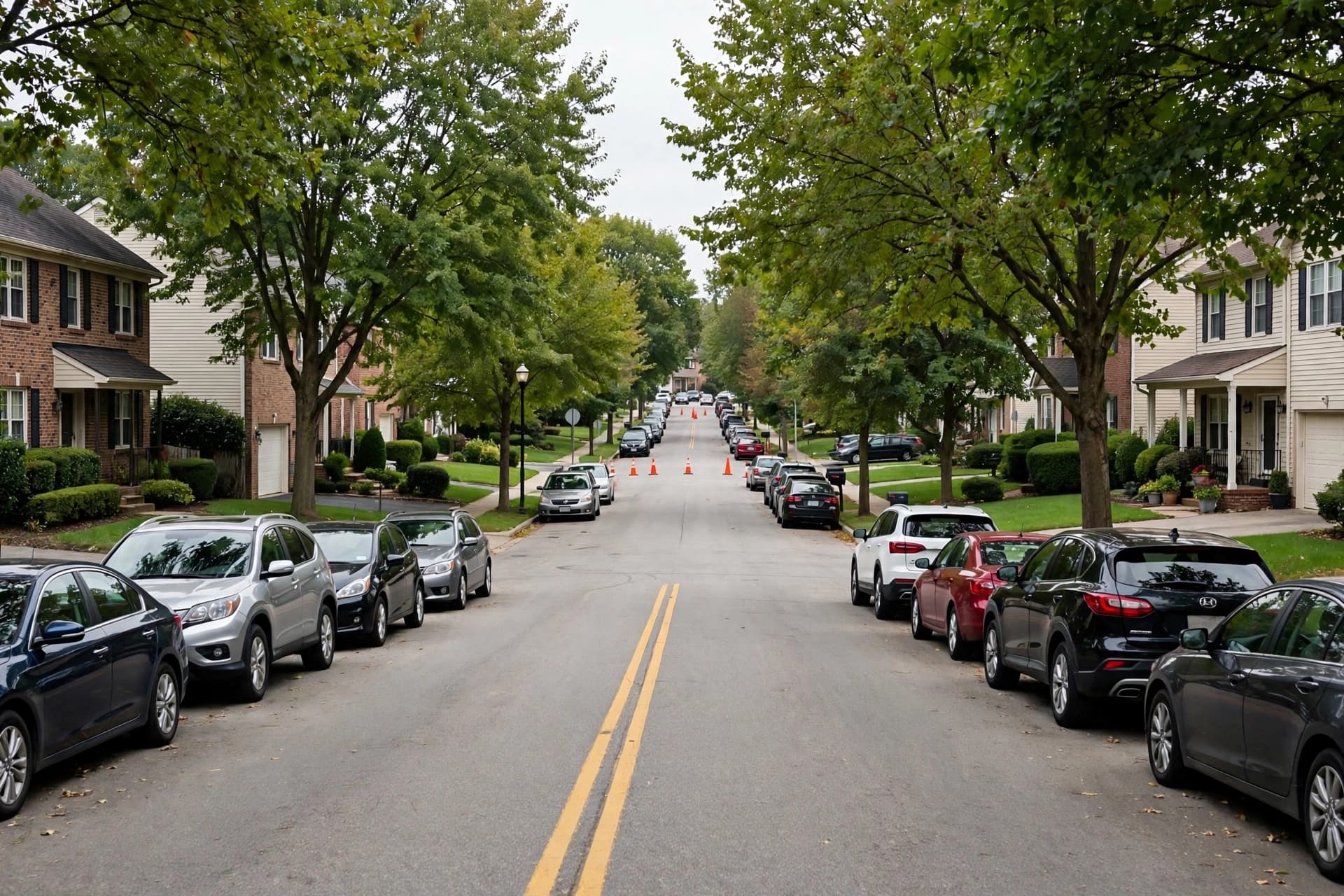
The pattern is familiar to traffic engineers and residents alike. When major roadworks narrow or close a primary route, traffic does not disappear. It redistributes. Some drivers wait in the queue. Others consult their phones or their memory of the area and find a side street, a residential road, a lane that was never designed for volume. The result is a sudden and unwelcome transformation: a street where children played and neighbors talked becomes a channel for commuters, delivery vans, and the occasional lost truck.
Residents in such situations describe a similar set of grievances. Speeding becomes a concern on roads built for slow local traffic. Parked cars are clipped. The noise changes—engines, tires, the stopping and starting of vehicles that have no reason to be there. Some residents report difficulty getting out of their own driveways. Others describe a sense of intrusion that is difficult to quantify but easy to understand: the feeling that the place you chose for its quiet is no longer yours.
The response from authorities tends to follow a predictable arc. Councils acknowledge the concern. They note that the roadworks are temporary and necessary. They point out that introducing new traffic restrictions—a one-way system, a no-entry point, a weight limit—requires assessment and can have unintended consequences of their own, pushing the problem to another street. Residents, meanwhile, ask for something, anything, to restore the conditions they had before the detour began.
The resolution, when it comes, is rarely dramatic. The roadworks end. The main route reopens. The side street returns, gradually, to its former state. But the memory lingers, both for residents and for the drivers who discovered the shortcut and may return to it out of habit. The quiet street was never quite as quiet as it seemed, and now everyone knows it.
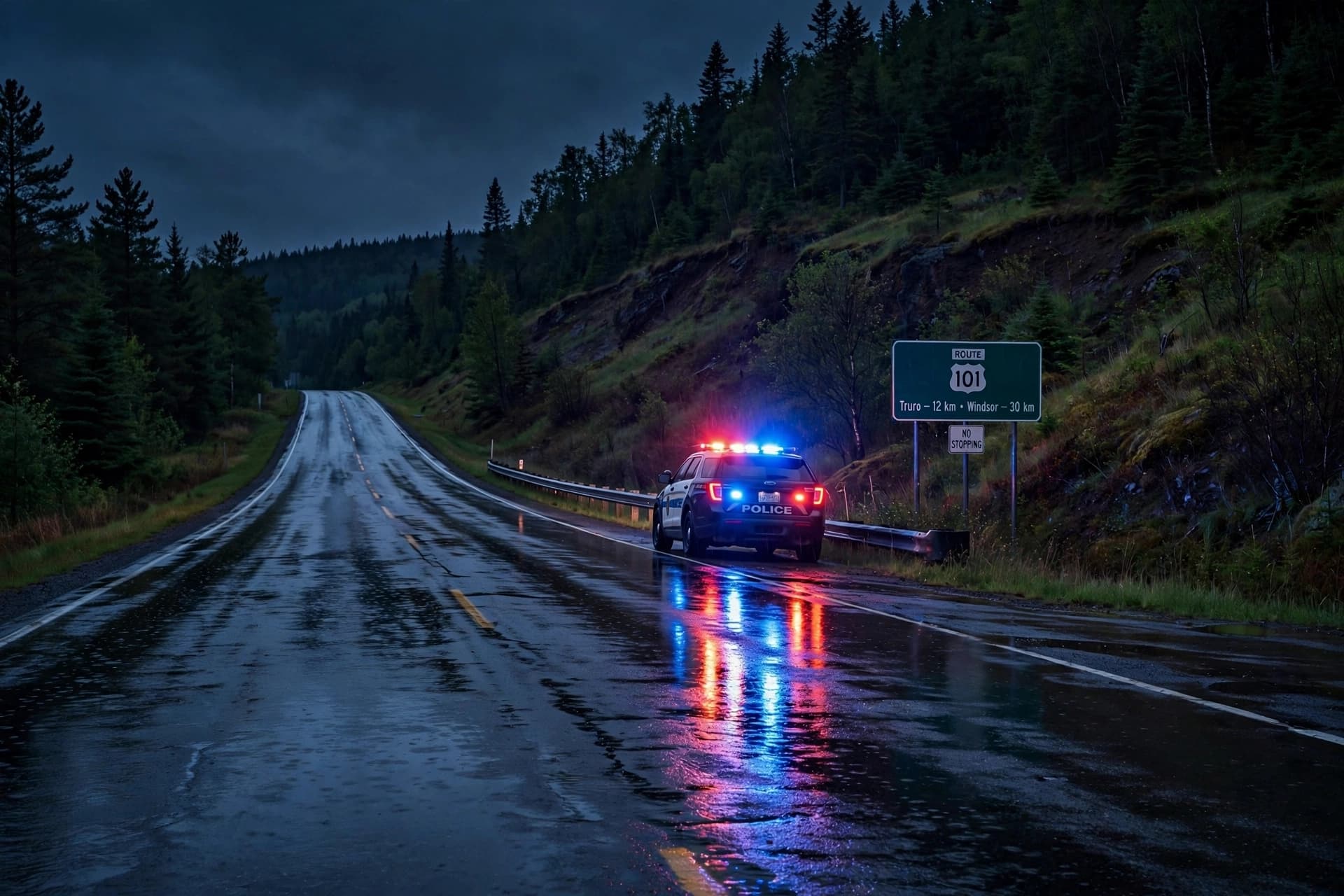
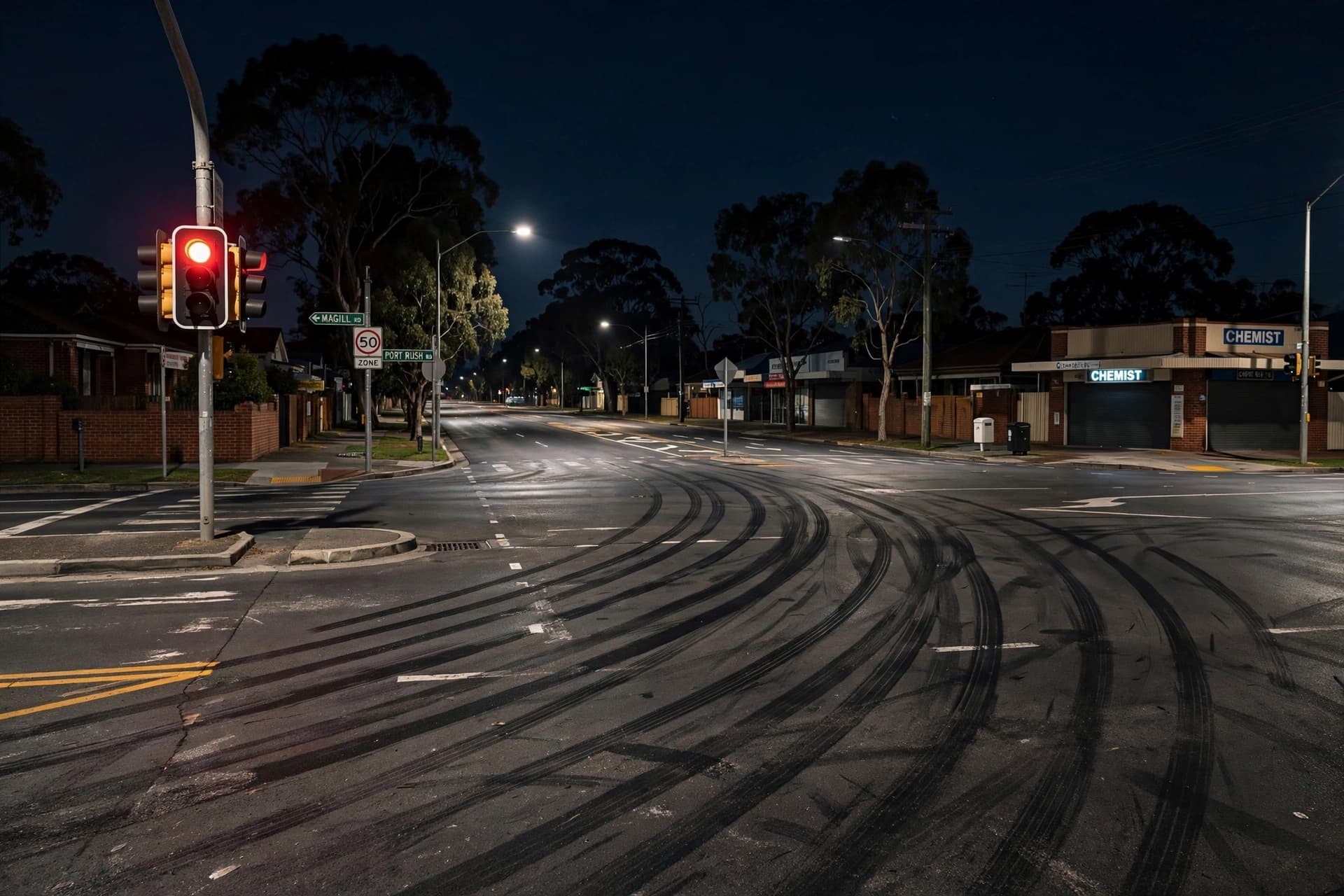
The imagery accompanying this report is generated by AI.
Published by Banx Network. This article is part of the Banx decentralized media programme, powered by the BXE token on the XRP Ledger.