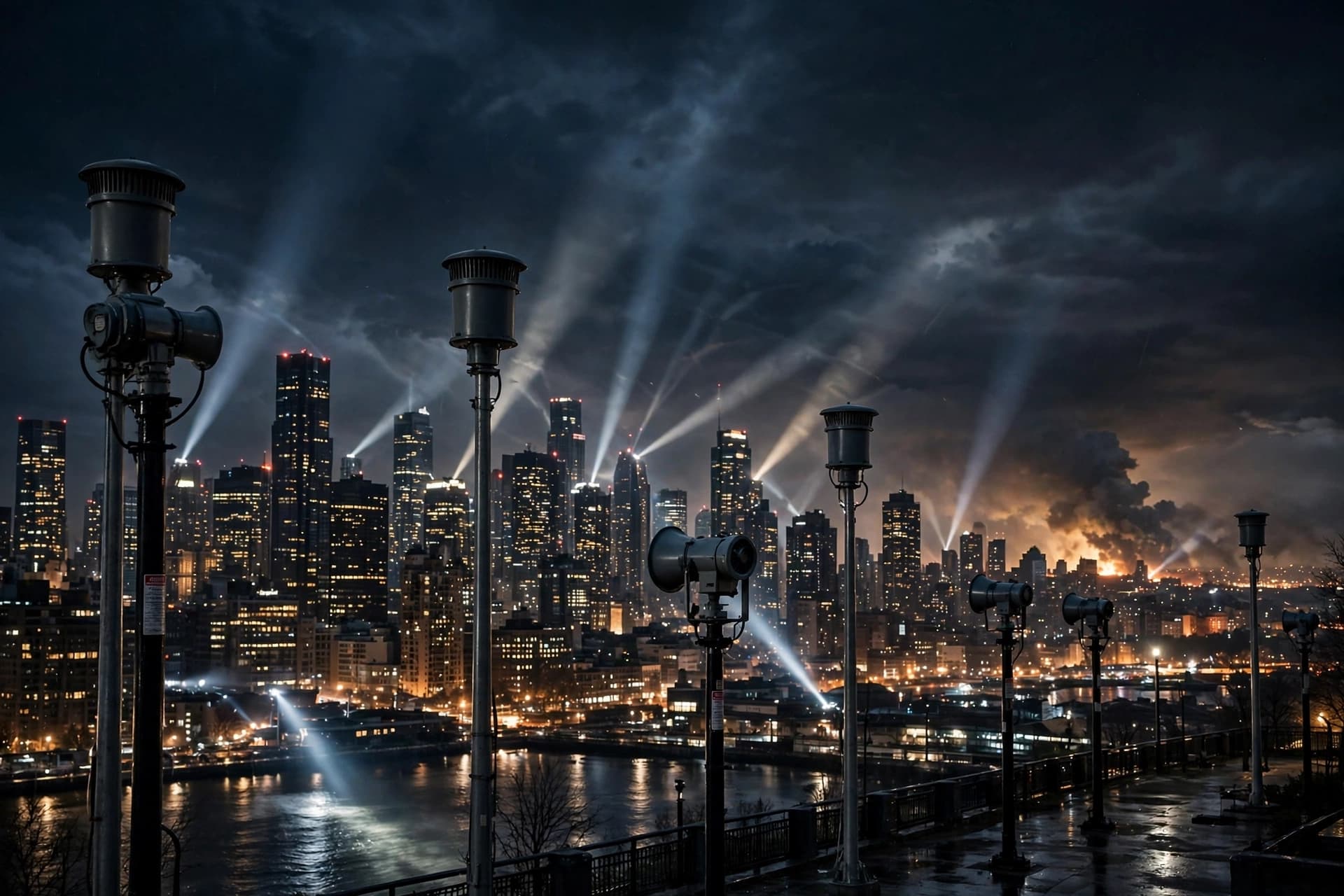
There is a rhythm to the nights in Kyiv now, a rhythm no one asked for and no one can escape. The air raid sirens rise, the city holds its breath, and somewhere in the darkness a missile finds its mark. The patterns repeat, but the grief does not dull.
At least one person was killed when Russian missiles struck the Ukrainian capital on the evening of October 25, 2026. Kyiv Mayor Vitali Klitschko confirmed the death as explosions echoed across the city . The attack was part of a continuing campaign of long-range strikes that has become a grim routine for residents who have learned to measure their lives in the intervals between sirens.
The strike came just days after a particularly devastating barrage earlier in the month. On October 22, Russian forces launched three waves of ballistic missile strikes on Kyiv, killing at least one person and injuring more than 20 others, including children . That assault damaged buildings across six districts of the capital, hitting a medical center, a restaurant, and a monastery among other sites . Ukrainian rescuers worked through the night at the scene of a strike on a hypermarket, the debris still smoldering as morning broke .
Each attack leaves behind a geography of loss that is both public and intensely private. The casualty figures, the damaged buildings, the lists of injured—these are the visible ledger. But there is another ledger, harder to quantify, written in the lives of people who must decide each day whether to open their shops, send their children to school, or simply stay home. The psychological toll of sustained bombardment does not appear in official reports, though its effects are everywhere.
Russia has not publicly commented on the specific strike. The pattern of attacks on Ukrainian cities has continued for years, with periods of relative quiet punctuated by intense barrages. The October strikes have been notable for their use of ballistic missiles, which travel faster and give civilians less time to reach shelter than cruise missiles or drones. Air defense systems intercept many, but not all.
For the residents of Kyiv, the war is not an abstraction or a distant geopolitical contest. It is the sound of explosions at dinner time, the sight of rescue workers sifting through rubble, the knowledge that the next alert could bring the same news again. The city has adapted in ways both remarkable and heartbreaking—underground schools, generators in apartments, a kind of normalized vigilance that no one would have chosen.
The international response has followed familiar patterns: condemnation, calls for accountability, pledges of continued support. Whether those words translate into meaningful change on the ground remains an open question. What is certain is that the people of Kyiv will face another night, and perhaps another alert, and the rhythm will continue.
Image note: The visual accompanying this article is an AI-generated illustration and does not depict actual events or individuals.
Sources: NRK, Ukrinform, Tanjug, Lusa
Published by Banx Network. This article is part of the Banx decentralized media programme, powered by the BXE token on the XRP Ledger.