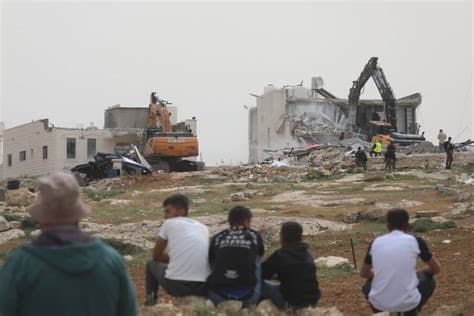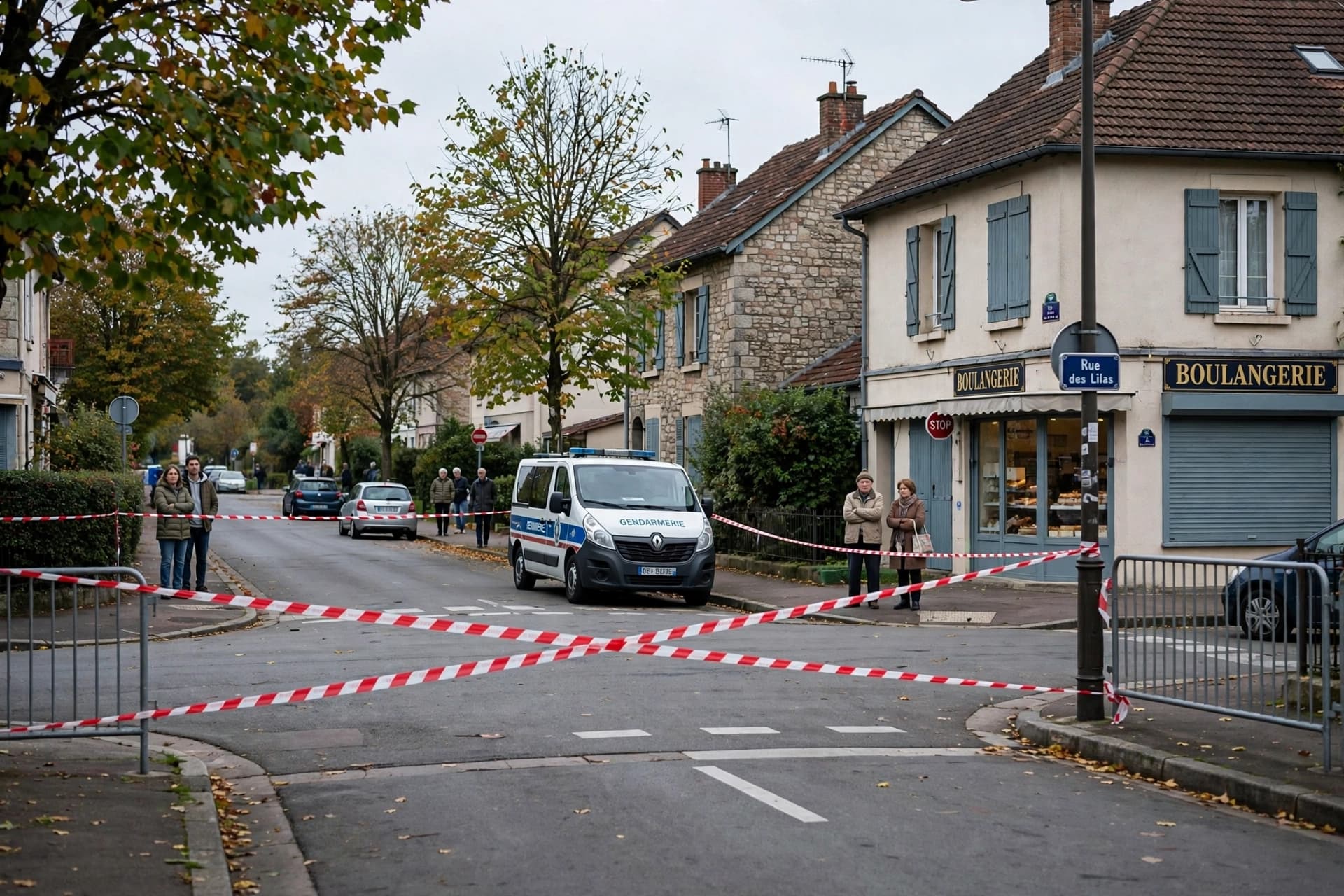
In the late morning hours of October 23, a Friday in the western suburbs of Paris, a man opened fire from a vehicle in the neighboring towns of Trappes and La Verrière. When the shooting stopped, one person was dead and four others were wounded, including a 12-year-old girl who was struck multiple times. The suspect, a 39-year-old man, was arrested later in the nearby town of Coignières. French prosecutors have opened an investigation into murder in connection with a terrorist enterprise.
The sequence of events unfolded over roughly fifteen minutes as the gunman moved through streets that were not chosen for any obvious symbolic significance. The victims, according to the mayor of Trappes, included a person of African origin who was killed and another person of North African origin who was critically wounded. The 12-year-old girl, the mayor said, was shot eight times. The National Anti-Terrorism Prosecutor’s Office has indicated it is examining whether the attack was motivated by the victims’ race, ethnicity, nationality, or religion.
Interior Minister Laurent Nuñez described the weapon as military-grade or at least automatic. Prime Minister Sébastien Lecornu called the situation “very serious” and confirmed that anti-terror prosecutors were monitoring the case. President Emmanuel Macron expressed the nation’s grief and solidarity with the victims and their families.
The timing of the attack has added to a sense of unease in France. It came just one day before a planned nationwide protest over the rising cost of living, following a week of unrest that had already led to curfews in several cities. The government had been bracing for further disturbances; now it must also contend with the question of whether this was an act of targeted violence against a specific community, or something else entirely. The investigation is in its earliest stages, and the motives remain unclear.
What is known is that a child is among the seriously wounded, and a family has lost someone in a manner that no community should have to endure. The mayors of Trappes and La Verrière have moved quickly to establish psychological support centers for residents, a recognition that the trauma of such an event radiates outward beyond the directly affected. The suspect remains in custody as investigators work to determine whether this was an isolated act or part of something larger.
France has walked this road before. The memory of past attacks, including the 2015 Bataclan massacre and the 2020 beheading of teacher Samuel Paty, remains close. Each new incident forces the country to ask again how it balances security with the freedoms it holds dear, and how it protects the vulnerable without fracturing the delicate fabric of its diverse suburbs.
For now, the investigation continues. The National Anti-Terrorism Prosecutor’s Office has taken the lead, and the suspect is being questioned. The people of Trappes and La Verrière are left with the task of tending to the wounded, mourning the dead, and waiting for answers that may take weeks or months to arrive.
---
AI Image Disclaimer: This article includes AI-generated imagery created for illustrative purposes; it does not depict the actual events or individuals involved.
Sources: Reuters, BBC, ERT News, Yonhap News Agency, Radio România
Published by Banx Network. This article is part of the Banx decentralized media programme, powered by the BXE token on the XRP Ledger.