
Key Highlights
- Political Pressure:Renewed discussions on leadership in the UK.
- Public Opinion:Polling influences party strategy and decisions.
- Economic Impact:Political uncertainty affects policymaking and investor confidence.
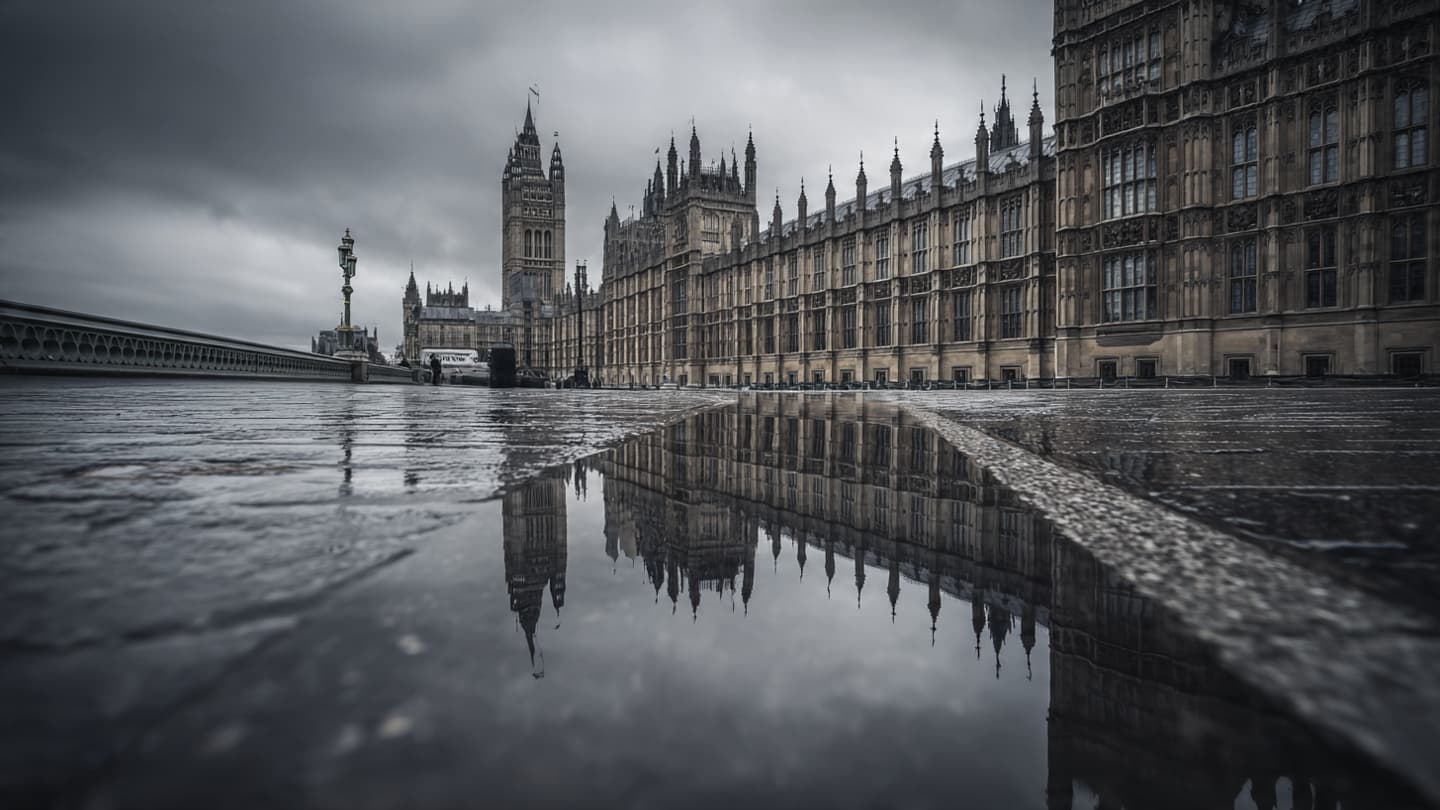
Political dynamics in the United Kingdom are once again in flux, as discussions surrounding leadership intensify within Westminster. The current political landscape is marked by a growing sense of uncertainty, with members of Parliament and party officials grappling with the implications of potential leadership changes. This situation arises amid ongoing debates about the future direction of government and party strategy, reflecting a broader trend of instability that has characterized UK politics in recent years.
Recent reports indicate that the pressure on Britain's political leadership is mounting, driven by internal debates about electoral prospects and public sentiment. Political analysts suggest that such leadership questions often arise during periods of declining public support or when parties reassess their strategic priorities. As the government navigates these turbulent waters, the implications for both domestic policy and party cohesion are significant.
Polling data plays a crucial role in shaping the discussions within political circles. While opinion polls are snapshots rather than definitive predictions, they can heavily influence strategic decisions and leadership calculations. As parties evaluate their standing with the electorate, the results of these polls often lead to urgent discussions about potential changes in leadership or strategy. The current political climate, characterized by fluctuating public support, has made these discussions more pressing than ever.
The United Kingdom has witnessed a series of leadership changes in recent years, contributing to a climate of uncertainty. Key issues such as economic performance, public services, and international relations continue to dominate public discourse, further complicating the political landscape. Observers note that this uncertainty can have far-reaching effects, not only on domestic policymaking but also on investor confidence in the UK economy.
Despite the challenges posed by political uncertainty, government representatives have reiterated their commitment to maintaining policy stability. They emphasize that legislative priorities will continue, regardless of the internal discussions surrounding leadership. This commitment is crucial for ensuring continuity in governance, especially during times of transition.
As opposition parties prepare for future electoral contests, they are keenly aware of the shifting dynamics within the ruling party. The potential for leadership changes could reshape the political landscape, prompting opposition leaders to strategize accordingly. For now, the situation remains fluid, with developments in Westminster likely to attract close attention from both domestic and international observers.
In conclusion, the current political climate in the UK is marked by uncertainty as discussions about leadership intensify. Whether these pressures will lead to significant changes in leadership or a consolidation of power remains to be seen, but the implications for the future of UK politics are profound.
Published by Banx Network. This article is part of the Banx decentralized media programme, powered by the BXE token on the XRP Ledger.



