
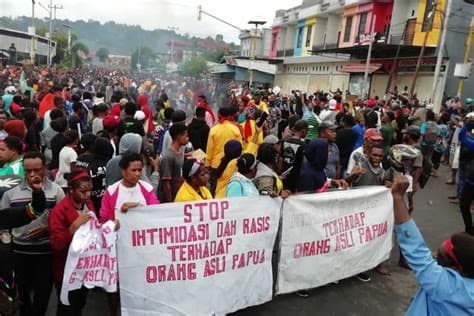
Key Highlights
- West Papuan leaders appeal to the Netherlands to stop arms exports to Indonesia.
- The call is based on concerns over human rights violations in West Papua.
- Activists argue military support undermines self-determination efforts.
West Papuan representatives have made a significant appeal to the Dutch government, urging it to cease arms exports to Indonesia. This request is rooted in the belief that military support from the Netherlands contributes to ongoing human rights violations and repression faced by the West Papuan people. The leaders argue that the Netherlands, having historical ties to the region, has a moral obligation to reassess its diplomatic relations with Indonesia in light of these concerns.
The conflict in West Papua has persisted for decades, with independence movements striving for recognition and autonomy from Indonesian authorities. Activists assert that the continued supply of military equipment not only undermines their quest for self-determination but also exacerbates violence against civilians. Reports of human rights abuses, including arbitrary arrests and extrajudicial killings, have been documented, raising alarms among international human rights organizations.
In their appeal, West Papuan leaders emphasized that supporting Indonesia militarily contradicts the Netherlands' commitments to human rights and international law. They are calling for a shift in focus from military cooperation to humanitarian assistance and diplomatic dialogue. This shift is seen as essential for fostering a peaceful resolution to the ongoing conflict and honoring the aspirations of the West Papuan people.
As the situation in West Papua remains critical, the call for the Netherlands to reassess its arms trade policies reflects a broader desire for justice and accountability in the region. The international community is closely monitoring this dialogue, as it could have significant implications for both local and regional dynamics. The West Papuan leadership hopes that their appeal will resonate with Dutch policymakers and lead to a more humane approach to international relations.
The urgency of this matter is underscored by the deteriorating conditions in West Papua, where calls for independence are met with increasing military presence and repression. The West Papuan leaders are not only advocating for their rights but also appealing to the conscience of the international community to support their struggle for justice and self-determination.
In conclusion, the West Papuan leaders' appeal to the Netherlands to halt arms sales to Indonesia is a critical moment in the ongoing struggle for human rights and autonomy in the region. The outcome of this appeal could influence future diplomatic relations and the overall stability of West Papua.
Published by Banx Network. This article is part of the Banx decentralized media programme, powered by the BXE token on the XRP Ledger.



