
Key Highlights
- Iran has proposed a 10-point plan aimed at stabilizing West Asia.
- The plan comes as a deadline set by Trump approaches, focusing on the Strait of Hormuz.
- Skepticism remains among regional players regarding Iran's intentions.
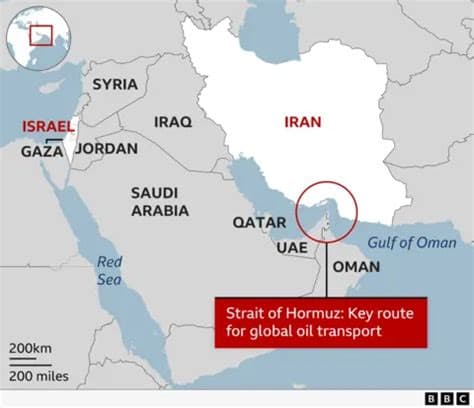
As conflicts in West Asia escalate, Iran has put forth a detailed 10-point plan designed to foster stability and address pressing security concerns in the region. This proposal emerges as the deadline established by former President Donald Trump approaches, particularly concerning the strategically vital Strait of Hormuz, which serves as a critical passage for global oil shipments.
The core of Iran's 10-point plan emphasizes the importance of diplomatic engagement and aims to reduce hostilities among neighboring nations. Key elements of the proposal include calls for non-aggression pacts, collaborative security measures, and initiatives to promote economic cooperation within the Gulf region. Iranian officials assert that the plan is intended to dismantle existing tensions and prevent military escalations that could jeopardize the stability of the Middle East.
Despite the comprehensive nature of the proposal, skepticism persists among regional players. Critics point to Iran's previous actions and rhetoric, which some perceive as provocative, raising doubts about the sincerity of its intentions. The historical context of Iran's relationships with its neighbors adds layers of complexity to the situation, as trust remains a significant barrier to effective dialogue.
As the deadline approaches, international observers are closely monitoring the developments surrounding Iran's plan. Analysts suggest that the success of this proposal hinges on the willingness of other nations, particularly the United States and its allies, to engage in meaningful dialogue and consider Iran's concerns seriously. The geopolitical dynamics at play are intricate, with various stakeholders weighing their options in light of the proposed plan.
The Strait of Hormuz continues to be a focal point of strategic importance, with any developments in this area likely to significantly influence global oil markets and security arrangements. The potential for conflict looms large, as both sides evaluate their positions and the implications of Iran's proposal. The future of the region hangs in the balance, with the international community keenly aware of the stakes involved.
In conclusion, Iran's 10-point plan represents a significant diplomatic effort amid rising tensions in West Asia. However, the effectiveness of this initiative will ultimately depend on the responses from other nations and the broader geopolitical landscape.
Published by Banx Network. This article is part of the Banx decentralized media programme, powered by the BXE token on the XRP Ledger.



