There was a time when traveling across landscapes meant encountering difference at every turn. New birds at dawn, unfamiliar insects in the grass, plants shaped by local weather and long memory. Today, that sense of ecological surprise is fading. Across continents, the same species are appearing again and again, while others retreat into silence. Scientists have begun to give this shift a name: the Homogenocene.
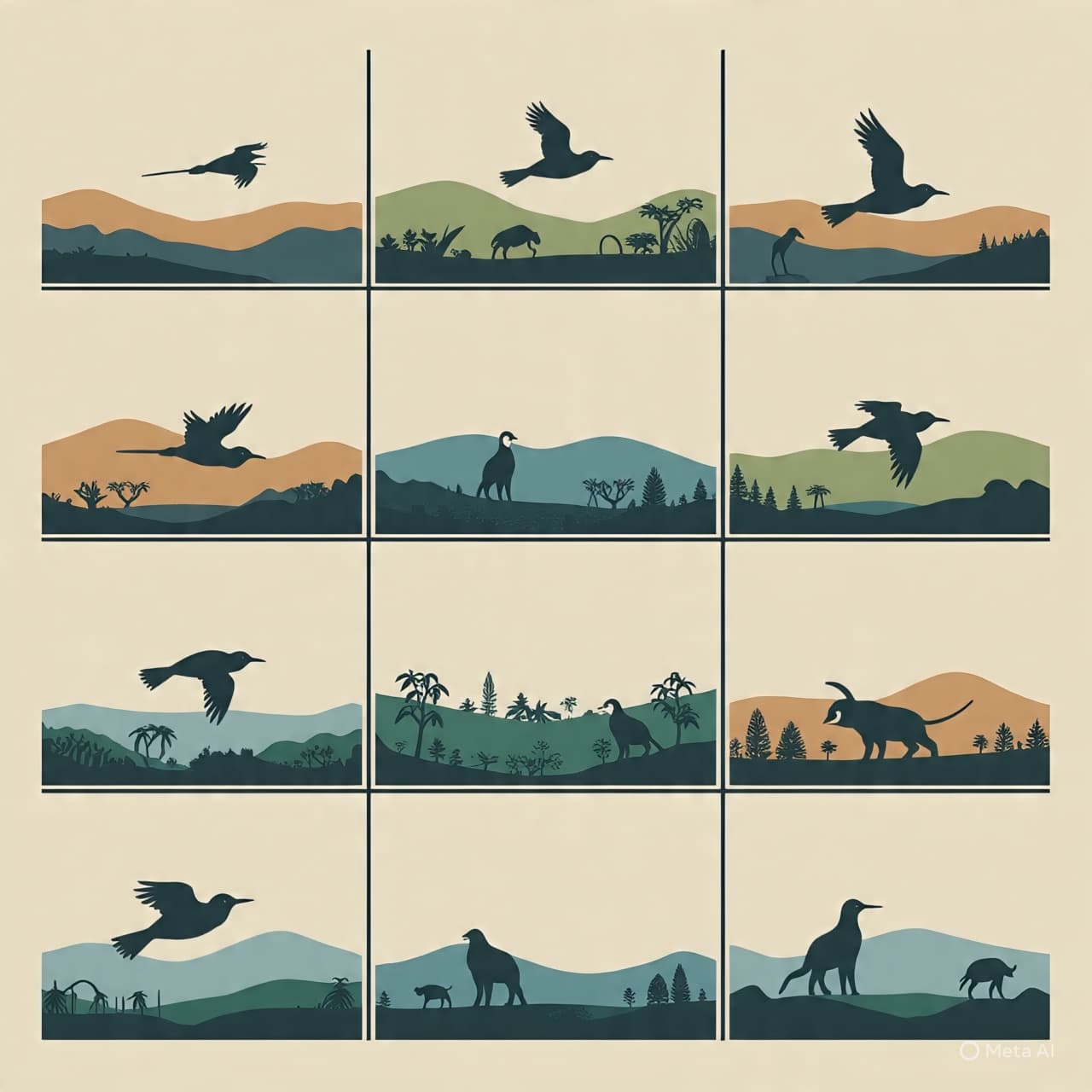
The term captures a growing reality of the modern age. As humans move, build, trade, and transform land, wildlife communities are becoming more alike. Generalist species—those that tolerate disturbance, adapt quickly, and thrive alongside people—are spreading widely. Specialists, finely tuned to specific habitats, are disappearing.
Urbanization plays a central role. Cities replace complex ecosystems with simplified environments that favor a narrow set of survivors. Pigeons, rats, crows, raccoons, and certain insects flourish in these altered spaces, while sensitive species vanish. The result is not emptiness, but repetition. Different cities, different countries, the same ecological cast.
Global trade accelerates the process. Ships, planes, and cargo containers carry organisms far beyond their native ranges. Some fail to establish, but others succeed too well, outcompeting local species and reshaping ecosystems. Invasive plants and animals often spread with quiet efficiency, altering food webs and reducing regional distinctiveness.
Climate change adds another layer of pressure. As temperatures rise and weather patterns shift, species migrate toward conditions they can tolerate. Those unable to move or adapt fast enough fall behind. Over time, resilient species expand across widening territories, while unique local populations fragment or disappear.
What makes the Homogenocene especially troubling is that biodiversity loss does not always look dramatic. Ecosystems may appear full, even lively, but their complexity has thinned. Genetic diversity shrinks. Ecological roles narrow. The resilience that once came from variety gives way to fragility disguised as abundance.
This sameness carries consequences beyond aesthetics. Diverse ecosystems buffer against disease, climate extremes, and collapse. When diversity declines, so does stability. A world filled with fewer kinds of life is a world more vulnerable to shocks it cannot absorb.
The Homogenocene is not a future scenario; it is already unfolding. Yet it is also uneven, shaped by policy choices, land management, and conservation priorities. Protecting habitats, limiting invasive species, and restoring ecological complexity can slow the drift toward sameness.
In naming this age, scientists are not simply describing loss. They are offering a warning. The planet is still alive, still populated, still moving—but it is beginning to speak in fewer voices. Whether the Homogenocene becomes a brief chapter or a lasting era depends on how much difference humanity is willing to protect.
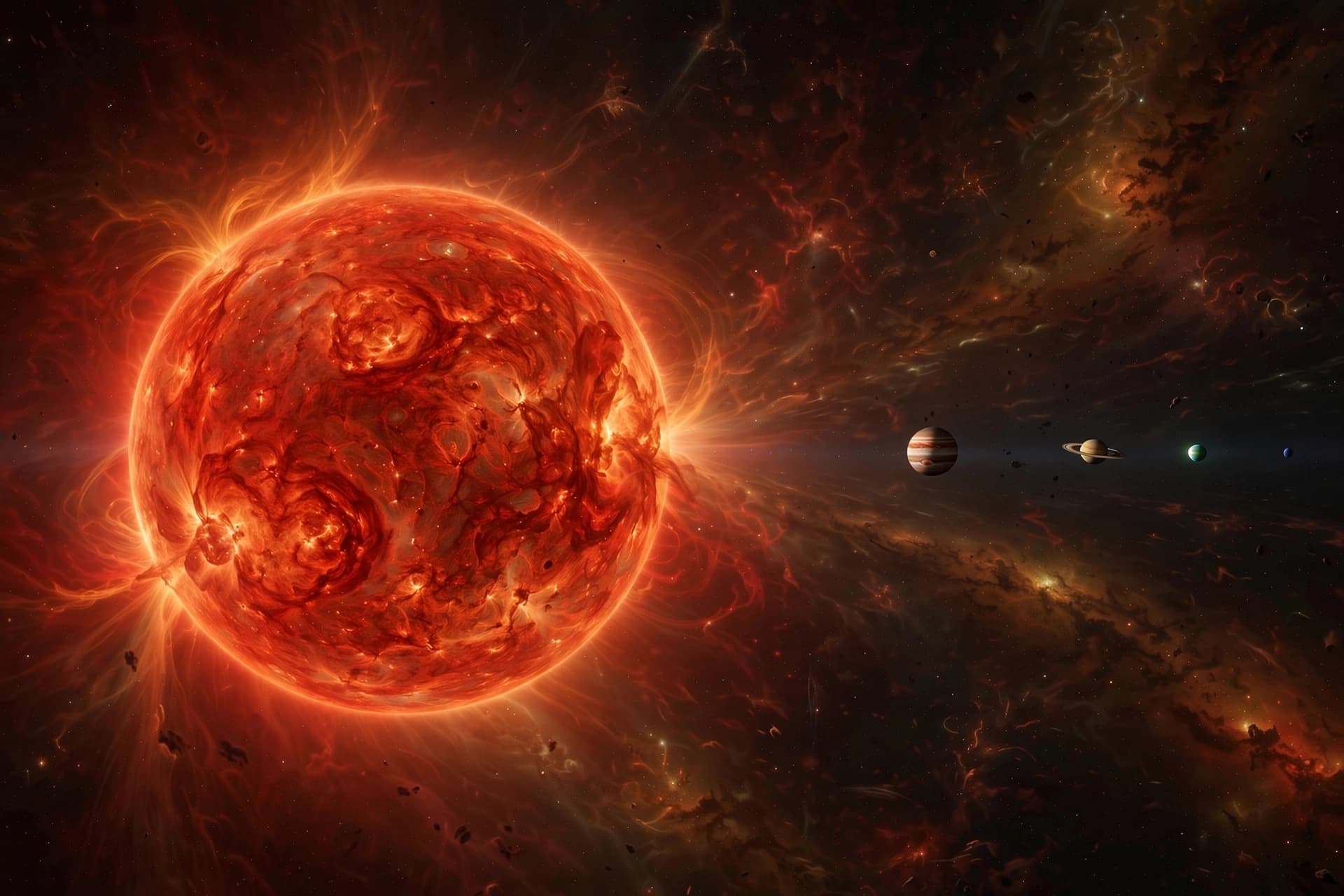
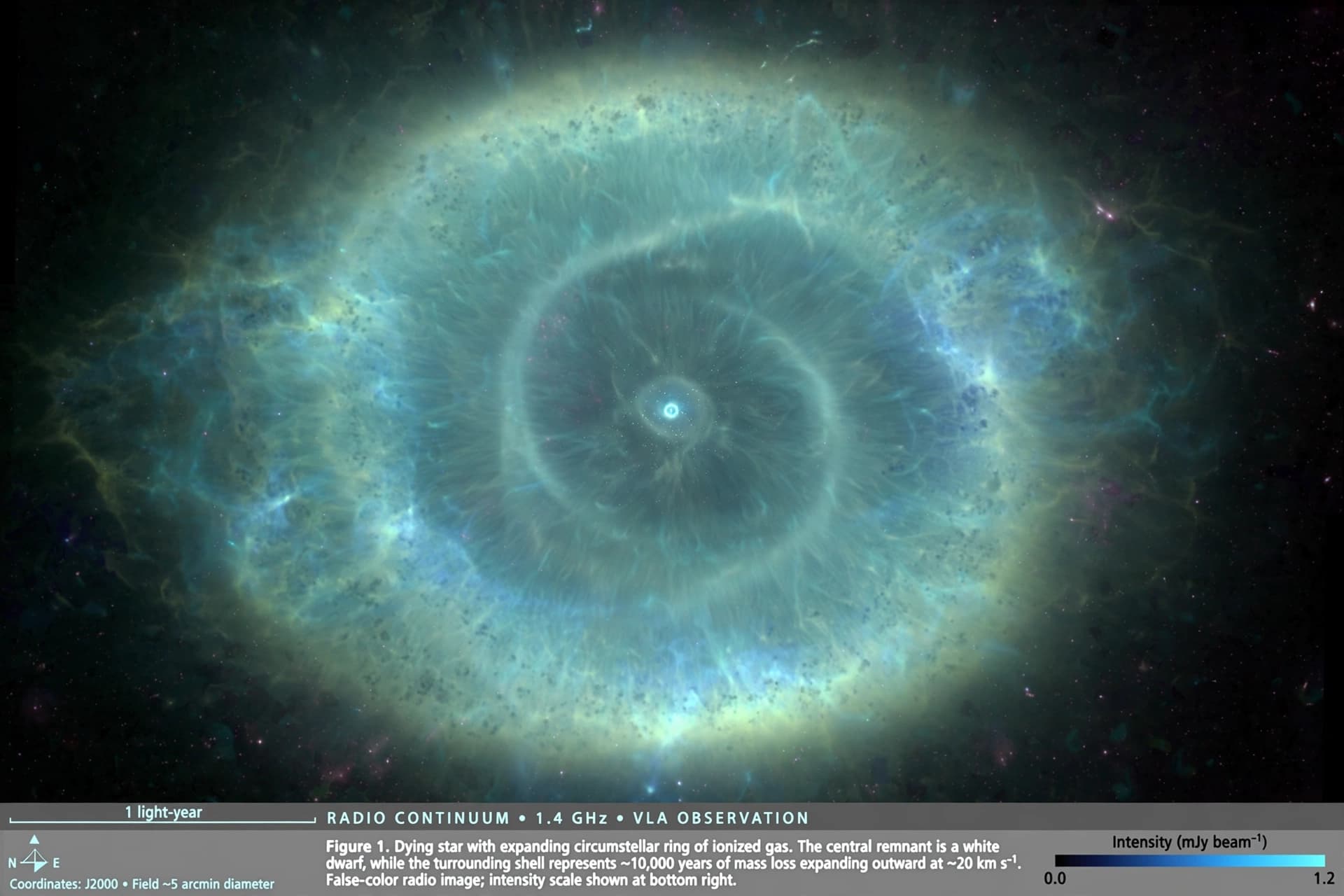
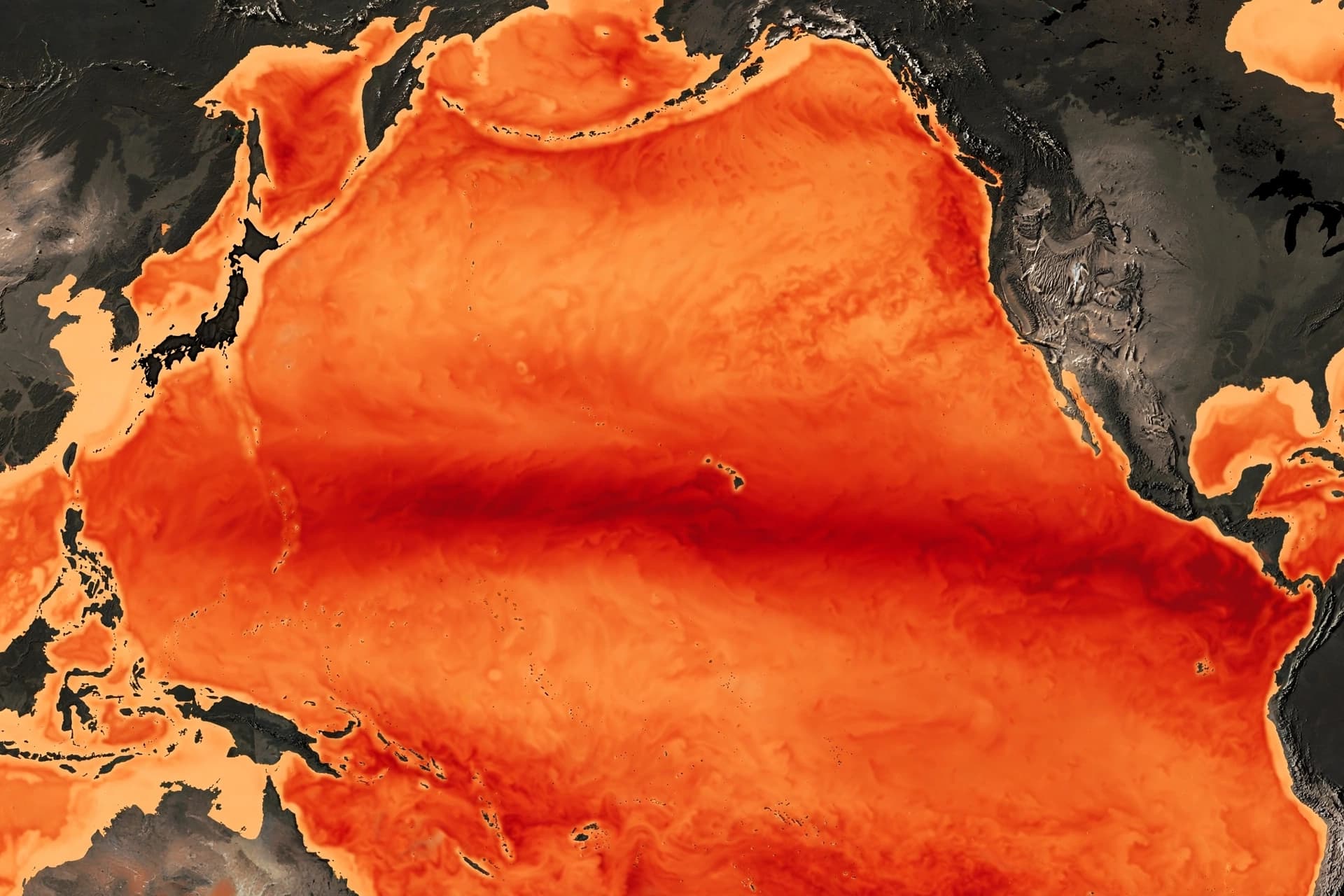
AI Image Disclaimer Visuals are AI-generated and serve as conceptual representations.
Sources Nature Ecology & Evolution Science World Wildlife Fund International Union for Conservation of Nature United Nations Environment Programme
Published by Banx Network. This article is part of the Banx decentralized media programme, powered by the BXE token on the XRP Ledger.