Key Highlights
- Date:January 21, 2026, marked a significant market rebound.
- U.S. markets saw a rise, with the S&P 500 up 1.2%.
- Global sentiment remained mixed, with varying performances across regions.
On January 21, 2026, global financial markets experienced a notable shift, as traders found a renewed sense of balance following a turbulent previous day. The market's mood transitioned from caution to optimism, driven by a combination of geopolitical developments and economic signals that suggested a more stable outlook. Investors were particularly focused on the implications of recent policy changes that eased tariff concerns, which had previously rattled market sentiment.
In the early hours of trading, major U.S. indexes opened with a sense of hesitation, reflecting the uncertainty that had characterized the previous day's sharp declines. The markets had reacted strongly to escalating geopolitical tensions, particularly related to tariff threats, which had dampened investor confidence. However, as the day progressed, a more optimistic tone emerged, akin to the sun breaking through clouds after a storm.
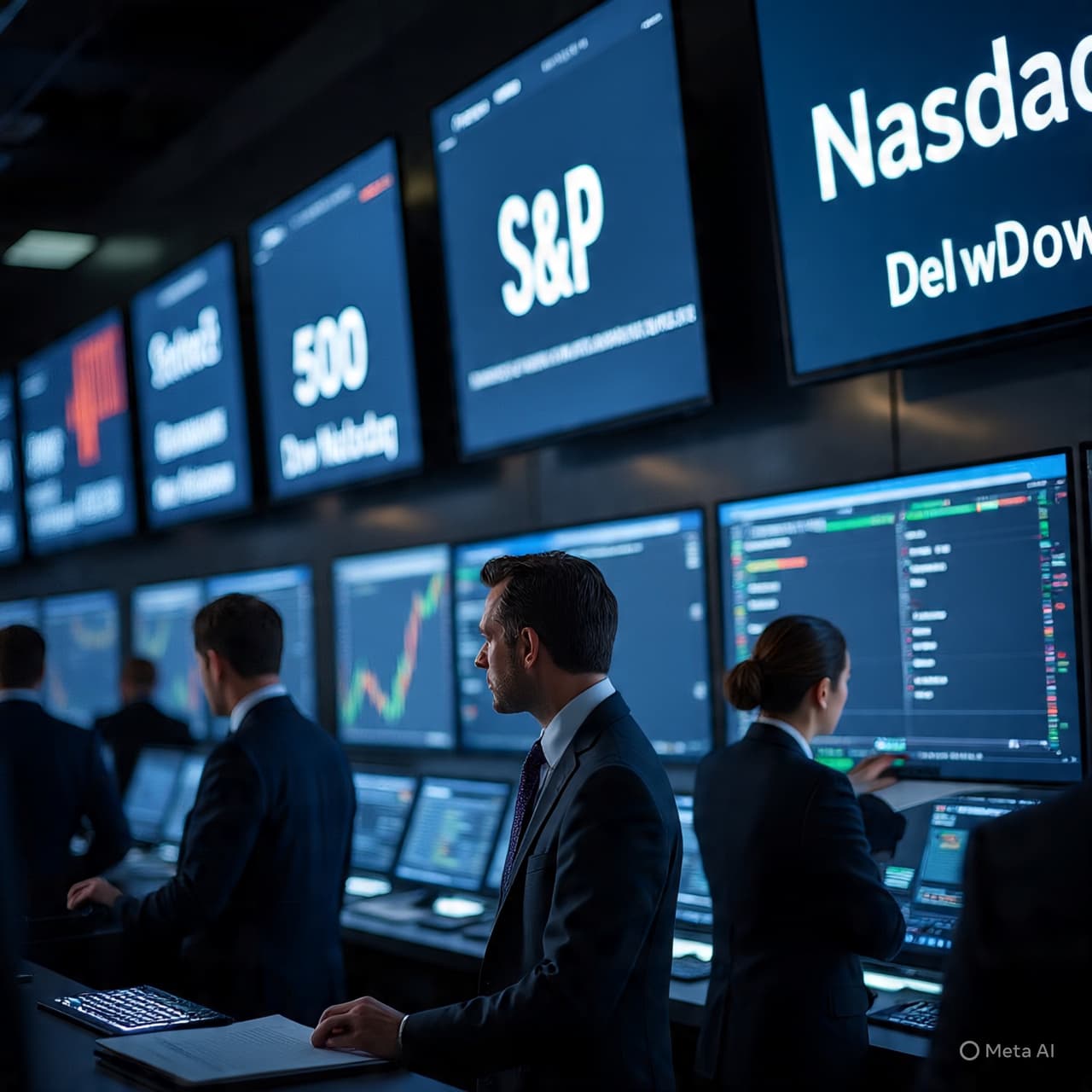
Wall Street led the charge in the recovery, with the S&P 500 gaining approximately 1.2% and the Dow Jones Industrial Average surging nearly 600 points. The Nasdaq also joined the upward trend, indicating a collective reassessment among investors that geopolitical risks may have peaked. This shift in sentiment was bolstered by the belief that underlying economic fundamentals remained robust, providing a solid foundation for market recovery.
The rebound was not confined to large-cap stocks; smaller companies also benefited from the renewed optimism. The Russell 2000 index, which tracks smaller firms, posted gains, signaling that the positive sentiment was widespread across the market. Additionally, bond markets reacted to the shift, with yields easing as traders moved away from defensive positions that had characterized the previous trading sessions.
In contrast, Asian markets displayed a more mixed sentiment. Indian markets, for instance, experienced a slight decline, with the Nifty50 and BSE Sensex closing lower. This retreat was influenced by global cues and ongoing uncertainty among foreign investors, highlighting the divergent paths of regional markets. While U.S. equities appeared to stabilize, global markets continued to grapple with their own unique pressures and risks.
Local markets also exhibited their own dynamics. Indonesian stocks opened with modest gains but settled into cautious trading as investors weighed global influences against domestic monetary policy decisions. This behavior underscored the complexity of market reactions, where local and global factors intertwine.
As the trading session concluded, many traders felt a sense of balance had been restored. The day was characterized not by dramatic reversals but by a measured approach to market movements. After a period of volatility driven by headlines, the activity on January 21 served as a reminder that markets are influenced by a blend of context, expectations, and data, rather than solely by immediate news events.
Published by Banx Network. This article is part of the Banx decentralized media programme, powered by the BXE token on the XRP Ledger.