In the rolling hills and coastal plains of Australia’s South East, where agriculture is deeply intertwined with the rhythms of the weather, a new warning has been issued for sheep graziers. The Bureau of Meteorology has alerted farmers in the region to expect conditions that could pose significant risks to livestock, particularly newborn lambs and vulnerable ewes. Such warnings are a critical part of rural life, helping producers prepare for adverse weather events.
The specific hazards cited in the warning typically include cold temperatures, heavy rain, and strong winds. These elements combine to create a high risk of hypothermia and exposure for sheep, especially during lambing season when animals are most susceptible. Wet wool loses its insulating properties, leaving sheep unable to regulate their body temperature effectively. For graziers, this means increased mortality rates and financial loss if precautions are not taken.
Local authorities advise farmers to monitor weather updates closely and take proactive measures. This may include moving stock to sheltered paddocks, providing additional feed to maintain energy levels, and ensuring that windbreaks are intact. In some cases, delaying lambing activities or bringing animals into sheds may be necessary. The goal is to minimize exposure to the harshest conditions and protect the health of the flock.
The South East forecast district, which includes parts of Tasmania and potentially southern Victoria depending on the specific BOM region definition, is known for its variable climate. Sudden cold fronts can sweep in from the Southern Ocean, bringing rapid drops in temperature and intense rainfall. These weather patterns are a natural part of the region’s environment but require constant vigilance from those who work the land.
Community networks play a vital role in disseminating information and support. Neighbors often check on each other, sharing resources and advice during severe weather events. Local agricultural groups may also issue additional guidance tailored to specific local conditions. This sense of shared responsibility helps build resilience in the face of environmental challenges.
For the Bureau of Meteorology, issuing these warnings is part of a broader effort to safeguard rural livelihoods. By providing timely and accurate forecasts, they enable farmers to make informed decisions. The collaboration between meteorologists, emergency services, and the agricultural community is essential for mitigating the impacts of extreme weather.
As the warning remains in effect, graziers are urged to stay alert and prepared. The well-being of their livestock depends on their ability to respond quickly to changing conditions. In the rugged landscape of the South East, weather is not just a backdrop but a central character in the story of farming, demanding respect and readiness from all who call it home.
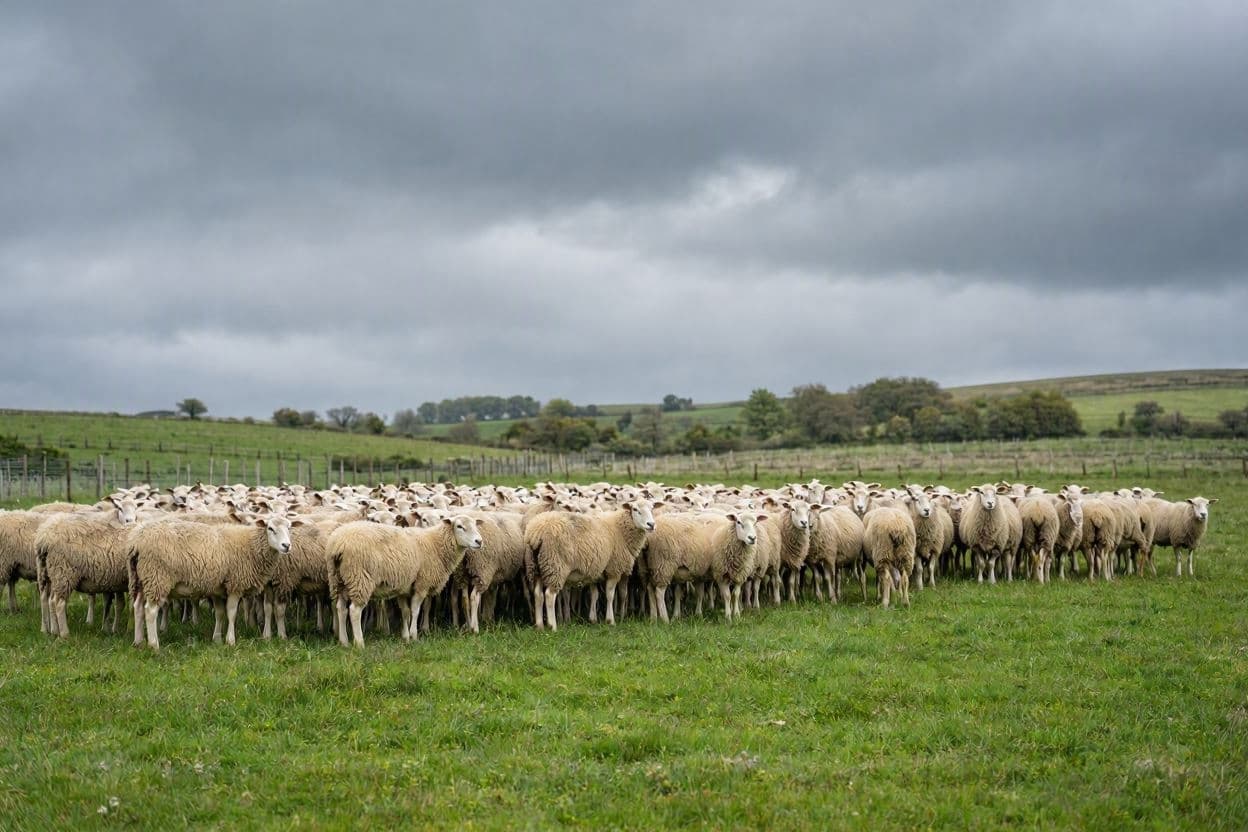
AI Image Disclaimer: The visual content in this article is AI-generated to depict the themes of rural agriculture and weather preparedness.
Sources: Bureau of Meteorology, ABC News Australia, Weatherzone
Published by Banx Network. This article is part of the Banx decentralized media programme, powered by the BXE token on the XRP Ledger.