
Key Highlights
- EU President Ursula von der Leyen announces new sanctions against Russia.
- Ukraine urgently needs enhanced air defense amid ongoing attacks.
- The EU has initiated a €90 billion loan to bolster Ukraine's military capabilities.
European Commission President Ursula von der Leyen has confirmed that the European Union is preparing to implement a 21st package of sanctions against Russia in the coming days. This announcement was made via a post shared on X, where von der Leyen highlighted the urgency of the situation in Ukraine, particularly in light of recent escalations in Russian air attacks targeting civilians.
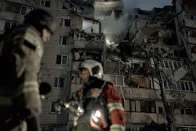
In her statement, von der Leyen pointed to alarming statistics, noting that over 400 drones and missiles have struck the Ukrainian capital, Kyiv. This surge in attacks underscores the critical need for enhanced air defense systems to protect Ukrainian citizens and infrastructure. Von der Leyen emphasized that discussions regarding air defense enhancements will take place during the upcoming NATO summit in Ankara, indicating a collaborative effort among NATO allies to address Ukraine's defense needs.
The EU has already taken significant steps to support Ukraine, having disbursed the first €4 billion of a broader €90 billion loan aimed at strengthening the country's defense capabilities. This funding is intended to facilitate the acquisition of advanced drone technology, which is crucial for bolstering Ukraine's military response against ongoing Russian aggression.
Von der Leyen assured that more support for Ukraine is forthcoming, stating that the EU is diligently working to finalize the 21st sanctions package. This package is expected to include measures aimed at further isolating Russia economically and politically, as the EU continues to respond to the humanitarian crisis resulting from the conflict.
In her concluding remarks, von der Leyen reiterated the EU's commitment to maintaining pressure on Russia until the country ceases its military actions, which she described as contributing to significant bloodshed. The EU's stance reflects a broader international consensus on the need to hold Russia accountable for its actions in Ukraine.
As the situation evolves, the EU's ongoing support for Ukraine and the implementation of new sanctions against Russia will be closely monitored by global observers, as these developments could have far-reaching implications for regional stability and international relations.
Published by Banx Network. This article is part of the Banx decentralized media programme, powered by the BXE token on the XRP Ledger.



