The stars do their work without applause. Deep in their cores, immense pressure turns light elements into energy, a quiet engine humanity has admired from afar. Each fusion milestone on Earth is, in some sense, an attempt to borrow a page from that ancient script.
Scientists recently reported a major advance in sustaining high-energy plasma for more than twenty minutes inside a tokamak reactor. France’s WEST device maintained plasma for 1,337 seconds—just over 22 minutes—setting a notable duration record.
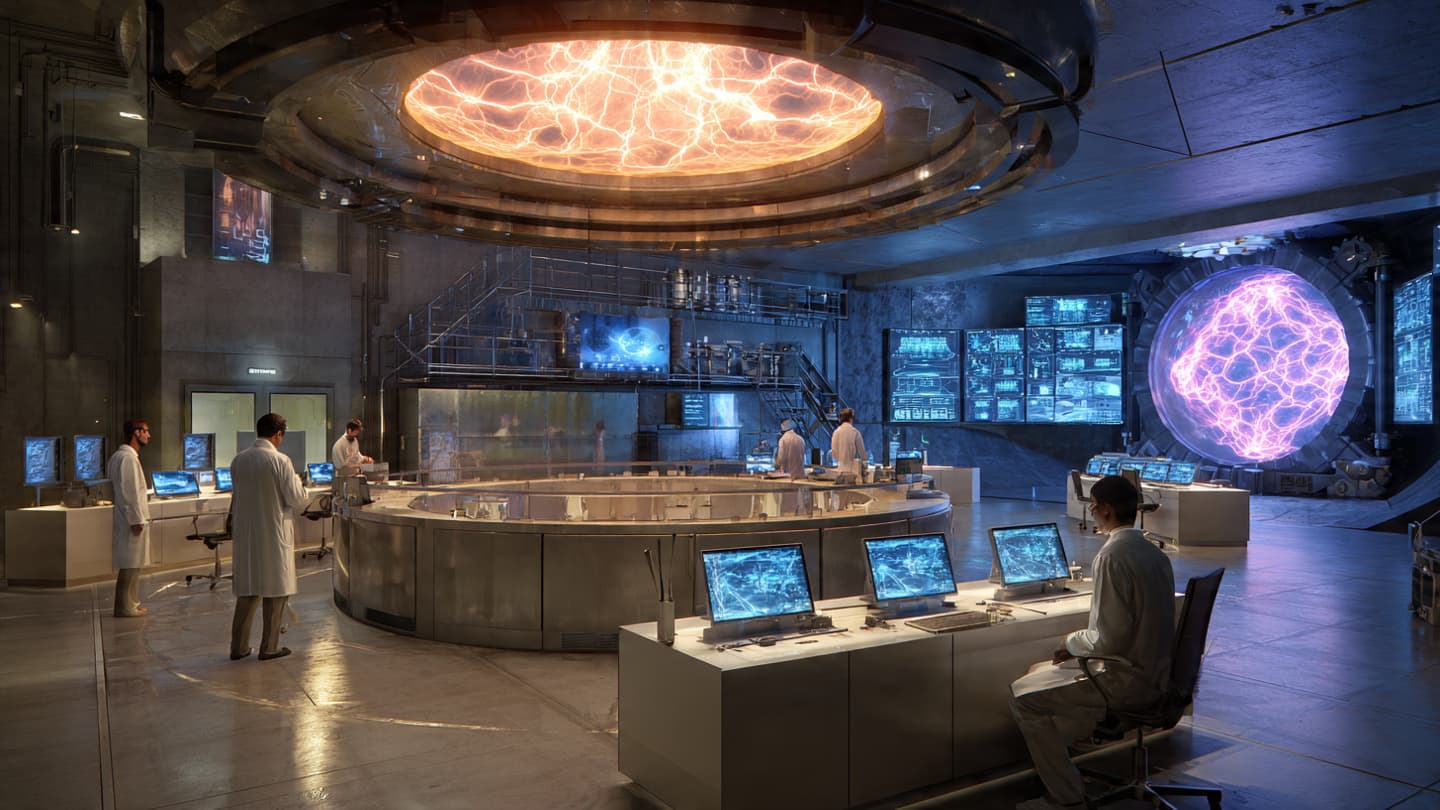
Plasma is a superheated state of matter in which atoms separate into charged particles. To produce controlled fusion, researchers must keep this plasma hot, stable, and confined long enough for useful reactions to occur.
That challenge has long been compared to holding a miniature star inside a magnetic bottle. The plasma naturally shifts and strains against containment systems, while reactor materials must endure extreme temperatures.
The WEST experiment is significant because it demonstrates longer-duration control and durability of reactor-facing components. Those are practical hurdles on the road toward future fusion plants.
Fusion remains different from today’s nuclear fission plants. Instead of splitting heavy atoms, fusion combines light ones, promising abundant fuel sources and lower long-lived radioactive waste.
Still, a record does not mean commercial electricity is around the corner. Engineers must improve efficiency, net energy gain, operating costs, and continuous reliability before fusion can serve grids at scale.
Yet progress often arrives by increments rather than miracles. Twenty minutes of stable plasma may sound brief beside a human day, but in fusion science it represents years of accumulated learning.
The latest achievement offers another reminder: difficult goals are sometimes reached not in one leap, but in carefully measured seconds.
AI Image Disclaimer: Any accompanying visuals for this article are AI-generated for illustration purposes.
Sources: CEA France, Phys.org, Reuters, ITER
Published by Banx Network. This article is part of the Banx decentralized media programme, powered by the BXE token on the XRP Ledger.