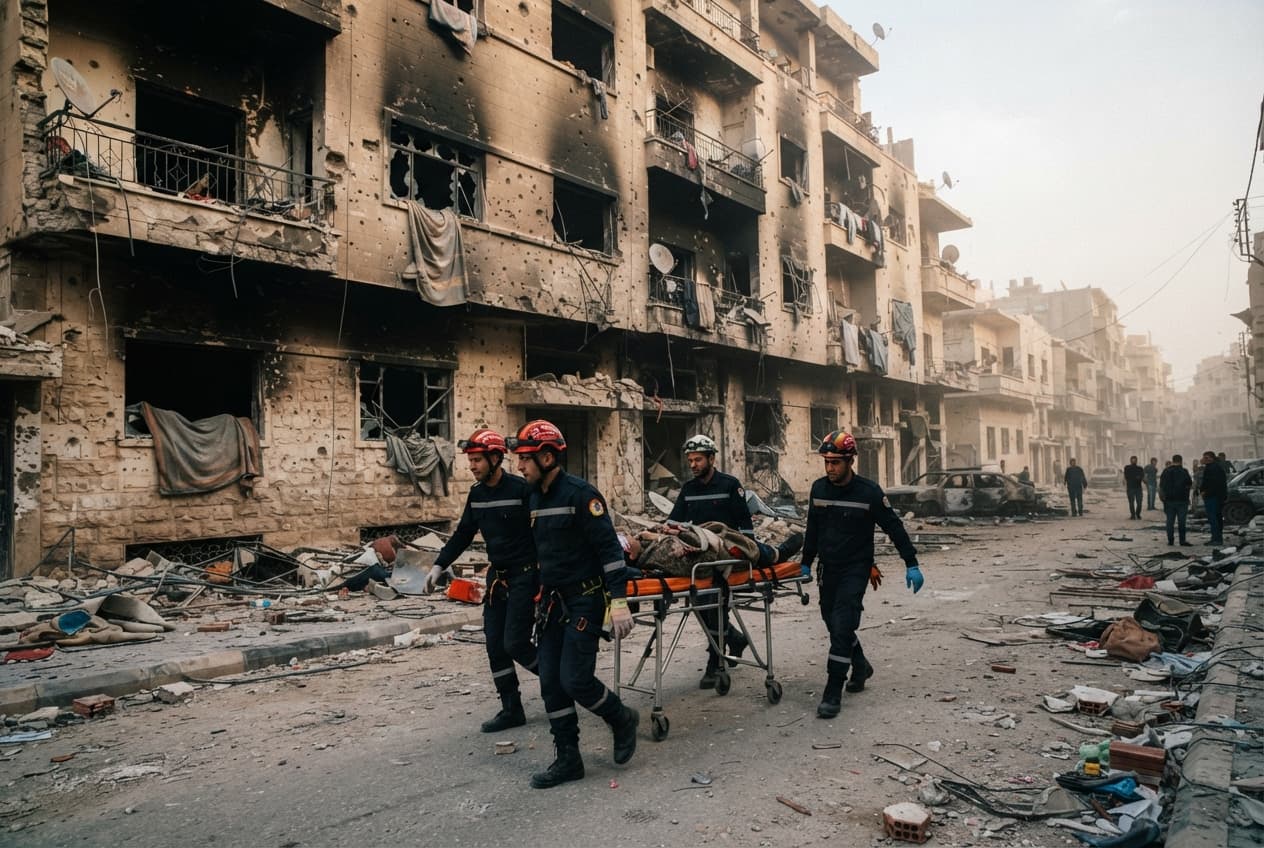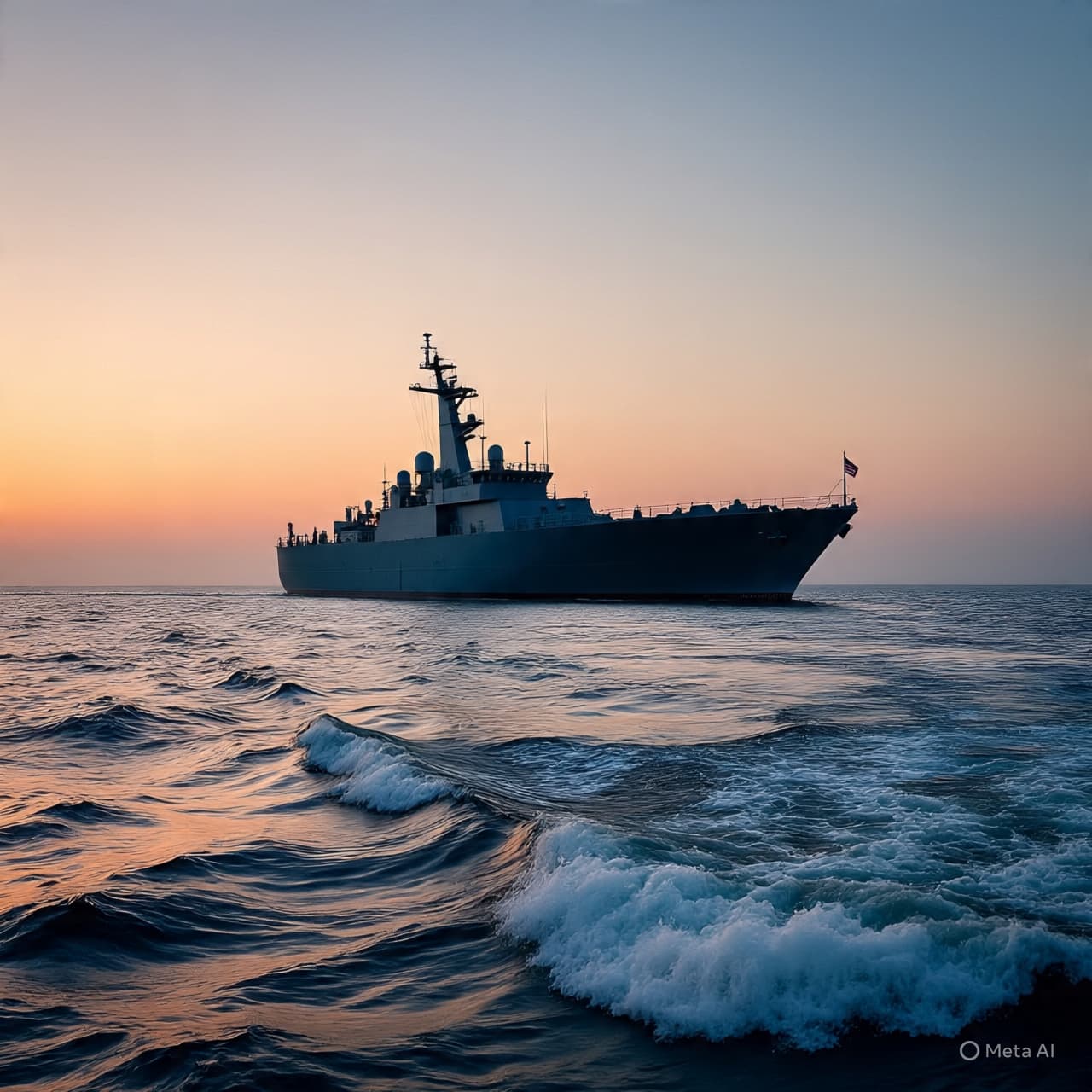
At night on the open ocean, where the line between safety and danger is drawn only by faint navigational lights and the hush of waves, there came a thunderclap — a missile strike that sent a vessel, and all aboard, into oblivion. Then, when survivors clung to wreckage, another impact erased even their presence. The sea, once motion and promise, became cryptic and still. Such was the scene after a reported naval operation on September 2, 2025 — a strike on a suspected narcotics-smuggling boat that left no one alive.
The strike, according to multiple sources, initially struck the vessel and later targeted two survivors in the water. The result: a total of 11 deaths, sparking alarm not only within human-rights circles but among lawmakers themselves. The weapon used was not a mere patrol intercept — it was a missile, delivered under orders allegedly meant to eliminate everyone aboard.
In the immediate wake, the reaction was sharp. The Senate Armed Services Committee (SASC), led by Roger Wicker and Jack Reed, broke with silence — promising "vigorous oversight" to get to the bottom of what happened. The investigations have been formally kicked off: queries sent to the U.S. Department of Defense (DoD), demands for transparency, and calls for a full accounting of decisions, procedures, and legal justifications.
Yet beyond the political maneuvering lies a deeper moral and legal unease. Critics — including human-rights experts and military-law scholars — warn that striking individuals already incapacitated or in distress may breach the norms of international law, which require that wounded or non-combatants be spared from lethal force. Defenders argue the targets were linked to designated narcotics-terror organizations, and that the actions were lawful under appended national defense frameworks.
But as oversight begins, the heart of the matter remains uncertain: who were those on the boat? Were they armed combatants or suspected smugglers? Were they given any chance — a chance to surrender, to be arrested, to be tried? The lack of public evidence and the speed at which lethal force was used leaves a cavern of doubt.
Now, amid a chorus of concern from lawmakers across the aisle, the fate of this investigation may shape future conduct of maritime operations. The world watches — not only for justice, but for whether the values of transparency, accountability, and the rule of law still hold when decisions are made in the silence of deep seas.
AI Image Disclaimer Visuals are created with AI tools and are intended as conceptual illustrations, not real photographs.
Sources The Washington Post, CNN, The Guardian, ABC News, News.Az
Published by Banx Network. This article is part of the Banx decentralized media programme, powered by the BXE token on the XRP Ledger.