
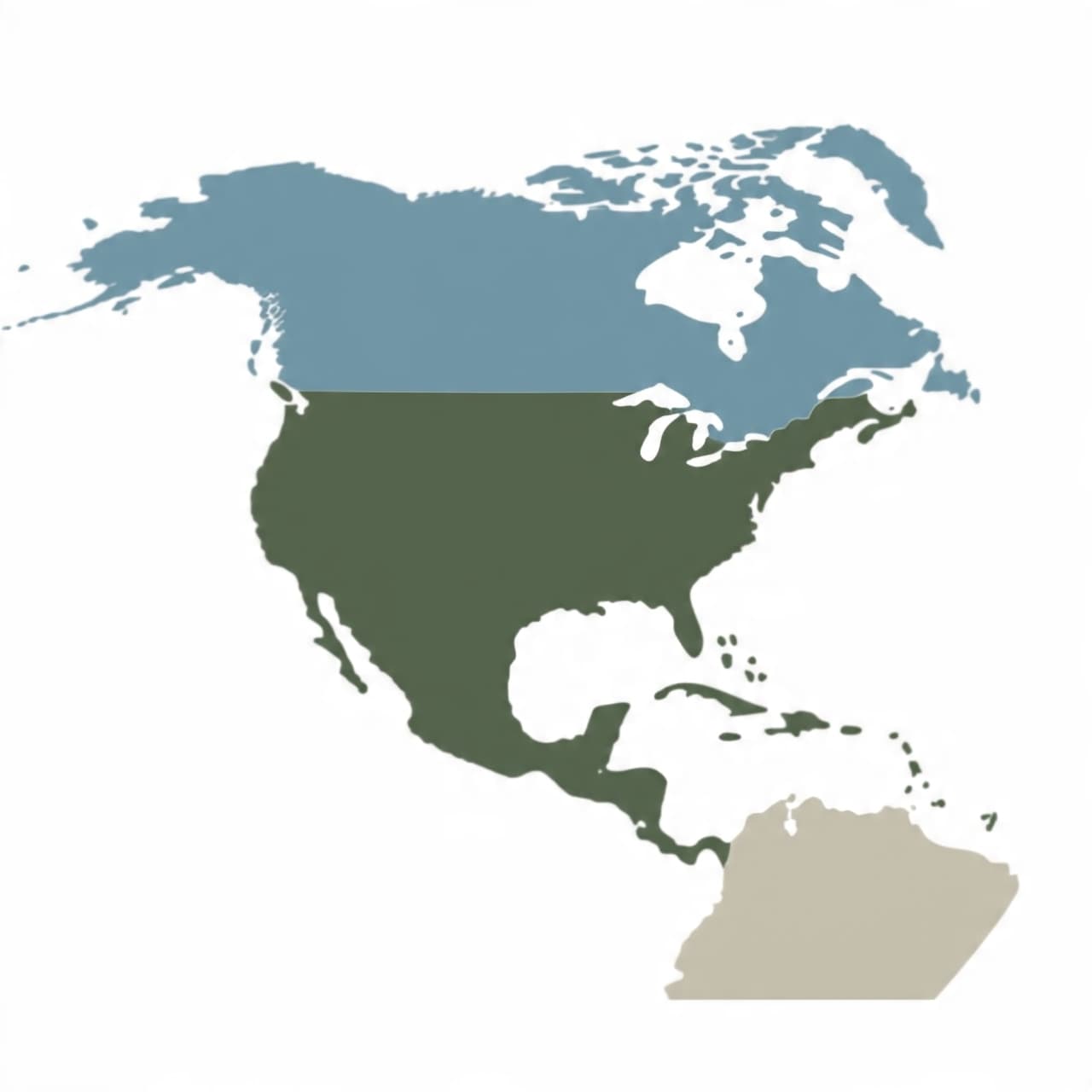
Key Highlights
- Renewed U.S. policies are reshaping relations with Latin America.
- Economic sanctions and diplomatic pressures are back in focus.
- The impact of these policies is felt in daily life across the region.
In recent months, the political landscape surrounding Cuba and its neighbors has shifted dramatically, with Washington reintroducing economic restrictions and diplomatic pressures that echo a long-standing pattern in U.S.-Latin American relations. These measures, framed by officials as tools for promoting political change and recalibrating alliances, have sparked renewed debates about their effectiveness and consequences.
The implications of these policies are not merely theoretical; they manifest in the daily lives of people across the region. In Havana, for instance, the absence of certain goods has become a common topic of conversation, highlighting the tangible effects of sanctions. Residents adapt to these shortages, showcasing resilience in the face of economic challenges. The subtle shifts in supply chains and the improvisations required to navigate daily life reflect a broader struggle against the backdrop of U.S. policy.
As governments across Latin America assess their positions, the regional response to U.S. sanctions varies. Some leaders express concerns about the implications for national sovereignty, while others engage cautiously, balancing trade dependencies with diplomatic ties. This careful navigation underscores the complexity of the geopolitical landscape, where economic realities often clash with ideological commitments.
Analysts suggest that the current moment represents a recalibration of global competition, with the U.S. revisiting older strategies in regions where its influence has been contested. Cuba, in this context, serves as both a symbol and a focal point, its political system a reminder of unresolved historical tensions. The generational divide also plays a role, as younger populations inherit the legacy of Cold War divisions without having lived through them, yet still feeling their effects in contemporary policy discussions.
As the sun rises over Havana, the sea continues its rhythmic dance, indifferent to the political machinations that shape the lives of those along its shores. The renewed measures from Washington signal a tightening grip on economic restrictions and a reaffirmation of long-standing policies towards Cuba and certain Latin American governments. For many in the region, the consequences will unfold gradually, felt in the everyday exchanges and routines of ordinary people, where global strategies intersect with local realities.
In conclusion, the renewed U.S. policies towards Latin America, particularly Cuba, are set to have profound implications. As these measures take effect, the region will continue to navigate the complexities of economic pressures and diplomatic relations, with the enduring resilience of its people at the forefront of this unfolding narrative.
Published by Banx Network. This article is part of the Banx decentralized media programme, powered by the BXE token on the XRP Ledger.



