In the quiet of winter, when city streets are lined with snow and daily routines are steadier than the shifting seasons, a sudden rupture beneath Calgary’s northwest neighbourhoods became a stark reminder of how deeply infrastructure underpins everyday life. The Water Bearspaw South Feeder Main — a vital artery of the city’s water system — burst just before New Year’s Eve, sending ripples through homes, services, and local businesses alike. For many business owners along 16 Avenue N.W., this break is not only a challenge of water supply but a test of resilience, community, and the municipal capacity to respond not just with repair crews but with meaningful relief.
Mayor Jeromy Farkas and Calgary city officials have acknowledged the strain on the community, including on hundreds of homes and around 100 businesses affected by the water main break in Bowness and surrounding areas — an incident that has also led to Stage 4 water restrictions to preserve the city’s limited supply while repairs proceed.
With such restrictions still in effect and water usage in Calgary exceeding sustainable levels, Farkas and city staff are exploring potential relief measures aimed at mitigating economic hardship for local enterprises disrupted by the break. One of the ideas being floated is encouraging employers to allow staff to temporarily work from home, reducing daytime water demand in workplaces, and thereby helping both businesses and the overall city effort to conserve H2O.
This suggestion responds to the reality that, as repairs continue and restrictions may be reinstated through the coming months — even years, as full replacement of the aging pipe could take up to two years — both residents and businesses must adapt to a “new reality” of ongoing water conservation needs.
Local business leaders have also expressed the need for targeted support or compensation as disruptions continue and foot traffic slows due to the water situation; discussions around financial aid or city‑backed grants have surfaced in some reports and community discussions, though formal programs have not yet been fully outlined.
Farkas has stressed that while emergency repairs are underway and crews hope to have the damaged section operational soon, Calgarians should continue to conserve water to protect essential services like firefighting and emergency response. This broader conservation message is part of a dual effort: safeguarding public health while also sustaining the economic vibrancy of affected business districts.
For Calgary’s small businesses — restaurants, retailers, and service providers whose lifeblood depends on a functioning utility system — the water main break has been more than a technical failure; it has been a disruption that touches livelihoods and community spirit. As Mayor Farkas outlines possible relief and adaptive measures, the hope is that collective action, compassionate policy, and clear communication can help cushion not only the streets and pipes of the city but also the people and enterprises that give Calgary its character and resilience.
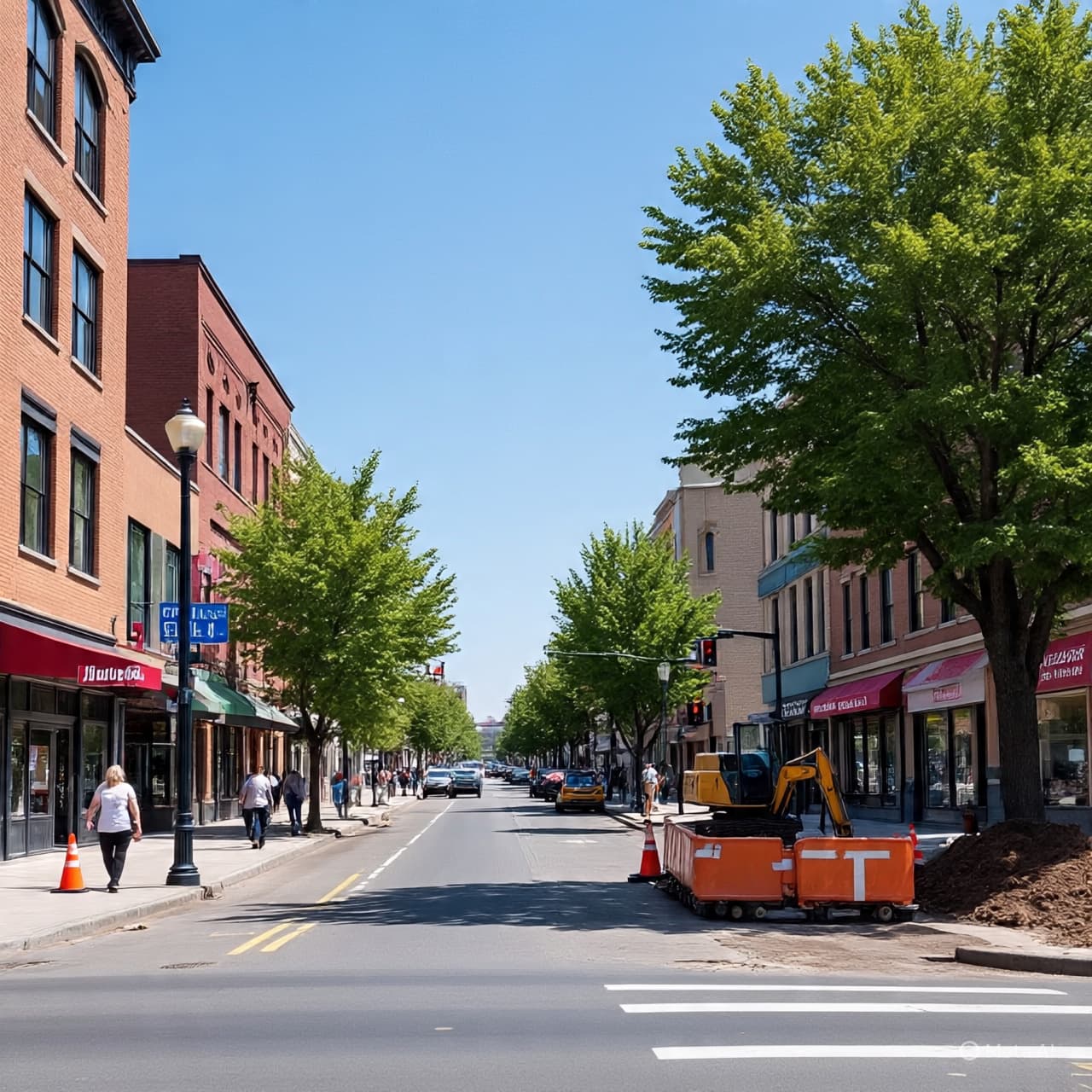
AI Image Disclaimer “Visuals are created with AI tools and are not real photographs, meant for conceptual illustration.”
Sources: CTV News Calgary (via social media), Western Standard, Calgary City News (citynews.ca), Calgary.ca emergency newsroom, CBC Calgary coverage.
Published by Banx Network. This article is part of the Banx decentralized media programme, powered by the BXE token on the XRP Ledger.