
Key Highlights
- Global investment in water infrastructure is on the rise.
- Urbanization and population growth drive demand for clean water.
- Technology innovations enhance efficiency and sustainability.
[The Importance of Water Infrastructure]
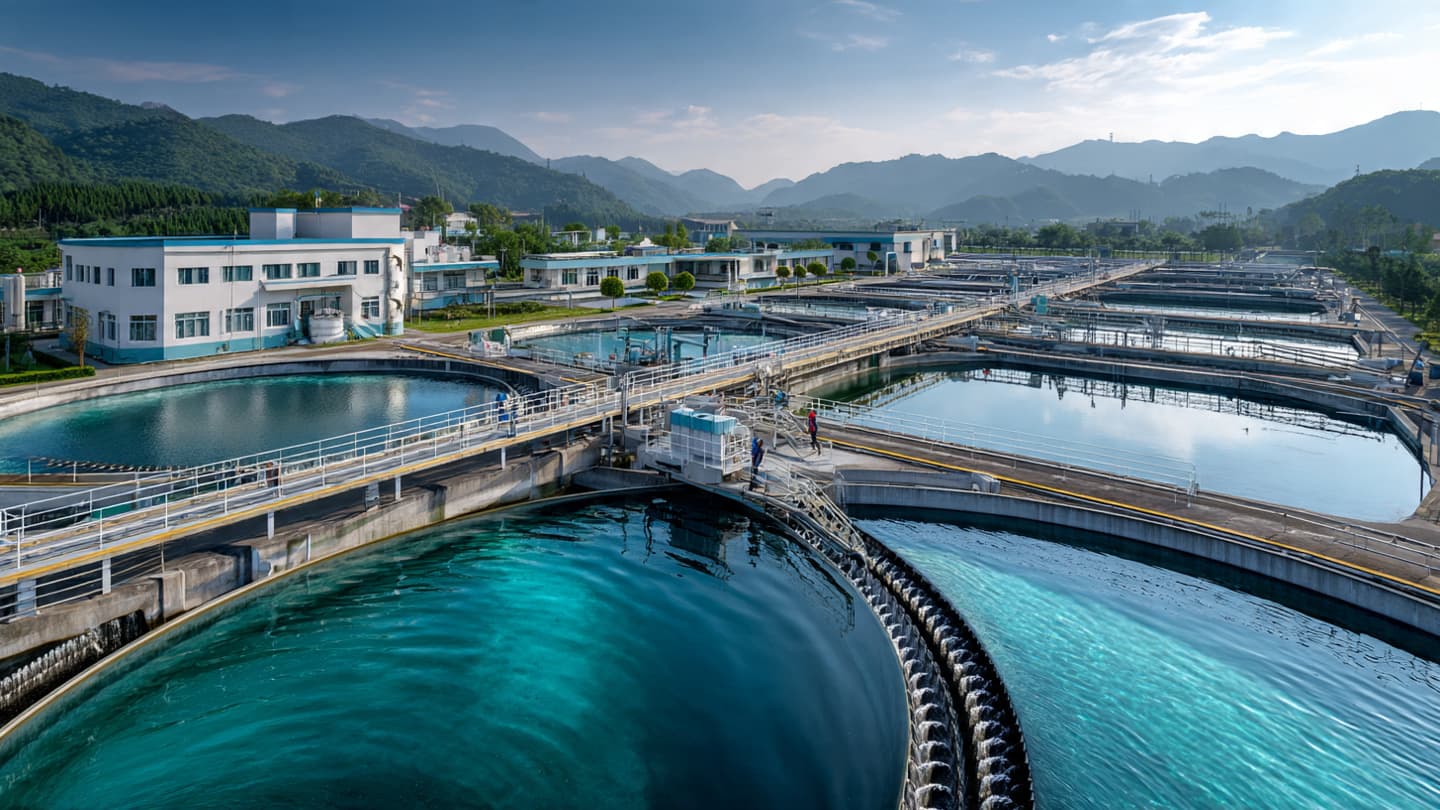
Water infrastructure is often overlooked compared to more visible projects like airports and highways. However, the systems that deliver clean water to homes and businesses are crucial for economic progress and public health. Recent reports indicate a significant increase in investment in freshwater infrastructure worldwide, as governments and organizations recognize the need for reliable and sustainable water systems.
The growing demand for clean water is largely driven by population growth and urbanization. Expanding cities require robust infrastructure to supply clean water and manage wastewater effectively. This need for modernization often necessitates substantial capital investment, as aging systems struggle to meet contemporary demands.
[Technological Advancements in Water Management]
Technology is playing an increasingly vital role in the water sector. Advanced monitoring systems, smart sensors, and data analytics are being deployed to help utilities identify inefficiencies, detect leaks, and optimize operations. These innovations not only enhance the reliability of water services but also promote resource conservation, making them essential in the face of rising demand.
Climate change and variability have further underscored the importance of resilient water infrastructure. Communities are now investing in systems designed to withstand extreme weather events and changing environmental conditions, ensuring stable access to this essential resource. This proactive approach is critical for maintaining public health and supporting economic activities.
[Broader Economic Impacts]
The economic benefits of investing in water infrastructure extend beyond the immediate provision of water services. Reliable water systems support agriculture, manufacturing, energy production, and urban development. As such, investments in water infrastructure can yield positive effects across multiple sectors, contributing to overall economic resilience.
International organizations and development institutions are actively supporting projects aimed at improving access to clean water and enhancing efficiency. Many regions are beginning to view water infrastructure as a key component of their long-term sustainability strategies, recognizing its role in fostering economic growth and stability.
[Private Sector Involvement]
The private sector's involvement in water infrastructure is also increasing. Engineering firms, technology providers, and infrastructure investors are bringing their expertise and capital to projects aimed at modernizing water networks. This collaboration is essential for addressing the challenges posed by aging infrastructure and regulatory complexities.
Despite the momentum building in the sector, challenges remain. Financing requirements, outdated systems, and regulatory hurdles can impede progress. Nevertheless, the growing focus on freshwater infrastructure reflects a broader understanding that economic development is closely tied to reliable access to essential resources. Among these, few are as fundamental as water itself.
Published by Banx Network. This article is part of the Banx decentralized media programme, powered by the BXE token on the XRP Ledger.



