On the dark, frozen floors of the Moon’s south pole, shadows have persisted for billions of years, hiding secrets that could unlock the future of space exploration. China is preparing to launch Chang’e-7, an ambitious robotic mission designed to seek out water ice in these permanently shadowed regions. This endeavor represents a significant step in the global race to understand lunar resources, aiming to transform the Moon from a destination into a potential waypoint for deeper cosmic journeys.
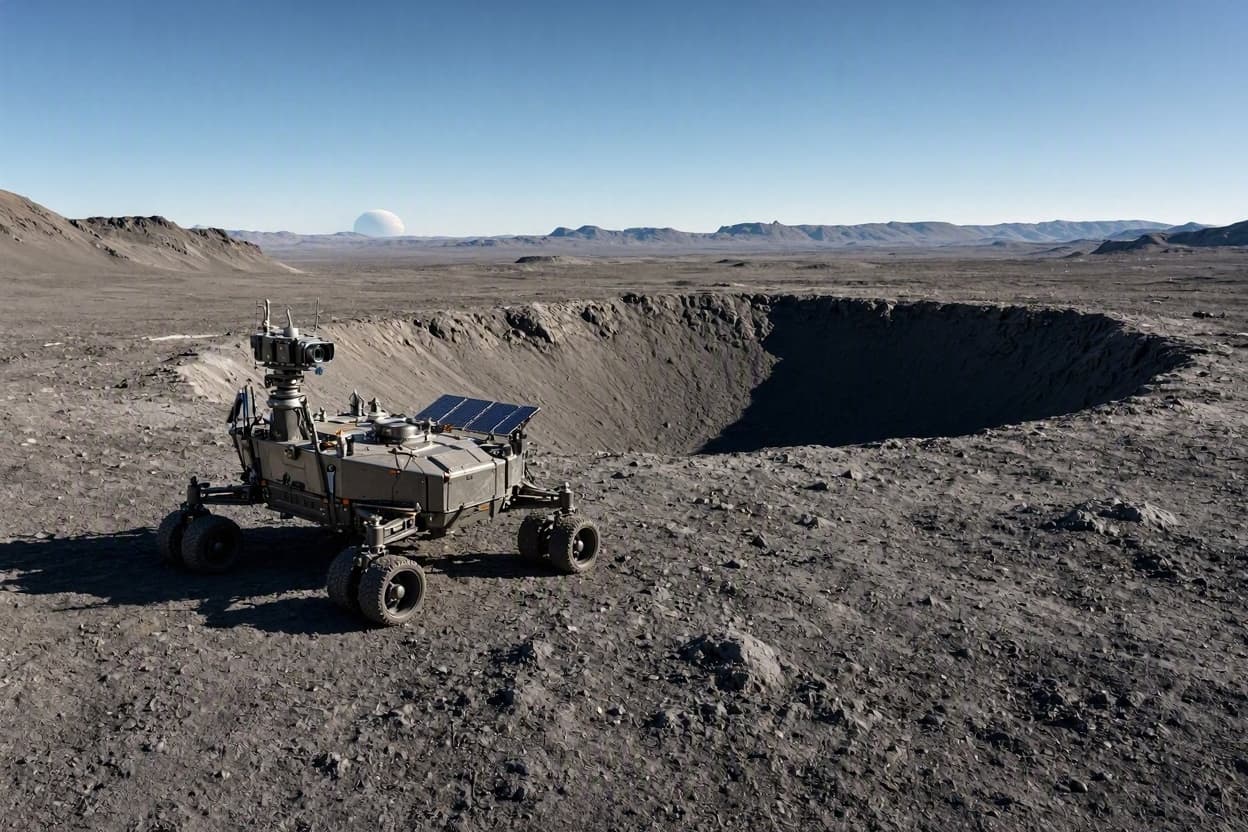
The mission, scheduled for launch on a Long March 5 rocket, comprises a sophisticated suite of spacecraft: an orbiter, a lander, a rover, and a unique "hopper" probe. This combination allows for a comprehensive survey of the terrain, from high-altitude mapping to close-up analysis of the regolith. The hopper, capable of jumping over rugged obstacles, will explore craters that are otherwise inaccessible, venturing into the deepest cold to sniff out volatile compounds.
Water ice is the prize, a resource essential for sustaining human life and producing fuel. If confirmed in significant quantities, it could support future lunar bases and serve as a refueling station for missions to Mars and beyond. Chang’e-7’s instruments are designed to detect not just the presence of ice but its distribution and purity, providing critical data for planning future extraction technologies. It is a search for the building blocks of survival in space.
This mission also highlights the increasing complexity of lunar exploration. Unlike previous missions that focused on landing and sampling, Chang’e-7 emphasizes mobility and versatility. The ability to navigate extreme temperatures and terrain challenges pushes the boundaries of robotic engineering. It demonstrates China’s growing capabilities in space technology and its commitment to establishing a long-term presence on the Moon.
International interest in the lunar south pole is intensifying, with NASA’s Artemis program and other global initiatives targeting similar regions. Chang’e-7 contributes to this collective effort, offering data that may complement findings from other nations. While competition exists, the scientific value of shared knowledge benefits all humanity, advancing our understanding of the Moon’s history and potential.
The technological challenges are immense. Operating in near-absolute zero temperatures requires specialized materials and power systems. The spacecraft must withstand thermal extremes while maintaining precise instrument calibration. Success depends on the seamless integration of hardware and software, a testament to the rigorous testing and planning that has gone into the mission. It is a feat of engineering resilience.
For the scientific community, the mission offers a chance to study the Moon’s polar environment in unprecedented detail. Understanding how ice accumulates and persists in shadowed craters can reveal clues about the delivery of water to the inner Solar System. It connects the Moon’s story to the broader narrative of planetary evolution, linking our celestial neighbor to the origins of life on Earth.
As the launch window approaches, anticipation builds among scientists and space enthusiasts alike. Chang’e-7 is more than a national achievement; it is a contribution to human knowledge. By hunting for ice in the darkest corners of the Moon, it shines a light on the possibilities of our future in space. The mission reminds us that even in the coldest places, hope and discovery can thrive.
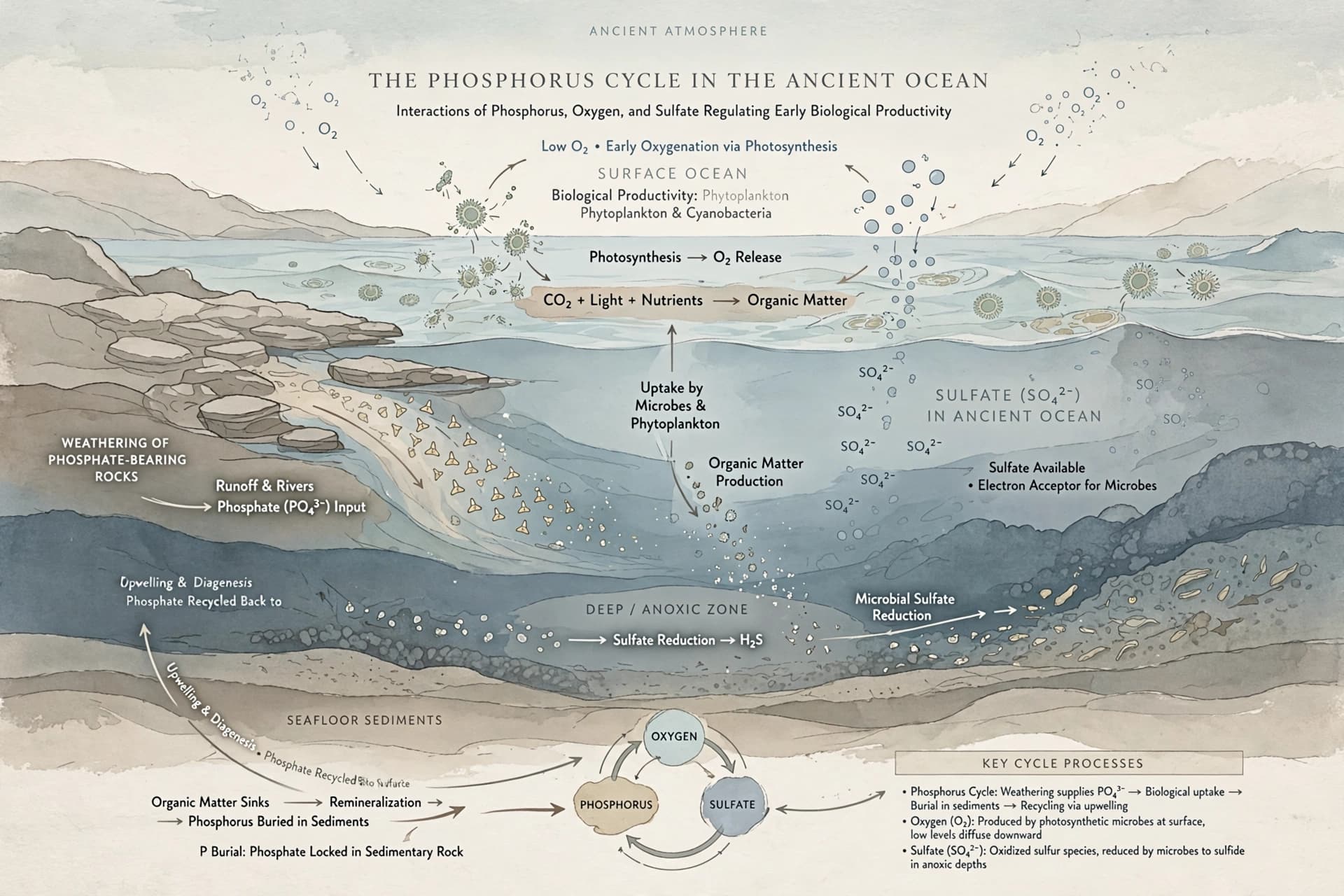
AI Image Disclaimer: Visuals in this article are AI-generated illustrations of lunar landscapes and abstract representations of robotic exploration, designed to visualize the theme of lunar science without depicting real proprietary mission hardware or specific crater imagery.
Sources: SpaceNews, The Planetary Society, Scientific American, Reuters
Published by Banx Network. This article is part of the Banx decentralized media programme, powered by the BXE token on the XRP Ledger.