From the depths of interstellar space, a visitor arrived in our solar system, carrying secrets from a distant world. Comet 3I/ATLAS, the third known interstellar object, has been observed releasing vast amounts of water vapor as it journeys past the sun. This cosmic fountain, pouring out two tons of water every second, offers a glimpse into the composition of other planetary systems. It is a moment of scientific wonder, inviting us to consider the universality of water and the potential for life beyond Earth. The comet’s trail is a bridge between stars, connecting us to the wider galaxy.
Observations from telescopes and spacecraft have revealed the comet’s active coma, a cloud of gas and dust surrounding its nucleus. As sunlight heats the icy surface, water ice sublimates, creating a spectacular display. This process is similar to that of comets native to our solar system, suggesting that the building blocks of planets may be common across the universe. The presence of water is particularly significant, as it is a key ingredient for life as we know it.
Scientists are analyzing the isotopic composition of this water to determine its origin. Preliminary data suggests that 3I/ATLAS formed in a much colder environment than our own solar system, possibly in the outer regions of its home star’s protoplanetary disk. This insight helps astronomers understand the diversity of planetary formation processes. Each comet serves as a time capsule, preserving conditions from billions of years ago.
The discovery also highlights the capabilities of modern astronomy. Advanced instruments allow for detailed spectroscopic analysis, revealing the chemical makeup of distant objects. This technology enables us to study interstellar visitors with unprecedented precision. It opens new avenues for research, from astrobiology to planetary science.
For the public, the image of a comet spraying water into space is both majestic and humbling. It reminds us of our place in the cosmos, as inhabitants of a small planet in a vast universe. The story of 3I/ATLAS captures the imagination, inspiring curiosity about what else might be out there. It encourages us to look up and dream.
As the comet moves away from the sun, its activity will gradually decrease. But the data it has provided will continue to yield insights for years to come. Future missions may target similar objects, seeking to unlock more mysteries of the interstellar medium. The journey of 3I/ATLAS is just the beginning of a new era in exploration.
Comet 3I/ATLAS has been observed releasing two tons of water per second, offering valuable insights into the composition of interstellar objects. This discovery highlights the commonality of water in the universe. The hope is for continued exploration of interstellar visitors to expand our understanding of planetary formation.
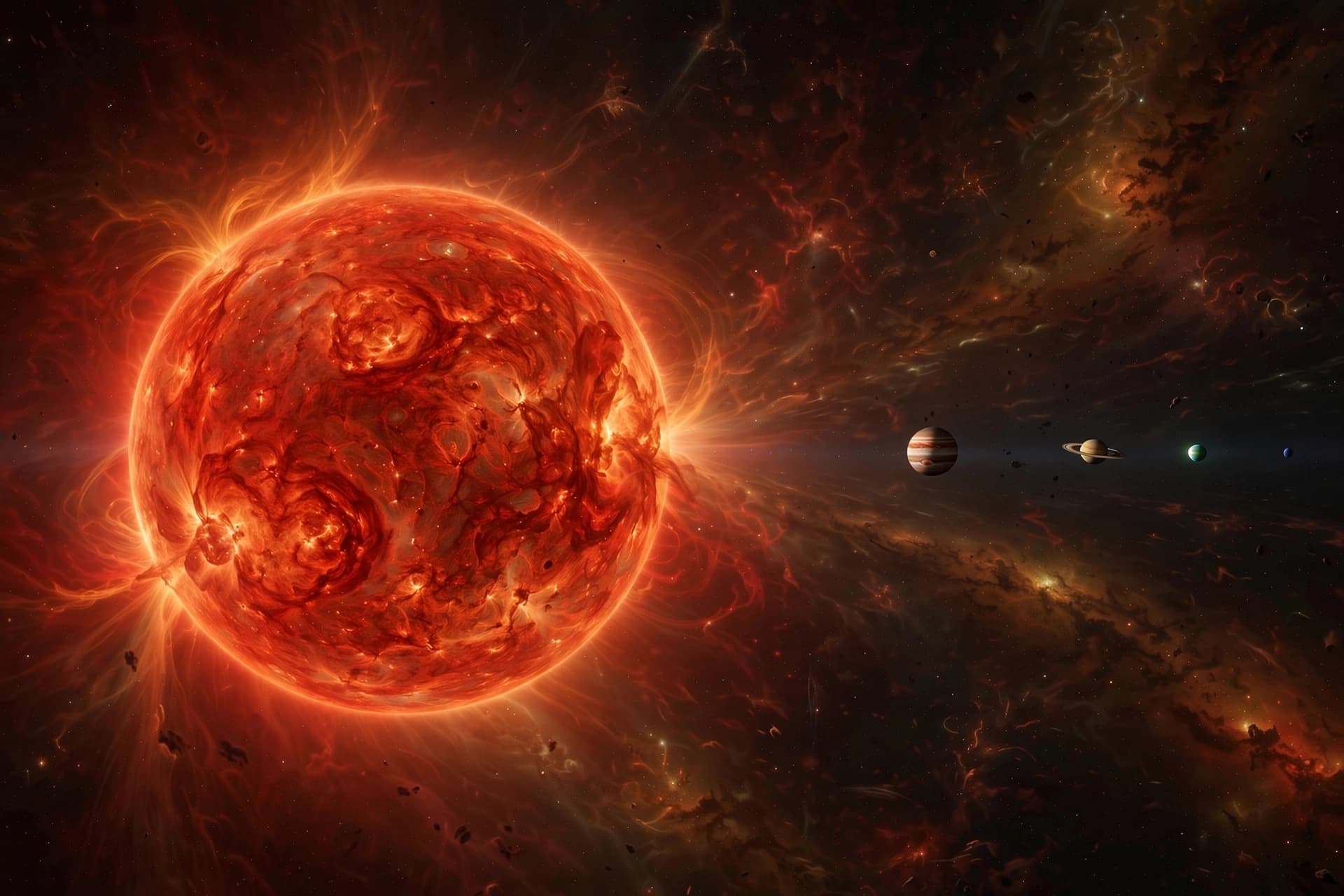
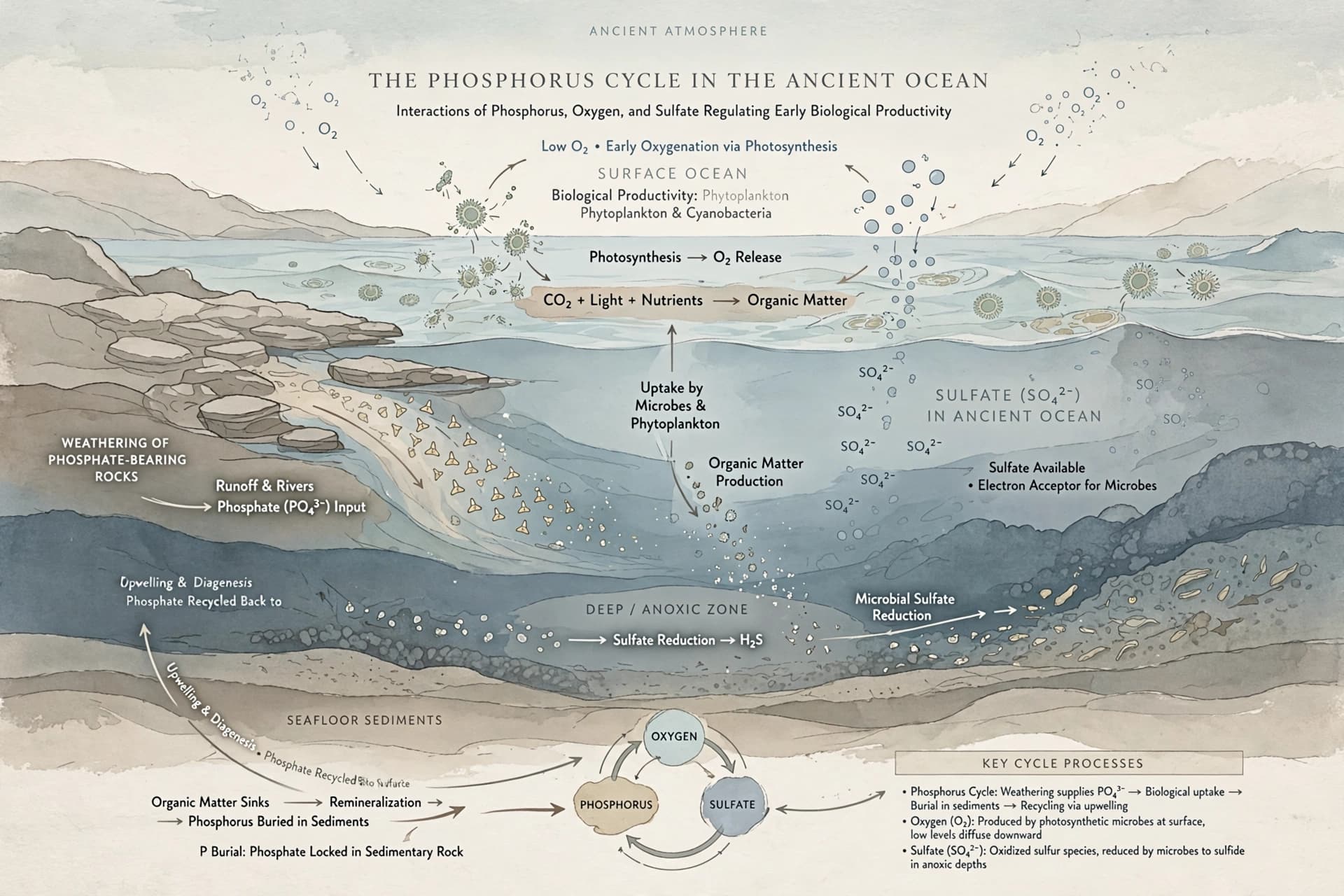
AI Image Disclaimer: The images provided are AI-generated to visually represent the astronomical and scientific aspects of the story.
Sources: ALMA Observatory Science Daily Space.com
Published by Banx Network. This article is part of the Banx decentralized media programme, powered by the BXE token on the XRP Ledger.