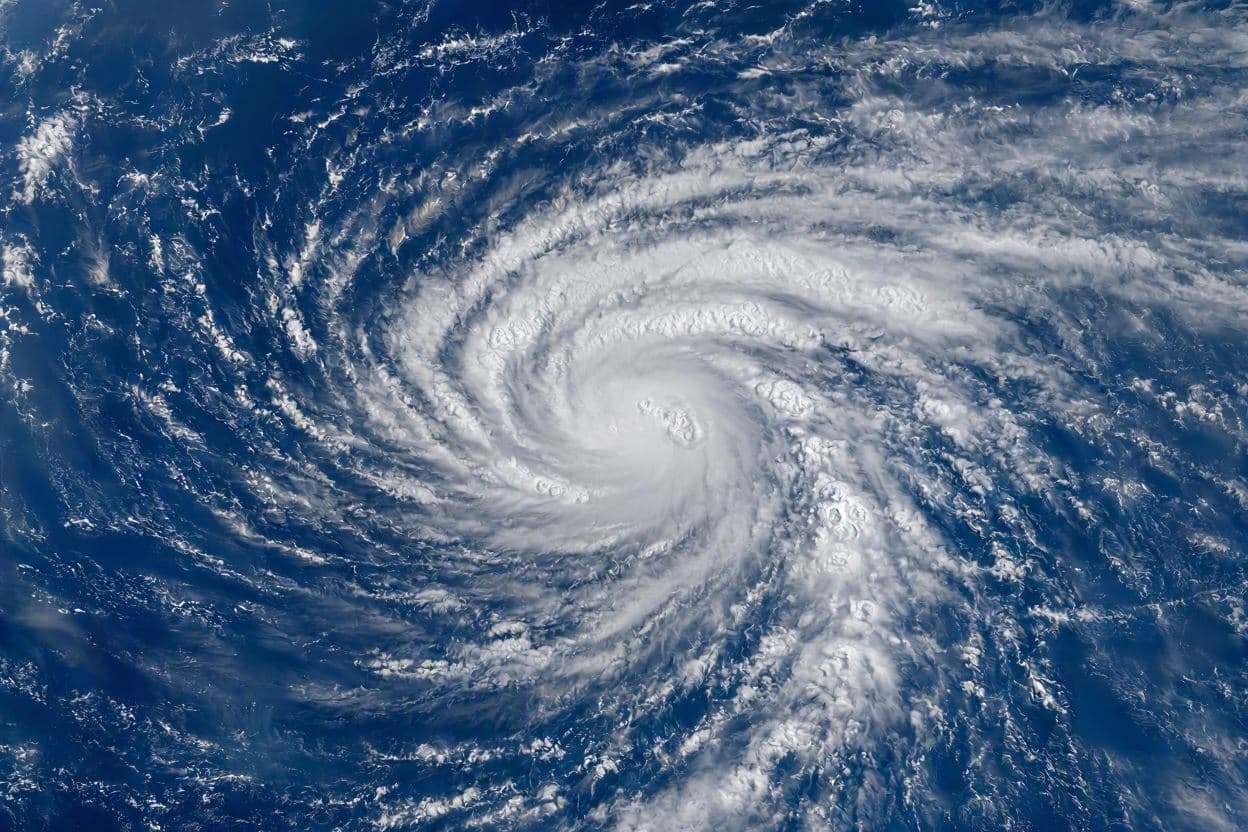
The Atlantic Ocean is a vast, breathing entity, its rhythms dictated by the sun, the wind, and the turning of the earth. In late summer, these rhythms often coalesce into something more potent, swirling with energy that demands attention. The National Hurricane Center has announced the formation of Tropical Storm Dolly, a reminder that nature’s cycles continue regardless of human schedules. As the storm gathers strength, it serves as a gentle but firm prompt for coastal communities to review their preparations and respect the power of the sea.
Tropical Storm Dolly developed from a tropical wave that had been moving across the warm waters of the Atlantic. Meteorologists at the National Hurricane Center (NHC) have been tracking the system for several days, noting the gradual organization of thunderstorms and the development of a defined circulation. The designation of "tropical storm" indicates sustained winds of at least 39 miles per hour, marking a significant step in the lifecycle of such weather systems.
While Dolly is currently not posing an immediate threat to land, its trajectory is being closely monitored. The path of tropical storms can be unpredictable, influenced by high-pressure systems and other atmospheric factors that shift daily. Forecasters use sophisticated models to project potential tracks, providing residents and officials with the time needed to make informed decisions about safety and resource allocation.
For those living in hurricane-prone regions, the formation of a named storm is a familiar signal. It triggers a routine of checking emergency kits, securing outdoor items, and staying informed through local news and official alerts. This preparedness is not born of fear, but of experience and respect for the environment. It is a communal practice that strengthens resilience and ensures that communities can weather the storm together.
The naming of storms, such as Dolly, helps in clear communication and public awareness. It transforms a complex meteorological phenomenon into a recognizable entity, making it easier for people to track and discuss. This simple act of naming fosters a sense of shared understanding, allowing for more effective coordination between weather services, emergency managers, and the public.
Climate scientists note that while the number of tropical storms varies from year to year, the intensity of these systems is a subject of ongoing study. Warmer ocean temperatures can provide more fuel for storms, potentially leading to stronger winds and heavier rainfall. Understanding these trends is crucial for long-term planning and infrastructure development in coastal areas.
As Dolly moves across the open ocean, it will likely undergo changes in strength and structure. It may intensify into a hurricane or weaken due to unfavorable conditions. Regardless of its ultimate fate, the storm plays a role in the Earth’s heat distribution, helping to balance the planet’s energy budget. It is a natural process, both beautiful and formidable.
The National Hurricane Center continues to issue regular updates on Tropical Storm Dolly’s position and intensity. Residents are encouraged to stay vigilant and follow guidance from local authorities, ensuring safety during the active hurricane season.
AI Image Disclaimer: Please note that the visual accompaniments for this article are AI-generated illustrations created to reflect the thematic elements of tropical weather, ocean dynamics, and storm monitoring.
Sources: National Hurricane Center (NHC) NOAA Associated Press Reuters Weather Channel
Published by Banx Network. This article is part of the Banx decentralized media programme, powered by the BXE token on the XRP Ledger.