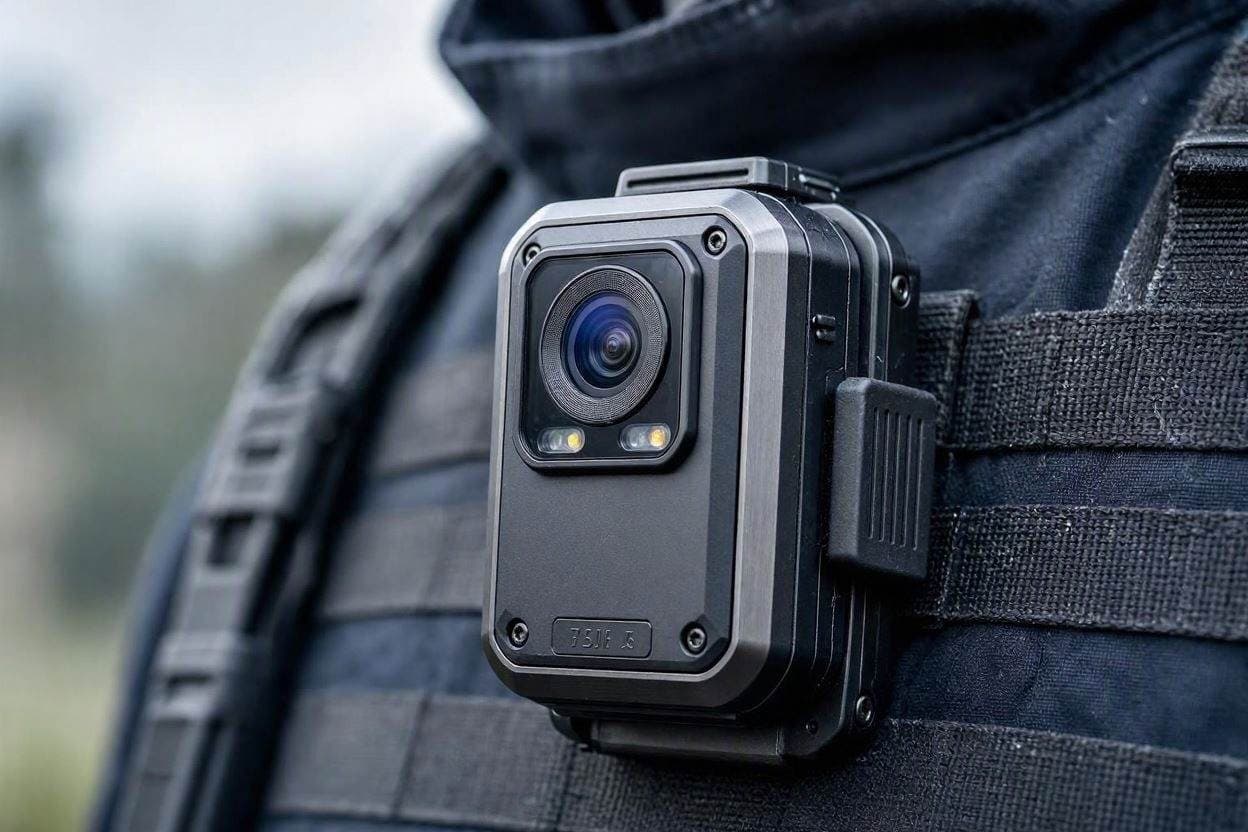
Transparency in law enforcement is often described as a window into justice, allowing the public to see the actions taken in their name. For Immigration and Customs Enforcement (ICE), that window is finally being installed. The agency has announced that it expects to equip every field officer with body-worn cameras by the end of August, marking the culmination of a long-awaited initiative. This move comes after years of debate and delay, reflecting a broader societal demand for accountability in policing. It is a significant step toward building trust, offering a visual record of interactions that can protect both officers and the communities they serve.
The rollout of these devices has been gradual, with more than half of the field force already receiving them in recent months. The remaining officers are scheduled to be issued the cameras in the final weeks of August, ensuring nationwide consistency. The investment, totaling nearly $31 million, underscores the federal commitment to modernizing enforcement practices. For many, this technology represents a bridge between authority and oversight, providing an objective account of events that might otherwise be disputed.
However, the implementation comes with specific policies regarding the release of footage. ICE has stated that it will only disclose video when it deems it to be in the agency’s "best interests." This caveat has drawn criticism from transparency advocates who argue that public access should be more automatic, particularly in cases involving use of force or complaints. The balance between operational security and public right-to-know remains a delicate one, requiring careful navigation by policymakers.
For the officers on the ground, the cameras serve as both a tool and a reminder. They document procedures, provide evidence for legal proceedings, and can deter misconduct. Many agents have welcomed the technology, viewing it as a means to validate their professional conduct in challenging situations. The presence of a camera can also encourage calm and compliance from those being detained, fostering a more orderly environment.
The timing of this deployment is notable, occurring amidst heightened scrutiny of immigration enforcement tactics. Recent incidents have sparked national conversations about the methods used by federal agents. By equipping officers with body cameras, ICE aims to demonstrate its commitment to lawful and respectful operations. Whether this measure will fully satisfy critics remains to be seen, but it is a tangible response to calls for reform.
Training on the use of these devices has been extensive, ensuring that officers understand when to activate them and how to manage the data. Proper usage is critical for the footage to be admissible and useful. The agency has worked to integrate the technology into daily routines, minimizing disruption while maximizing benefit. This logistical effort is a testament to the complexity of implementing such a large-scale change.
The expectation that all ICE field officers will have body cameras by the end of August is a milestone in federal law enforcement. As the technology becomes standard, the focus shifts to how the footage is used and shared. The hope is that this transparency will lead to greater accountability and trust in the immigration system.
AI Image Disclaimer: The visual elements accompanying this report are AI-generated interpretations designed to reflect the themes of law enforcement and technology.
Sources: ABC News The Guardian 29News
Published by Banx Network. This article is part of the Banx decentralized media programme, powered by the BXE token on the XRP Ledger.