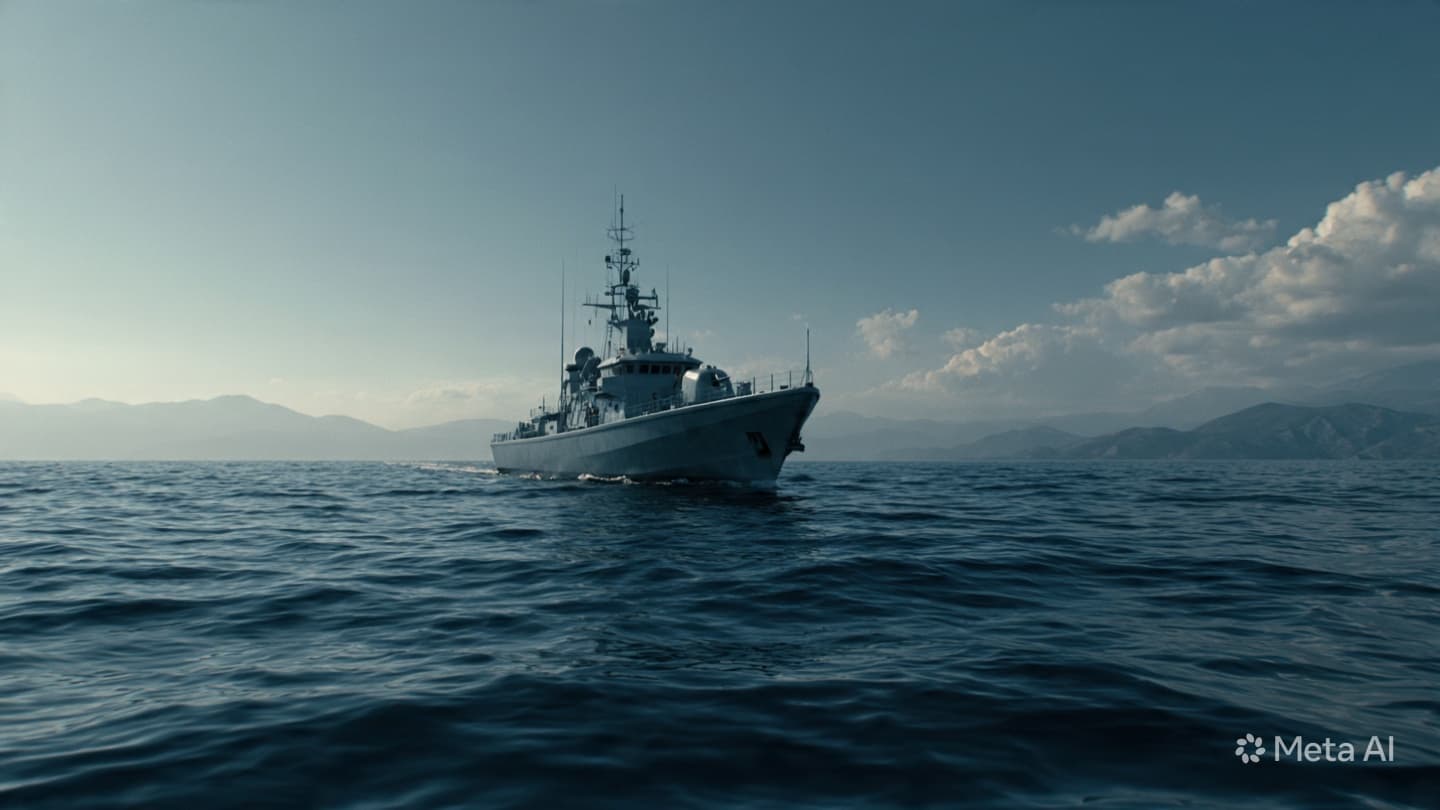
The Gulf of Aden and the broader expanse of the Arabian Sea represent more than just a passage for commerce; they are the literal and figurative arteries of the region. As the light dances across the water, the maritime landscape appears serene, yet it hides a complex reality where the boundaries between legitimate transit and illicit activity are constantly tested. For those who watch these waters from the vantage of the shore and the deck, the ocean is a dynamic environment where the slightest shift in the wind or a change in a vessel’s course can signal a deviation that demands scrutiny.
In recent months, the commitment to monitoring these critical waterways has taken a more deliberate form. Regional security forces, cognizant of the fragility of the coastal stability, have intensified their presence, creating a persistent, observant layer of oversight. It is not a movement defined by noise or overt displays, but by a steady, methodical attention to the rhythms of the sea. By maintaining a constant watch, these forces aim to identify the anomalies that might otherwise slip through the cracks, ensuring that the movement of goods and people remains within the clear, established parameters of regional order.
The nature of this surveillance is deeply integrated into the modern maritime architecture, blending the traditional expertise of seasoned sailors with the capabilities of advanced tracking systems. As vessels traverse these corridors, they are monitored with a precision that reflects the gravity of the current geopolitical climate. This is an environment where intelligence-led operations are paramount, allowing security forces to distinguish between the routine pulse of merchant traffic and the calculated, often clandestine maneuvers of those who would exploit the region’s vulnerabilities.
There is a quiet, contemplative weight to this work. Those tasked with maritime security operate in a theater that spans vast distances, requiring a patience that few outside the field truly understand. It is a commitment that spans the hours of the day and night, a sustained effort to maintain the integrity of the coastal domain. This focus on oversight serves as a protective barrier, fostering a sense of stability that is essential for the economic and social health of the nations bordering these vital seas.
The collaboration between neighboring states in these efforts is a notable development in the regional security narrative. By aligning their observational capacities, these forces are building a more comprehensive picture of the maritime domain, turning once-isolated zones into a shared space of accountability. This cooperative approach serves as a testament to the belief that the security of the sea is a collective responsibility, one that requires a unified gaze and a shared understanding of the challenges that lie beneath the surface.
As the maritime routes near Yemen continue to be a focal point of concern, the role of security forces becomes increasingly vital. They serve not only as a deterrent but also as the primary responders to the unpredictable incidents that can arise in such a fractious environment. Whether it is the sighting of an unidentified craft or the monitoring of irregular patterns in coastal shipping, the readiness of these forces provides a necessary counterbalance to the volatility that can easily spill over from the land into the sea.
In the face of these challenges, the emphasis remains on the proactive identification of risk. The goal is to move ahead of the curve, ensuring that the maritime space remains open, navigable, and free from the disruptive influence of illicit actors. This is a task of constant iteration, where the lessons learned from one observation are integrated into the next, refining the methods by which the region manages its complex and ever-changing nautical borders.
Looking at the horizon, one gains a sense of the scale of the task and the resilience required to carry it out. The security of the maritime routes is not a static achievement but an ongoing pursuit, shaped by the dedication of those who stand watch. It is a silent contribution to the stability of the region, ensuring that even in times of uncertainty, the flow of the world’s trade and the sanctity of its waters are upheld with unwavering focus and professional grace.
Security forces across the Gulf region have significantly increased their monitoring of maritime corridors near Yemen to combat organized crime. This enhanced oversight, facilitated by both traditional patrol methods and modern surveillance technology, is intended to safeguard critical shipping lanes from illicit activities. By maintaining a heightened state of awareness and fostering regional information-sharing, these security efforts aim to disrupt trafficking networks and stabilize the maritime environment amidst ongoing regional tensions and security challenges.
Published by Banx Network. This article is part of the Banx decentralized media programme, powered by the BXE token on the XRP Ledger.