

Key Highlights
- Canada is enhancing its wildfire monitoring efforts to combat climate change impacts.
- Prolonged dry conditions and higher temperatures are increasing fire risks.
- Collaboration among federal, provincial, and Indigenous communities is crucial for effective response.
[Wildfire Monitoring in Canada]
Nature often speaks in gradual changes before it raises its voice through extraordinary events. Forests, rivers, and skies become quiet indicators of conditions that scientists carefully observe, recognizing that understanding today's patterns may help reduce tomorrow's risks. Across Canada, that careful observation continues as wildfire and climate monitoring remains a national priority.
Environment and Climate Change Canada is expanding its monitoring of wildfire activity and changing climate conditions, particularly as several regions remain vulnerable to seasonal fire risks. Government agencies regularly analyze weather forecasts, vegetation moisture, and satellite observations to improve preparedness and emergency response. This proactive approach is essential as wildfires are a recurring part of Canada's natural landscape, especially during warmer months.
Experts note that prolonged dry conditions, higher temperatures, and shifting weather patterns can influence both the frequency and intensity of fire seasons in some regions. As climate change continues to alter environmental conditions, the need for effective monitoring becomes increasingly critical. Scientists utilize a combination of satellite imagery, ground observations, and advanced forecasting models to monitor developing conditions. These tools help emergency agencies identify high-risk areas, coordinate firefighting resources, and provide timely public information.
Provincial governments are working closely with federal agencies, Indigenous communities, and emergency management organizations. This cooperation allows authorities to respond more effectively when wildfires threaten communities, infrastructure, or environmentally sensitive areas. The integration of local knowledge from Indigenous communities enhances the overall effectiveness of wildfire management strategies.
Researchers emphasize that wildfire monitoring extends beyond immediate emergency response. Long-term climate records provide valuable insight into changing environmental conditions and help improve future forecasting capabilities. By analyzing historical data, scientists can better predict potential fire outbreaks and develop strategies to mitigate risks.
Officials encourage residents living in wildfire-prone regions to remain informed through official alerts and to prepare emergency plans during periods of elevated fire danger. Public awareness remains an important component of Canada's wildfire management strategy. Educational campaigns and community engagement initiatives aim to equip residents with the knowledge needed to respond effectively in the event of a wildfire.
Canada's monitoring efforts continue throughout the fire season, combining scientific research with operational preparedness. Authorities assert that ongoing observation and collaboration remain essential for protecting communities, natural resources, and public safety as environmental conditions continue to evolve. As climate change poses new challenges, the commitment to enhancing wildfire monitoring will be crucial in safeguarding both people and the environment.
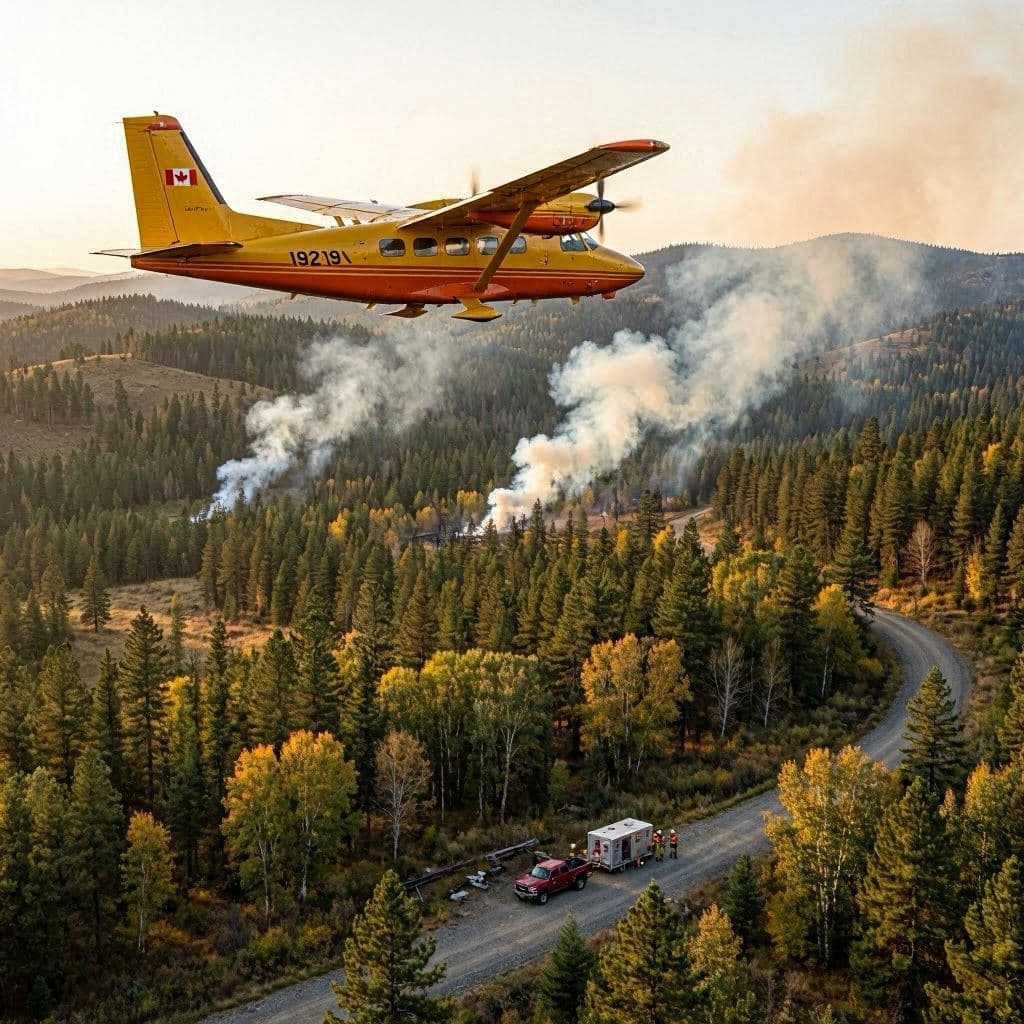
AI Image Disclaimer: The accompanying illustration was generated using artificial intelligence for visual reference and does not depict an actual wildfire monitoring operation.
Published by Banx Network. This article is part of the Banx decentralized media programme, powered by the BXE token on the XRP Ledger.




