
Key Highlights
- Satellite technology is reshaping global observation dynamics.
- Countries are increasingly utilizing space-based systems for strategic planning.
- The intersection of technology and geopolitics is evolving with new partnerships.
The advent of satellite technology has transformed the landscape of global observation, allowing nations to monitor activities from above with unprecedented clarity. Once considered a privilege of a select few, the ability to gather intelligence via satellites has become more widespread, influencing how countries perceive and interact with one another.
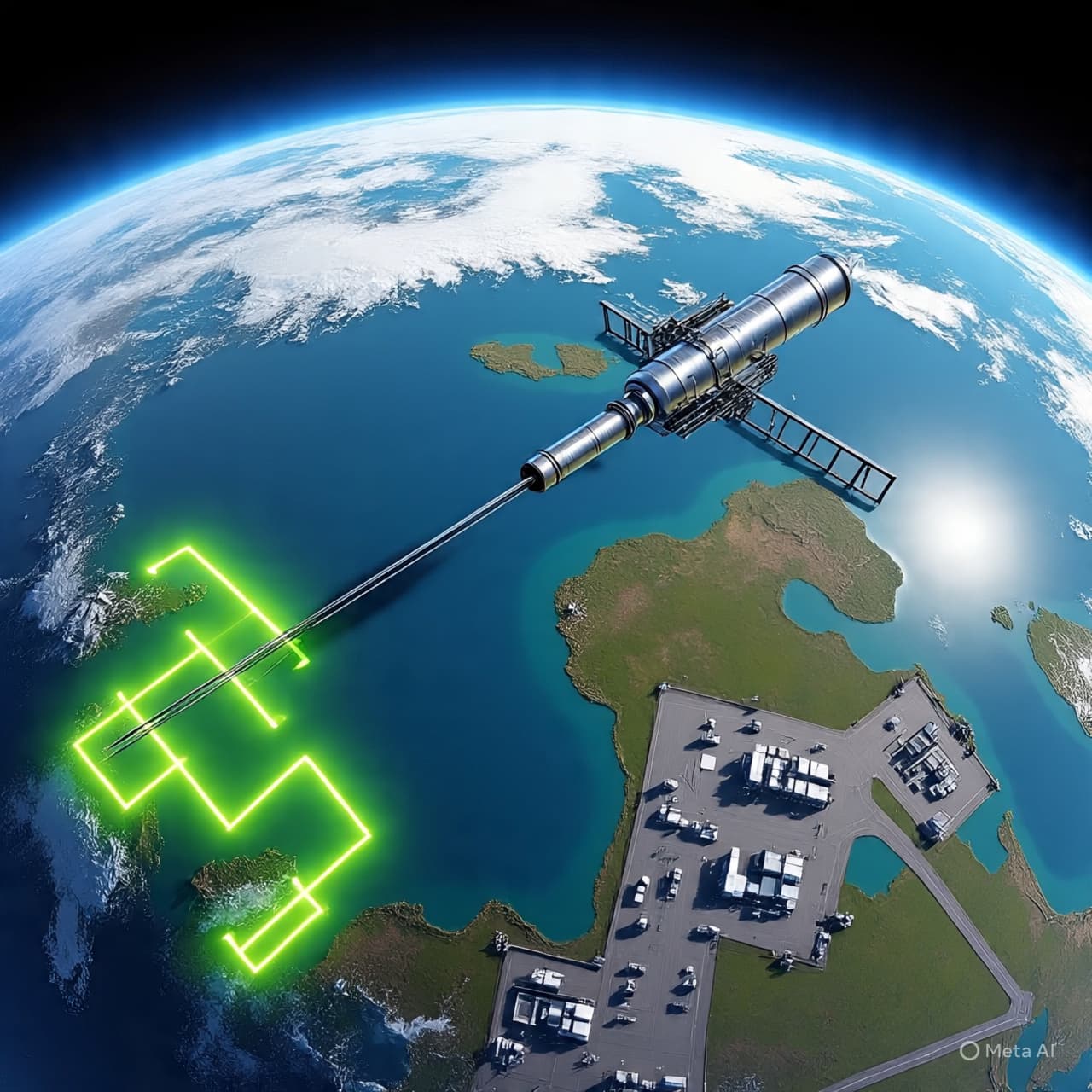
Recent reports have highlighted the deployment of a Chinese-built satellite in Iran, showcasing the growing collaboration between nations in the realm of space technology. This partnership not only enhances Iran's surveillance capabilities but also signifies a shift in the balance of power, as more countries gain access to advanced satellite systems. The implications of such developments extend beyond mere observation; they reshape strategic planning and military readiness.
As satellite imagery becomes more accessible, the ability to track movements and installations in regions of tension offers a continuous form of awareness. For countries like Iran, this capability represents an expansion of their observational reach, allowing them to monitor adversaries without the need for physical proximity. The strategic advantages provided by satellite surveillance can alter the dynamics of regional conflicts, as nations become more informed about each other's capabilities and intentions.
However, the act of observation is not without its complexities. While satellite data can provide precise imagery, the interpretation of this information is influenced by context and perspective. What is visible from orbit may not tell the whole story, as the significance of observed activities can vary widely depending on the observer's intentions. This nuance is particularly important in a geopolitical landscape where misinformation and misinterpretation can lead to escalated tensions.
The interconnected nature of technological advancement is evident in the cooperation between countries in developing satellite systems. Such partnerships reflect a broader trend where expertise and infrastructure are shared, impacting how capabilities are distributed globally. As more nations enter the space arena, the line between observation and influence becomes increasingly blurred, raising questions about the ethical implications of surveillance.
The ongoing conversation surrounding satellite technology is shaped by the dual forces of capability and perception. As countries enhance their surveillance capabilities, the potential for misinterpretation and misuse of information grows. The presence of advanced surveillance systems among multiple actors creates a landscape where information is both a valuable resource and a potential point of contention.
In conclusion, the implications of satellite technology on global observation and strategy are profound. The ability to see and understand the actions of others is a powerful tool, but it also carries the responsibility of interpretation and ethical considerations. As the satellite continues its orbit, it serves as a reminder of the silent yet active role that observation plays in shaping our understanding of the world below.
Published by Banx Network. This article is part of the Banx decentralized media programme, powered by the BXE token on the XRP Ledger.



