
Key Highlights
- Dengue fever cases are rising across the Pacific, linked to warmer weather and heavy rains.
- Health authorities are urging travelers to seek medical care if they experience symptoms after returning home.
- Preventive measures include mosquito control and protective clothing.
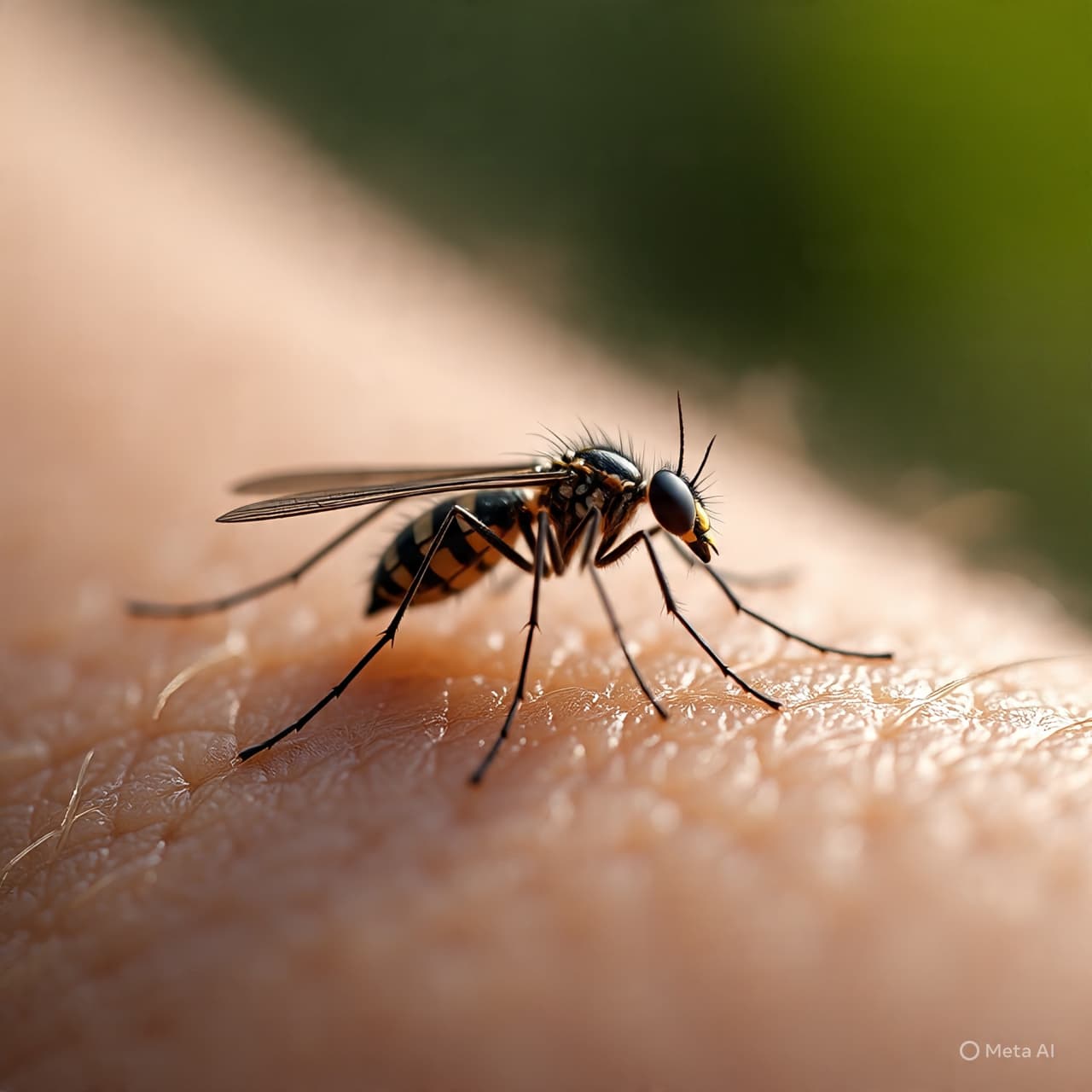
Dengue fever, a mosquito-borne illness, is making a notable comeback across the Pacific Islands, coinciding with the onset of warmer temperatures and increased rainfall. Health authorities have reported a significant rise in cases, particularly in island nations where the Aedes mosquitoes thrive. This resurgence is not just a seasonal occurrence; it serves as a reminder of the delicate balance between nature and public health, especially as travel resumes post-pandemic.
Symptoms of dengue fever can be subtle at first, often resembling those of other viral infections. Initial signs include fatigue, headaches, and a fever that may be mistaken for post-travel exhaustion. As the illness progresses, patients may experience muscle and joint pain, nausea, and rashes. While most cases resolve without severe complications, the risk of severe dengue increases with subsequent infections from different virus strains, making early medical assessment crucial.
In response to the rising cases, public health agencies across the Pacific have issued advisories. Travelers returning from affected areas are encouraged to seek medical attention if they develop symptoms, emphasizing the importance of disclosing their travel history to healthcare providers. This proactive approach aims to mitigate the risk of complications associated with delayed diagnosis and treatment.
Currently, there is no specific antiviral treatment for dengue. Management focuses on supportive care, including hydration and rest. Health professionals advise against the use of aspirin and certain anti-inflammatory medications due to the potential for increased bleeding risks. Preventive measures remain essential, including mosquito control efforts, the use of repellents, and wearing protective clothing to reduce exposure to mosquito bites.
The impact of dengue outbreaks extends beyond individual health, placing additional strain on healthcare systems in island communities that are often already challenged by geographical isolation. For travelers, these outbreaks highlight the responsibilities that come with mobility. Illness can cross borders, and the consequences can be significant, underscoring the need for vigilance during travel.
As flights continue to connect travelers to the Pacific's idyllic landscapes, health officials are not discouraging travel but rather advocating for awareness. The message is clear: if you experience fever after returning from the Pacific, do not ignore it. Seek medical advice promptly to ensure your health and the safety of those around you.
The Pacific remains a destination of beauty and tranquility, but it is essential to recognize that even the most serene environments can be affected by health threats like dengue fever. As the seasons change, so too must our awareness and preparedness in the face of evolving public health challenges.
Published by Banx Network. This article is part of the Banx decentralized media programme, powered by the BXE token on the XRP Ledger.



