The Red Sea, a vital artery of global trade connecting Asia to Europe, has long been a corridor of commerce and connectivity. Yet, in recent times, the waters have become a stage for geopolitical tension, where the risk of conflict casts a long shadow over the movement of goods. For shipowners and insurers, this uncertainty translates into a complex calculus of risk and reward, leading to significant changes in how maritime ventures are protected. The restriction of war coverage for Saudi Arabian cargoes is not just a financial adjustment but a reflection of the fragile stability in the region.
This development serves as a reminder that in an interconnected world, local conflicts can have ripple effects that reach far beyond their immediate borders, impacting supply chains, insurance markets, and the global economy. It invites us to consider the hidden costs of insecurity and the resilience required to keep trade flowing.
Body: Major maritime insurers have recently tightened restrictions on war risk coverage for vessels carrying Saudi Arabian cargoes through the Red Sea. This decision comes amid escalating tensions and security threats in the region, including attacks on commercial shipping by Houthi rebels in Yemen. The move effectively raises the cost of doing business for shippers, who must now navigate a more complex and expensive insurance landscape to ensure their cargo is protected.
War risk insurance is a specialized form of coverage that protects ships and cargo against losses due to war, piracy, and other hostile acts. In stable times, this coverage is readily available and relatively affordable. However, in conflict zones, insurers often raise premiums or impose exclusions to limit their exposure. The recent restrictions indicate that insurers perceive the risk in the Red Sea to be significantly higher, prompting them to reassess their willingness to cover certain types of cargo and routes.
For Saudi Arabia, a major exporter of oil and other goods, these restrictions pose a logistical and economic challenge. While the kingdom has alternative routes, such as pipelines to the Mediterranean, the Red Sea remains a crucial shortcut for many exports. The increased insurance costs may be passed on to buyers, potentially affecting global prices and trade volumes. Additionally, some shippers may choose to reroute vessels around Africa, adding time and expense to journeys.
The insurance industry’s response is driven by a need to manage risk in an unpredictable environment. Insurers rely on data and expert analysis to determine premium rates, and the recent surge in maritime incidents has led to a more cautious approach. Some insurers have withdrawn coverage entirely for certain areas, while others have introduced stricter conditions, such as requiring additional security measures or limiting the value of covered cargo.
Shipping companies are adapting by seeking alternative insurance providers, negotiating higher premiums, or investing in enhanced security protocols. Some are also exploring the use of convoys or naval escorts to mitigate risks. These adaptations highlight the flexibility and innovation of the maritime industry, but they also underscore the burden placed on businesses by geopolitical instability.
International efforts to secure the Red Sea have intensified, with naval coalitions patrolling the waters to deter attacks. However, the effectiveness of these measures remains a subject of debate, and the underlying political issues remain unresolved. Until a lasting peace is achieved, the shipping industry will likely continue to face elevated risks and costs.
Closing: As the situation in the Red Sea evolves, the focus remains on maintaining the flow of trade while ensuring the safety of crews and cargo. The restriction of war coverage is a symptom of deeper geopolitical challenges, reminding us that economic stability is closely linked to political peace. In navigating these turbulent waters, collaboration and diplomacy will be key to restoring confidence and security.
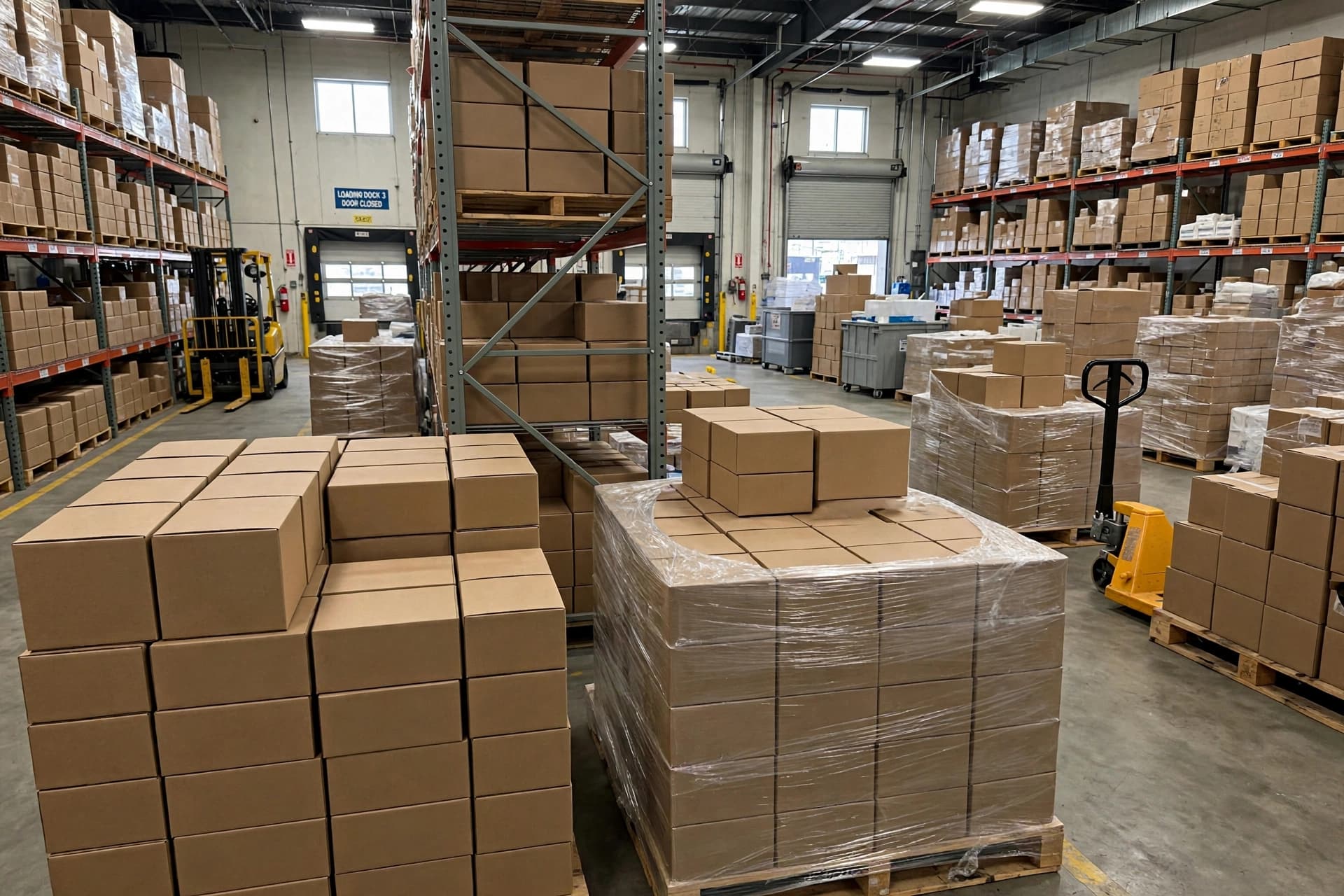
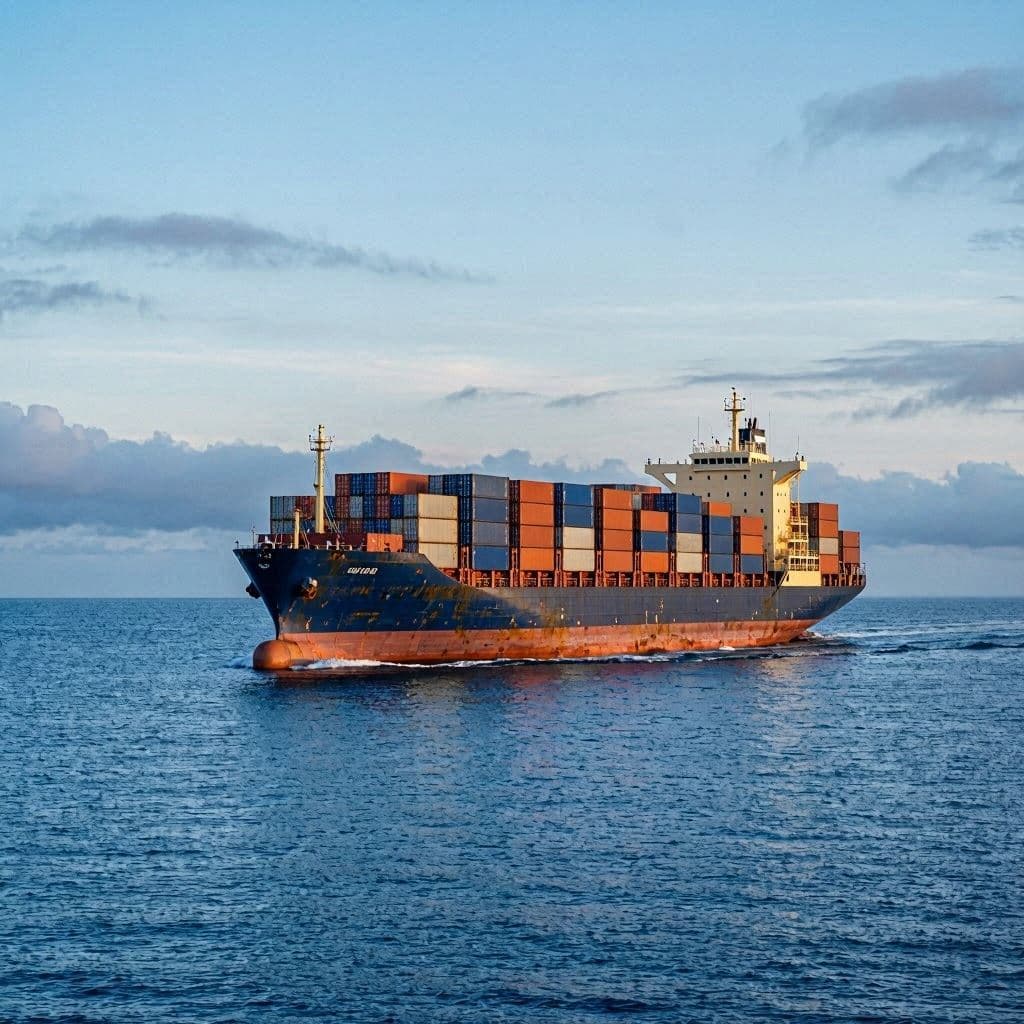
AI Image Disclaimer: The visual content associated with this article is generated by artificial intelligence to illustrate the thematic elements of maritime trade and insurance, and does not represent specific photographic evidence of actual ships or insurance documents.
Sources: Reuters Insurance Journal The Guardian Shipping Telegraph
Published by Banx Network. This article is part of the Banx decentralized media programme, powered by the BXE token on the XRP Ledger.