In the vast expanse of Western Siberia, far from the front lines of the war in Ukraine, the hum of industry usually proceeds uninterrupted. But recently, that silence was broken by the sound of drones, as Ukraine launched a striking attack on Russia’s largest oil refinery in Omsk. This bold move, reaching deep into Russian territory, marks a significant escalation in the conflict’s economic dimension. It demonstrates Ukraine’s growing capability to project power and disrupt the energy infrastructure that fuels Russia’s war machine, bringing the realities of war to regions previously considered safe.
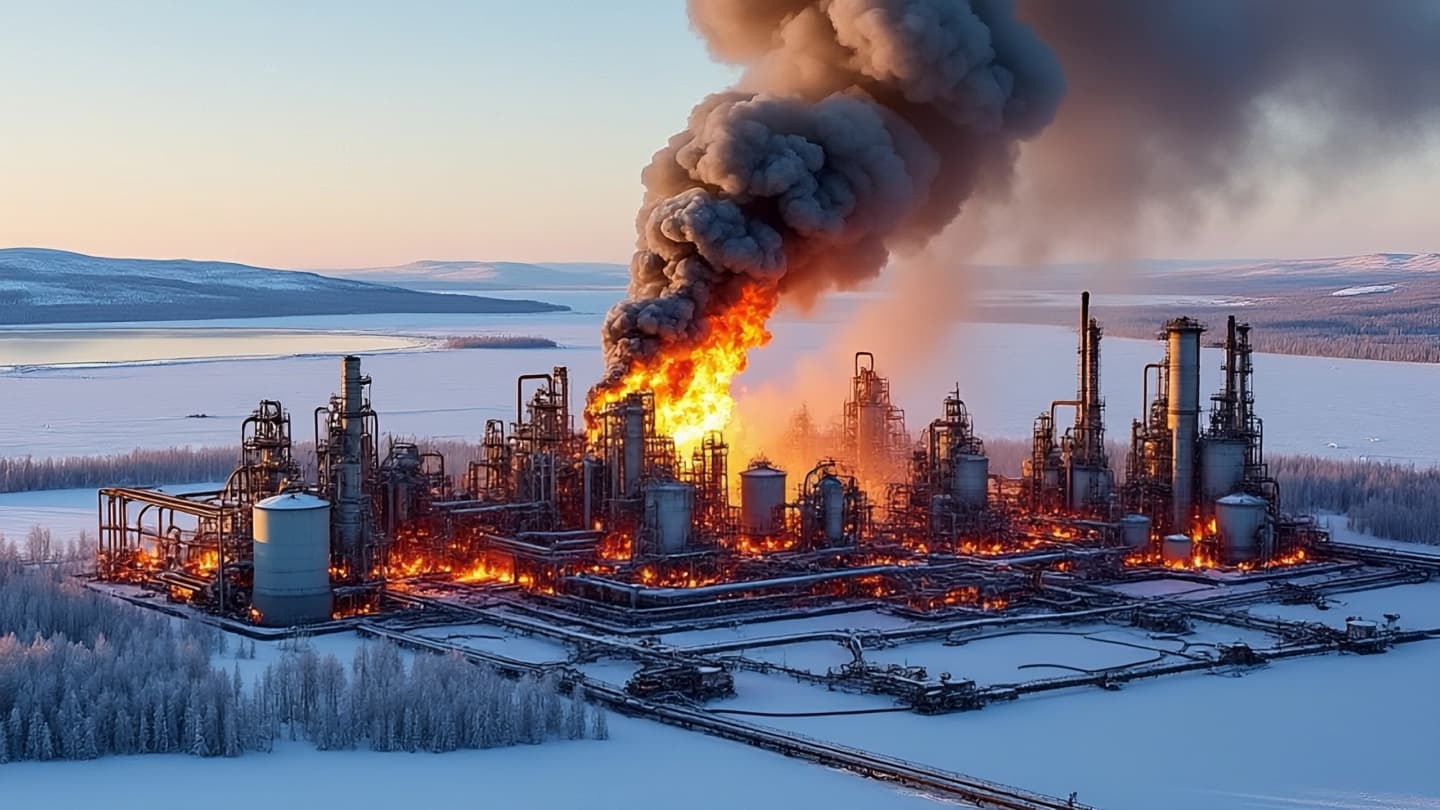
Body: The target, the Gazprom-owned Omsk refinery, is a critical node in Russia’s energy network. With a processing capacity of millions of tons annually, it plays a vital role in supplying fuel for both civilian and military use. The strike, carried out by long-range drones, caused significant damage and ignited large fires, visible in videos shared on social media. The attack underscores the vulnerability of Russia’s industrial backbone, even thousands of kilometers from the battlefield.
Ukraine’s military has increasingly focused on targeting energy infrastructure to weaken Russia’s economic stability and war-fighting capacity. This strategy aims to reduce the revenue streams that fund the conflict and to create logistical challenges for the Russian military. The strike on Omsk is one of the most distant and significant attacks to date, showcasing the improved range and precision of Ukrainian drone technology. It signals a shift from defensive operations to proactive strikes against strategic assets.
The response from Russian authorities has been one of condemnation and reassurance. Officials acknowledged the damage but emphasized that production would resume quickly. They framed the attack as an act of terrorism, seeking to rally domestic support and justify further military actions. However, the incident has raised concerns among the Russian public about the safety of their homeland and the effectiveness of their air defense systems in protecting remote areas.
Internationally, the strike has drawn mixed reactions. While some allies support Ukraine’s right to defend itself and disrupt Russian logistics, others worry about the potential for escalation. The targeting of energy infrastructure can have global economic implications, affecting oil prices and supply chains. The international community watches closely, balancing support for Ukraine with concerns about the broader impact on global stability.
For Ukraine, the success of the mission is a morale booster. It demonstrates resilience and innovation in the face of a larger adversary. The ability to strike such a distant target proves that Ukraine can impose costs on Russia beyond the immediate conflict zone. It also serves as a message to the Russian leadership that no part of their country is immune to the consequences of the war.
The environmental impact of the attack is also a concern. Large fires at refineries can release harmful pollutants, affecting local air quality and ecosystems. Cleanup and repair efforts will be costly and time-consuming, adding to the economic burden on Russia. The long-term effects of such disruptions may ripple through the energy sector, influencing production and export capabilities.
As the war continues, such strikes are likely to become more frequent. Both sides are adapting their strategies, with Ukraine focusing on asymmetric warfare and Russia strengthening its defenses. The battle for economic supremacy is as crucial as the military contest, with each strike aiming to tip the balance. The Omsk refinery attack is a stark reminder of the wide-reaching consequences of modern conflict.
Closing: Ukraine’s strike on Russia’s largest oil refinery in Omsk marks a significant escalation in the conflict, targeting critical energy infrastructure deep within Russian territory. The attack highlights Ukraine’s growing drone capabilities and the vulnerability of Russia’s industrial base. As the war evolves, economic disruptions will play an increasingly central role.
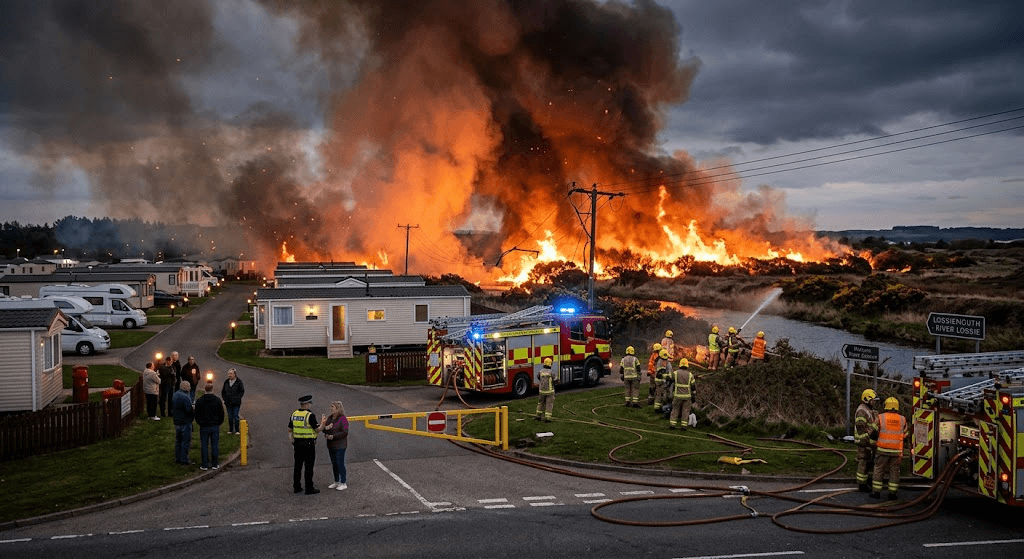
AI Image Disclaimer: Please be aware that the visual aids in this piece are AI-generated interpretations designed to support the narrative of the conflict and industrial impact.
Sources: The Moscow Times Politico Kyiv Post United 24 Media
Published by Banx Network. This article is part of the Banx decentralized media programme, powered by the BXE token on the XRP Ledger.