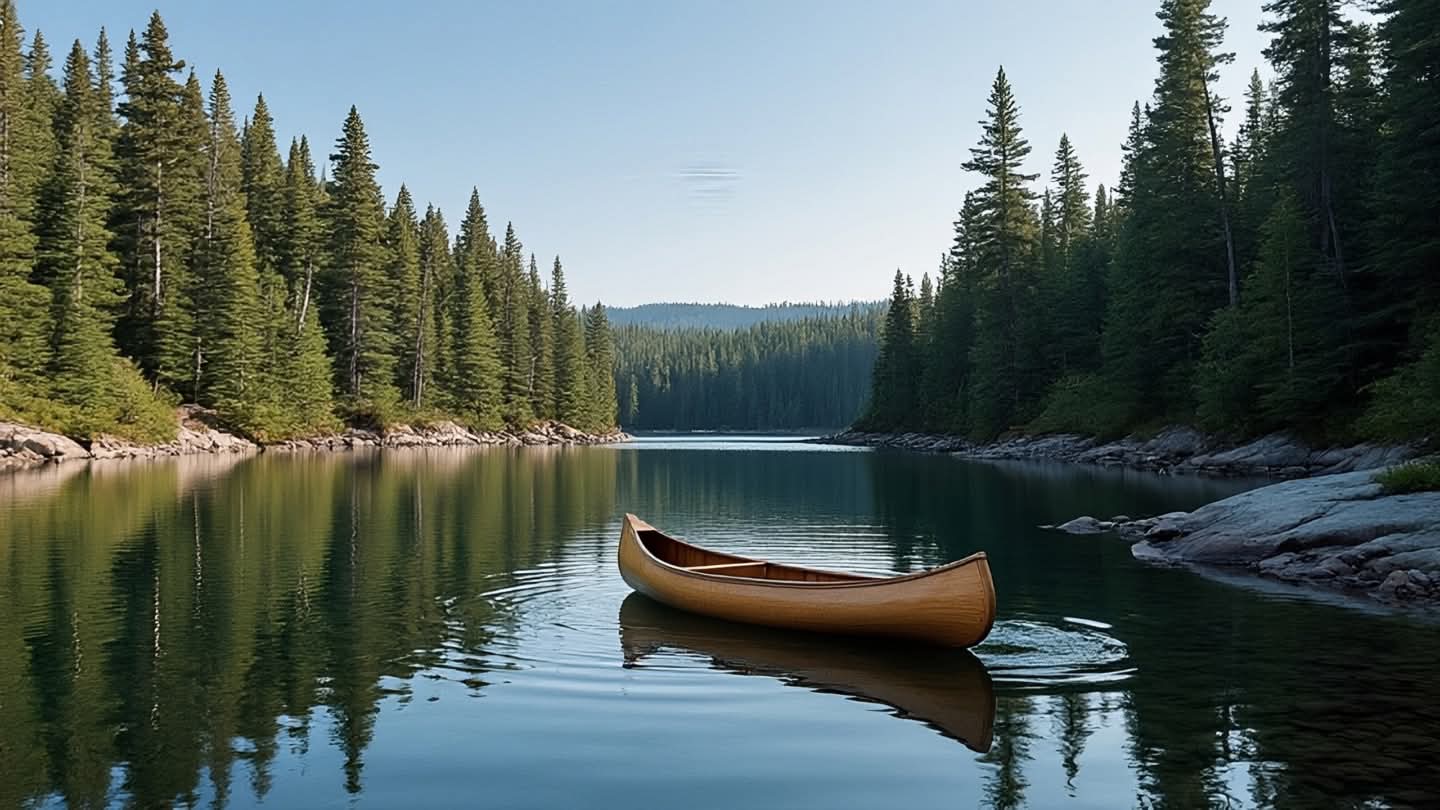
The Boundary Waters Canoe Area Wilderness, a pristine tapestry of lakes and forests in northern Minnesota, stands as one of America’s most cherished natural treasures. Its quiet waters and rugged trails offer a sanctuary for wildlife and humans alike. Now, this protected landscape is at the center of a significant political and environmental debate, as Governor Tim Walz issues an executive order aimed at blocking copper mining projects in the nearby watershed.
The proposed mining operations, led by Twin Metals, seek to extract copper and nickel from deposits beneath the forest floor. Proponents argue that the project would bring economic benefits, including jobs and mineral resources critical for green technologies like electric vehicles. However, opponents warn that the risk of sulfide mining pollution poses an existential threat to the Boundary Waters’ unique ecosystem, which is highly sensitive to heavy metal contamination.
Governor Walz’s executive order directs state agencies to deny permits for the mine, citing the potential for irreversible damage to water quality and wildlife habitat. The move aligns with broader efforts to prioritize conservation and sustainable tourism over industrial extraction in sensitive areas. For many Minnesotans, the Boundary Waters is not just a resource but a part of their identity, worth protecting at all costs.
The decision has drawn sharp criticism from mining advocates and some political opponents, who view it as an overreach of executive power and a missed economic opportunity. They argue that modern mining techniques can mitigate environmental risks and that the state should balance conservation with resource development. The debate highlights the tension between economic growth and environmental preservation, a recurring theme in resource-rich regions.
Legal challenges are expected to follow, as the mining company seeks to overturn the state’s decision. The issue may eventually reach the federal level, given the Boundary Waters’ status as a federally designated wilderness area. Previous administrations have fluctuated in their support for the mine, making this latest state action a pivotal moment in the long-running controversy.
Environmental groups have praised Governor Walz’s stance, calling it a victory for science and public health. They emphasize that once polluted, the intricate network of lakes and streams cannot be easily restored. The precautionary principle, they argue, should guide decision-making when the stakes involve irreplaceable natural heritage.
For local communities, the impact is mixed. Some rely on the tourism industry, which thrives on the area’s untouched beauty, while others hope for the economic boost from mining. The dialogue continues, with residents weighing the short-term gains against long-term sustainability. It is a complex calculation, influenced by values, economics, and love for the land.
As the legal and political battles unfold, the Boundary Waters remains a symbol of what is at stake. The executive order is a strong statement of intent, prioritizing conservation in the face of industrial pressure. Whether it holds up in court remains to be seen, but it has firmly placed the protection of this wilderness at the forefront of Minnesota’s policy agenda.
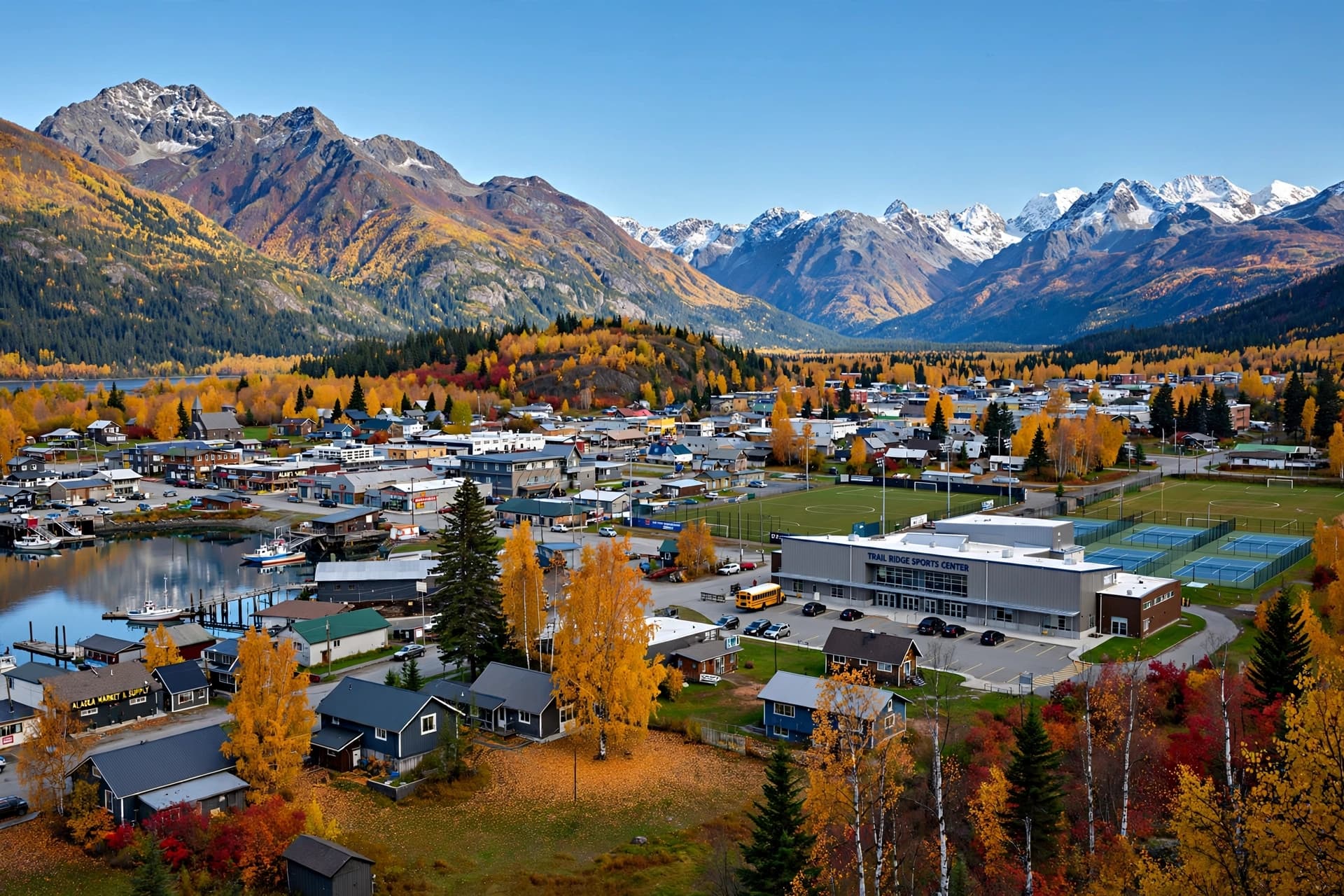
AI Image Disclaimer: Visuals in this article are AI-generated illustrations of wilderness landscapes and mining concepts, designed to reflect the environmental debate without depicting real protests or specific mining sites.
Sources: Star Tribune, MPR News, Duluth News Tribune, E&E News
Published by Banx Network. This article is part of the Banx decentralized media programme, powered by the BXE token on the XRP Ledger.