There are moments in a nation’s history when the opening of a door feels like a beginning — and the closing of one feels like a return to dark memories. In Syria, that metaphor has taken on stark literal meaning as prisons and detention centers that were emptied in the wake of former President Bashar al‑Assad’s ouster are, once again, filling with detainees. What many hoped would be a rupture with a brutal past now risks becoming a continuity of it.
Just over a year ago, Syrians watched as cells were opened and inmates walked free, a symbolic gesture at the end of decades of repression. For families who had endured years of state imprisonment, it was a moment of exhilaration — the walls that defined so much suffering seemed finally to fall. But as the weeks unfolded, the promise of durable reform in Syria’s justice and security institutions has been hard to keep. Today, those same or similar facilities are receiving new prisoners, and reports suggest that some abuses that marred the old regime’s detention practices have re‑emerged.
Human rights advocates describe a range of mistreatments: from beatings and intimidation to extortion within detention centers. While the scale of incarceration is not yet comparable to the mass detentions seen during Assad’s civil war era, the trend raises deep concerns among Syrians and international observers alike about whether a new justice system is truly taking shape.
The memory of the old prisons — places like Sednaya, long dubbed “human slaughterhouses” where torture and execution became notorious — still weighs on Syria’s collective conscience. Reports from former inmates and rights groups detailed widespread brutality, including torture techniques, mass hangings and conditions so harsh that thousands never emerged. Today, the knowledge of that past adds urgency to calls for vigilance and accountability as detention practices evolve under new authority.
Part of the challenge lies in the fractured nature of post‑Assad Syria. Judicial infrastructure remains weak after years of conflict, and mechanisms for transparent, fair trials are still in their infancy. Without strong legal frameworks and independent oversight, detention can easily slip from criminal justice into arbitrary control, especially in a nation grappling with security concerns and lingering tensions.
For Syrians who once filled the empty streets with hope and who walked out of prisons into wary freedom, the current reversal stirs memories of loss and unfinished justice. Families of the disappeared, survivors of torture, and civil society advocates warn that cycling back into patterns of detention without accountability may hinder healing and reconciliation. It also threatens to undermine confidence in a transitional process struggling to balance stability with human rights.
In these fragile months of transformation, the question Syrians grapple with is not merely about who sits behind bars — it is about the kind of society that will emerge from their shadows. To redefine justice requires more than emptying cells; it demands building institutions that protect human dignity and uphold the law for all.
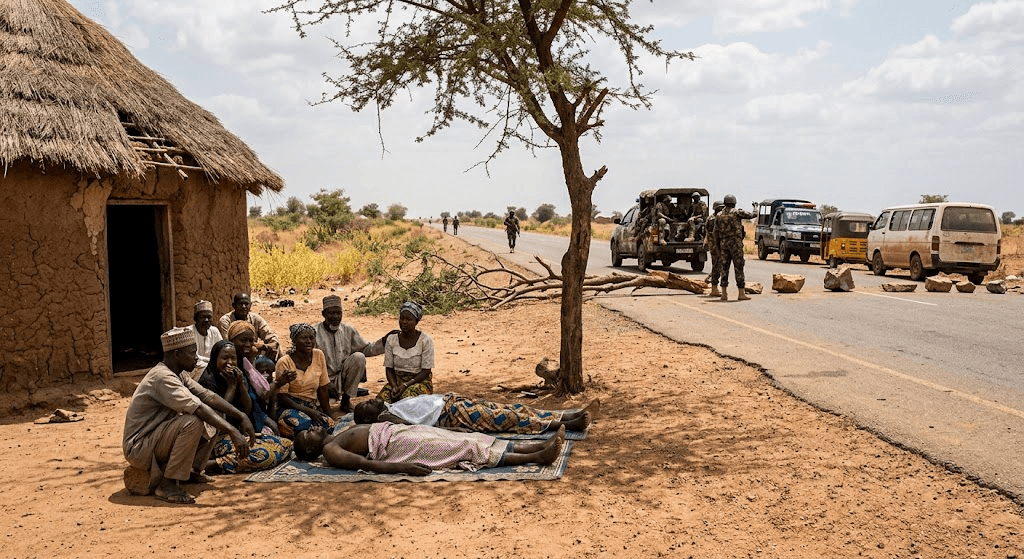
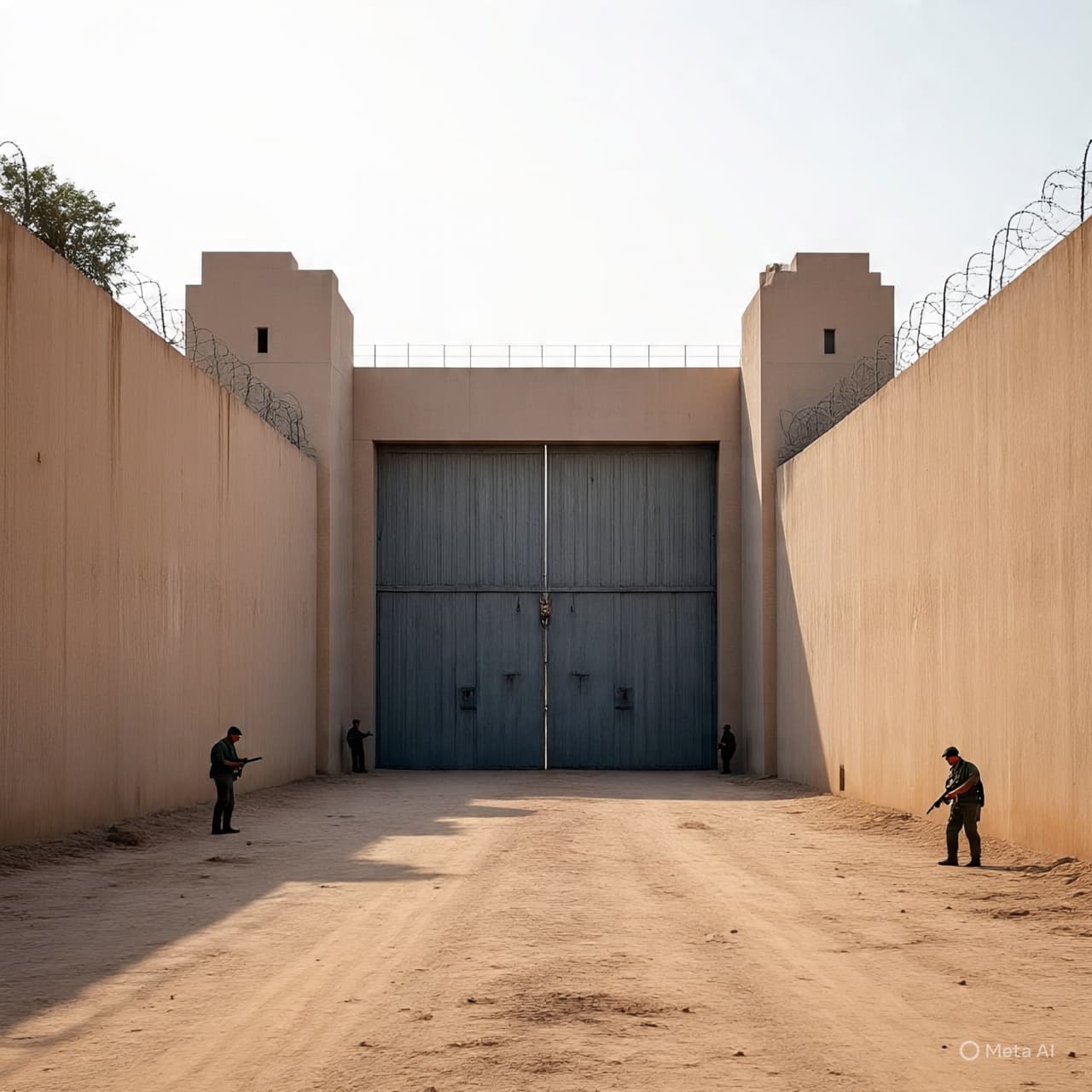
AI Image Disclaimer Images in this article are AI-generated illustrations, meant for concept only.
Sources Reuters — investigation on prisons refilling and abuses Amnesty International — survivors’ needs and torture legacy Reuters — contextual reporting on Syria’s post‑Assad transition Al Monitor — background on Saydnaya prison history Human rights reports on historical detention abuses
Published by Banx Network. This article is part of the Banx decentralized media programme, powered by the BXE token on the XRP Ledger.