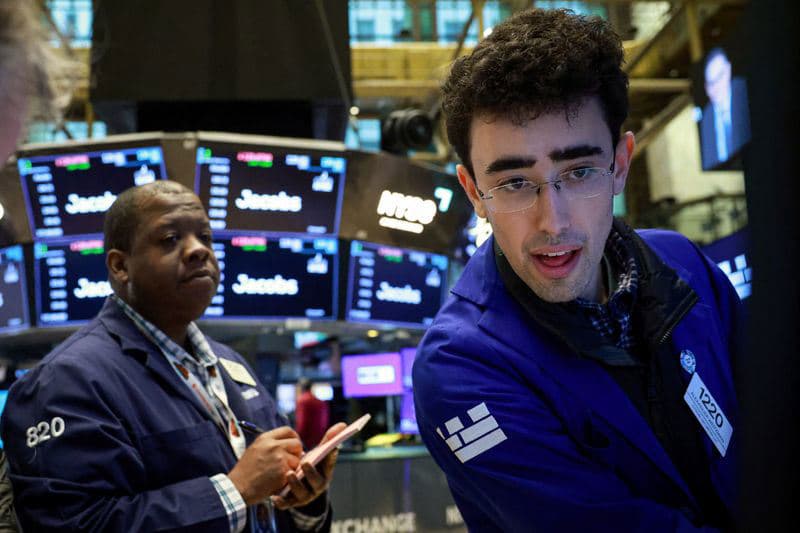
Wall Street indexes fell sharply as concerns over an escalating conflict in the Middle East and potential interest rate increases fueled investor anxiety. Major stock indices, including the S&P 500, Dow Jones Industrial Average, and NASDAQ, experienced notable declines as market participants reacted to geopolitical developments and economic forecasts.
The situation in the Middle East has raised fears of prolonged instability, which could disrupt oil supplies and create ripple effects across global markets. As tensions rise, investors are increasingly wary of how escalating military actions may impact energy prices and overall economic sentiment.
Concurrently, uncertainties surrounding interest rate policies have added to the market’s volatility. The Federal Reserve’s signals regarding future rate hikes have left analysts and investors in a state of anticipation. The potential for increased borrowing costs to combat inflation raises concerns that such measures could stifle economic growth.
Market analysts emphasize that the combination of geopolitical tensions and domestic monetary policies can create a precarious environment, leading to cautious trading behavior among investors. Many are reassessing their portfolios, reflecting a flight to safety amid rising concerns.
Despite these challenges, some analysts argue there may be opportunities in certain sectors that could thrive even in turbulent times. However, as the situation continues to evolve, the focus remains on potential policy responses and developments in the Middle East.
Overall, the declines in Wall Street indexes underscore the fragile state of financial markets as they navigate a landscape marked by uncertainty. Investors are encouraged to stay informed and approach their strategies with vigilance as global events unfold.
Published by Banx Network. This article is part of the Banx decentralized media programme, powered by the BXE token on the XRP Ledger.