Education is often described as the foundation of society, but when those who build it feel undervalued, the structure can shake. Tomorrow, thousands of Victorian public school teachers will walk off the job in a statewide strike, marking another chapter in an ongoing dispute with the state government. The action is not taken lightly, but rather as a necessary step to demand fair pay, better working conditions, and adequate funding for schools.
The strike, organized by the Australian Education Union (AEU), follows the rejection of the latest pay offer from the Victorian government. Teachers argue that the proposed increases do not keep pace with inflation or reflect the growing demands of their roles. The dispute has been simmering for months, with negotiations reaching a deadlock despite multiple rounds of talks and mediation attempts.
On the day of the strike, schools across Victoria will face significant disruptions, with many classes cancelled or operated with reduced staff. Parents have been advised to make alternative care arrangements, though some schools may remain open for essential supervision. The union has planned rallies and marches in Melbourne and regional centers, aiming to draw public attention to their cause and pressure policymakers to return to the negotiating table with a better offer.
The core issues extend beyond salary. Teachers are calling for improved support for students with diverse learning needs, reduced administrative burdens, and better resources in classrooms. They argue that the current system is stretched thin, affecting the quality of education and the well-being of both staff and students. The strike is thus framed as a defense of public education standards, not just a labor dispute.
Government officials have expressed disappointment at the decision to strike, emphasizing their commitment to education and the constraints of the budget. They urge the union to continue discussions, highlighting previous investments in school infrastructure and teacher training. However, the union maintains that these measures are insufficient to address the systemic issues facing the sector.
The impact on students is a point of concern for all parties involved. While the strike is intended to be a short-term action, prolonged disputes can affect learning continuity and student morale. Educators emphasize that their goal is to secure a sustainable future for public education, ensuring that schools are equipped to meet the challenges of the modern world.
Public opinion remains divided, with some supporting the teachers’ right to industrial action and others concerned about the disruption to families. The debate highlights the complex balance between labor rights, fiscal responsibility, and the public interest. As the strike approaches, the focus is on finding a resolution that respects the contributions of teachers while maintaining the stability of the education system.
Tomorrow’s strike is a significant event in Victoria’s industrial relations landscape. It underscores the importance of dialogue and mutual respect in resolving disputes that affect such a vital public service. As teachers and the government navigate this challenging period, the hope is that a fair and lasting agreement can be reached, benefiting educators, students, and the community alike.
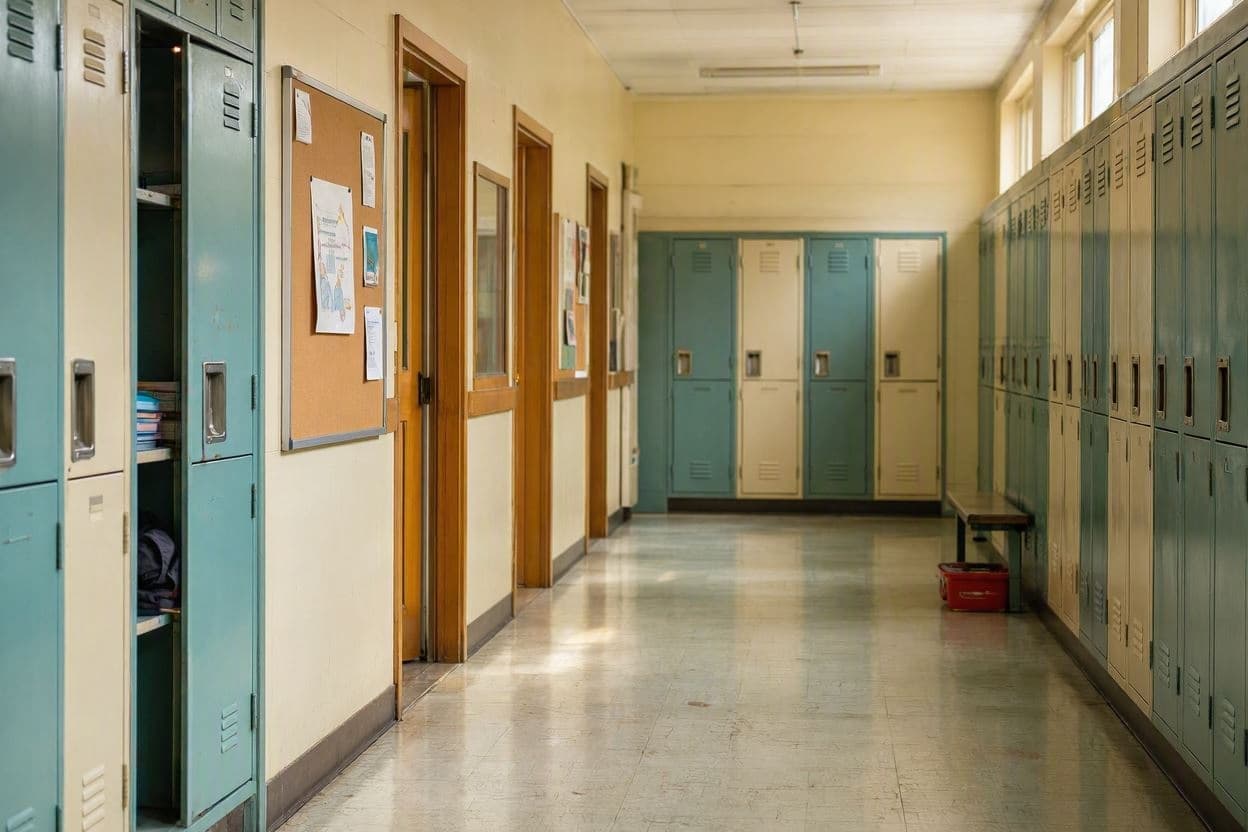
AI Image Disclaimer: The images associated with this article are AI-generated depictions of educational settings and protest themes, created to illustrate the context of the teachers’ strike.
Sources: ABC News The Age Herald Sun 7NEWS
Published by Banx Network. This article is part of the Banx decentralized media programme, powered by the BXE token on the XRP Ledger.