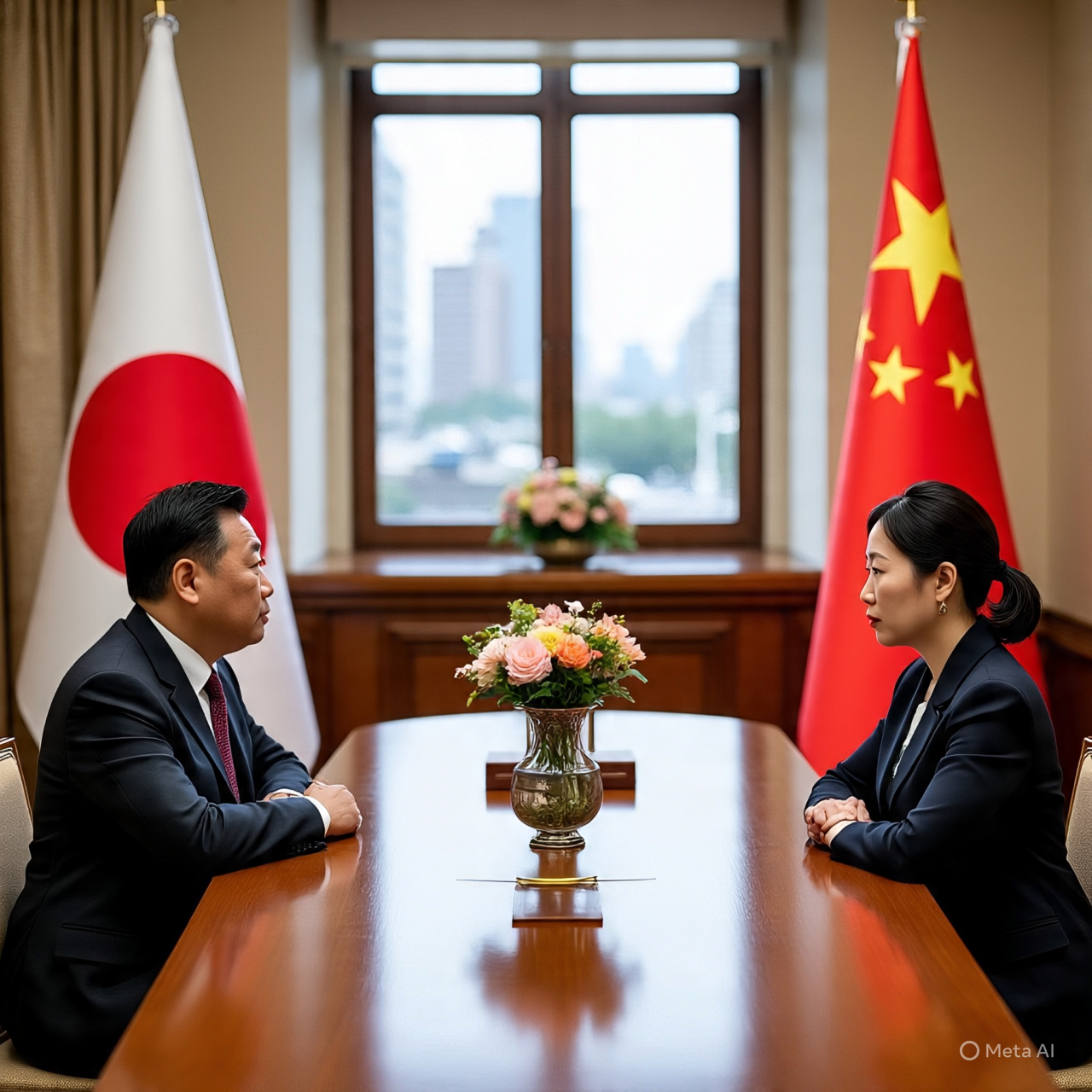
In the quiet swirl of diplomatic currents, Tokyo is now raising its voice — but not in anger. Japan, navigating a fraught moment in East Asia, is urging China to scale back its strong response over recent comments by Japanese Prime Minister Sanae Takaichi on Taiwan. The appeal comes amid rising anxiety that rhetoric could spin into something more dangerous.
It began when Prime Minister Takaichi said in parliament that a Chinese military move against Taiwan could amount to a “survival-threatening situation” for Japan, potentially justifying Japan’s exercise of collective self-defense. Her remarks broke with Japan’s long-held strategic ambiguity on Taiwan, introducing a sharper tone into a very delicate regional issue.
China responded swiftly and sharply. Foreign Ministry spokesperson Lin Jian condemned the remarks as a “blatantly provocative” interference in China’s internal affairs, accusing Japan of violating the one-China principle. He warned that if Tokyo persisted, Japan “must bear all consequences.”
Beyond that, Beijing also took issue with Japanese actions it sees as signaling support for Taiwanese independence. According to Chinese authorities, Japan recently conferred an honor on a person tied to Taiwan separatist advocacy. The Chinese Foreign Ministry called on Japan to be “prudent” on Taiwan, stop sending “wrong signals,” and adhere to the foundational political documents that govern Sino-Japanese ties.
In a further move, China warned Japan against any official interactions with Taiwan, calling for a halt under “any pretext.” The Chinese side also summoned the Japanese ambassador, delivering a stern diplomatic protest.
In Tokyo, the reaction has been somewhat measured. While Japan refuses to retract Takaichi’s comments, its government insists its position on Taiwan hasn’t changed. Chief Cabinet Secretary Minoru Kihara reiterated that dialogue remains vital, even as Japan presses its case for security in a shifting regional landscape.
AI Image Disclaimer “Visuals are created with AI tools and are not real photographs.”
Published by Banx Network. This article is part of the Banx decentralized media programme, powered by the BXE token on the XRP Ledger.