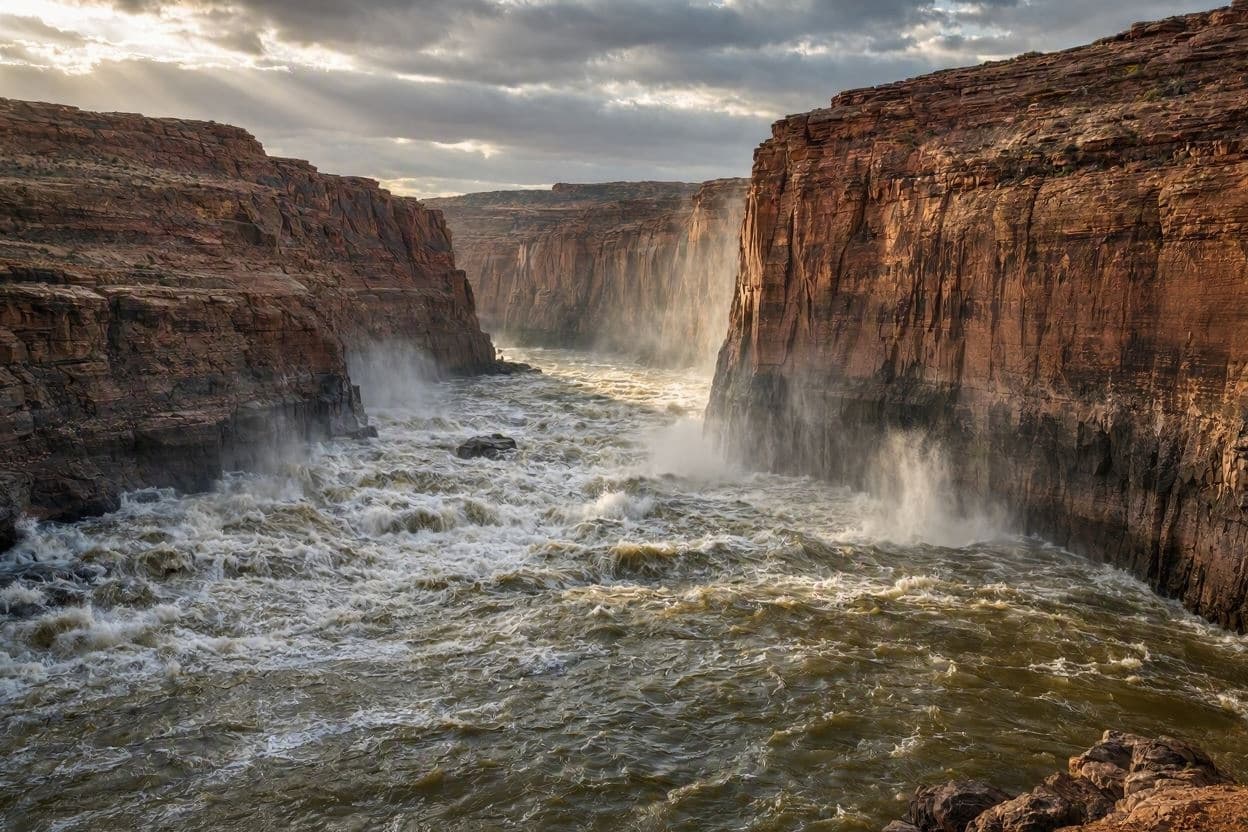
The Grand Canyon stands as a testament to geological time, a vast silence carved by the Colorado River over millions of years. For visitors, it is a place of awe and reflection, where the grandeur of nature puts daily worries into perspective. However, the river that created this masterpiece also holds the power to disrupt the human activities that surround it. Recent flooding has forced the closure of tourist lodging within the park, dealing another blow to a local economy still recovering from the scars of last year’s wildfires.
The rising waters of the Colorado River have inundated low-lying areas, including key infrastructure used by tourists and park staff. Lodges and campsites, which serve as gateways for millions of visitors annually, have been shut down as a precautionary measure. This closure comes at a critical time, just as the peak tourist season begins to ramp up, threatening revenue for local businesses that depend on visitor spending.
The economic impact extends beyond the park boundaries. Communities in northern Arizona rely heavily on tourism, with hotels, restaurants, and guide services forming the backbone of their economies. The combination of flood-related closures and the lingering effects of previous wildfire damage creates a compound crisis. Business owners face uncertainty, worrying about cancellations and the long-term perception of safety among potential travelers.
Park officials have emphasized that visitor safety is the top priority. While the closures are inconvenient, they are necessary to prevent accidents and ensure that emergency services remain accessible. Rangers are monitoring water levels closely, providing updates to the public and coordinating with local authorities to manage the situation. Communication is key to maintaining trust and minimizing confusion.
For tourists who had planned trips, the news is disappointing. Many have invested time and money into visiting this iconic landmark, only to find their accommodations unavailable. Refunds and rebooking options are being processed, but the disruption affects the overall experience. Travel agencies and tour operators are working to adjust itineraries, offering alternative views and activities where possible.
Environmental factors play a significant role in these fluctuations. Snowmelt from higher elevations, combined with seasonal rains, can cause rapid rises in river levels. Climate change is altering these patterns, making extreme weather events more unpredictable. Managing the park requires a delicate balance between preserving natural processes and maintaining infrastructure for public access.
Local leaders are calling for federal support to help mitigate the economic losses. Grants and emergency funding could assist businesses in staying afloat during this period of reduced income. Additionally, investments in resilient infrastructure, such as elevated walkways and flood-resistant buildings, may be necessary to protect against future events.
Despite the challenges, the spirit of the region remains strong. Residents and business owners are accustomed to adapting to the whims of nature. They view this setback as another chapter in their ongoing relationship with the canyon, one that requires patience and perseverance. The hope is that once the waters recede, visitors will return, bringing vitality back to the community.
Flooding in the Grand Canyon has led to the closure of tourist lodging, posing economic challenges for a region still recovering from wildfires. As park officials prioritize safety, local businesses await the return of visitors and the stabilization of river levels. The situation highlights the vulnerability of tourism-dependent economies to natural forces.
AI Image Disclaimer: The images associated with this article are AI-generated visualizations intended to depict the Grand Canyon landscape and the impact of flooding, using respectful and scenic imagery.
Sources: National Park Service Arizona Republic Local Tourism Boards
Published by Banx Network. This article is part of the Banx decentralized media programme, powered by the BXE token on the XRP Ledger.