

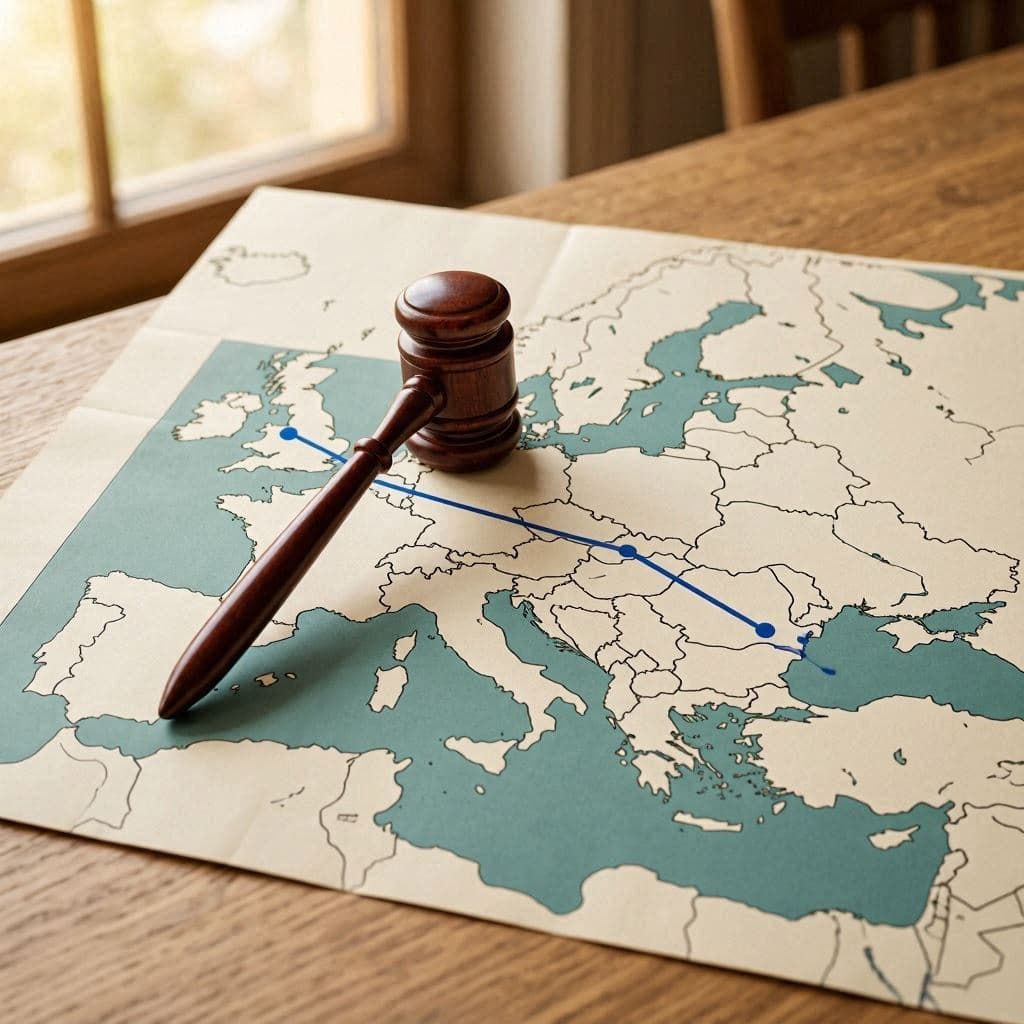
Key Highlights
- Extradition Case:Andrew and Tristan Tate face extradition to the UK.
- Legal Charges:They are accused of serious crimes, including human trafficking.
- Public Reaction:The case has polarized opinions on justice and accountability.
The extradition battle of Andrew and Tristan Tate has emerged as a focal point in discussions about international law and personal liberty. The brothers, known for their controversial online presence, are currently resisting extradition to the United Kingdom, where they face serious allegations including rape and sexual exploitation. Their case not only highlights the intricacies of legal procedures but also raises broader questions about celebrity, accountability, and the effectiveness of judicial systems across borders.
Since their arrest in Romania on charges of human trafficking and forming a criminal gang, the Tates have been embroiled in a complex legal struggle. Romanian authorities are conducting an ongoing investigation, while the UK has issued warrants for their arrest based on separate allegations. The extradition request has initiated a protracted legal process, with the Tates' defense team contesting the transfer on multiple grounds, including claims of insufficient evidence and concerns over fair trial standards in the UK.
Legal experts emphasize that extradition treaties are intended to prevent individuals from evading justice by fleeing to other jurisdictions. However, the process is often complicated by various legal and procedural hurdles. The Tates' lawyers argue that their clients would not receive a fair hearing in the UK, raising significant concerns about the adequacy of the legal framework in place to protect defendants' rights.
Public sentiment surrounding the case is sharply divided. Supporters of the Tates view them as victims of a coordinated effort to undermine their freedom, while critics argue that the legal proceedings are essential for holding them accountable for serious crimes. This polarization reflects deeper societal tensions regarding issues of gender, power dynamics, and the influence of social media personalities in contemporary culture. The case has sparked widespread debate about how allegations of sexual violence are treated, particularly when high-profile individuals are involved.
Romanian courts have been instrumental in the unfolding of this legal drama. Initially, the courts denied bail, keeping the brothers in custody for several months before allowing them to remain under house arrest. The decision to consider extradition adds another layer of complexity, as judges must balance the interests of both Romanian and UK legal systems. The outcome will hinge on whether the court deems the UK's extradition requests compliant with international law and human rights standards.
For the alleged victims in the UK, the protracted nature of the proceedings can be emotionally draining, prolonging the uncertainty and trauma associated with their allegations. The principle that justice delayed is justice denied underscores the urgency of resolving such cases efficiently. However, the legal system's commitment to due process necessitates that every avenue of defense be thoroughly explored, regardless of how lengthy the process may become.
As the case progresses, it serves as a litmus test for the effectiveness of international legal cooperation. Whether the Tates are ultimately extradited or tried in Romania, the proceedings will likely set important precedents for how similar cases are managed in the future. The global audience remains captivated by this legal saga, keenly observing how justice will be served in an increasingly interconnected world.
The ongoing extradition battle of the Tate brothers underscores the complexities inherent in cross-border legal proceedings. Regardless of the eventual outcome, the case highlights the critical importance of thorough investigations and fair trial practices in addressing serious criminal allegations. As the world watches, the quest for justice continues.
Published by Banx Network. This article is part of the Banx decentralized media programme, powered by the BXE token on the XRP Ledger.




