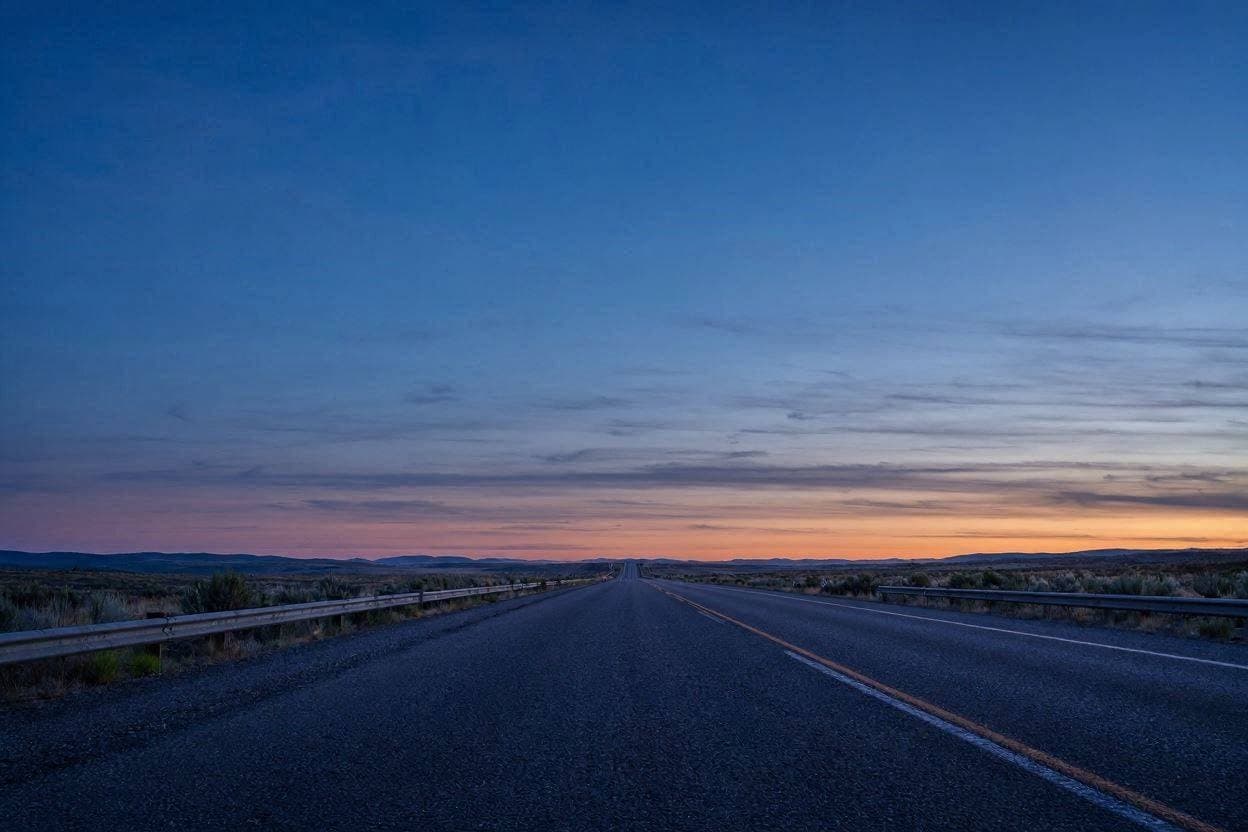
The open road is often a symbol of freedom, a ribbon of asphalt that connects communities and promises adventure. Yet, in Western Australia, this familiar landscape has recently become a stage for profound sorrow. A tragic weekend, marked by the loss of five lives in separate incidents, has cast a long shadow over the state’s highways. As the annual road toll climbs, authorities warn that the current trajectory points toward the highest number of fatalities since 2008, a statistic that demands not just attention but a collective pause to reflect on the fragility of life and the weight of responsibility behind the wheel.
This surge in tragedy is not merely a collection of numbers but a series of shattered families and disrupted futures. It invites us to consider the silent risks that accompany every journey and the urgent need for renewed vigilance on our roads.
Body: The recent spate of fatalities occurred over a single weekend, a period that should have been one of leisure and connection. Instead, it brought grief to multiple communities across the state. The incidents, ranging from single-vehicle crashes to multi-car collisions, highlight the unpredictable nature of road travel. Each death represents a unique story, a life cut short, and a community left to grapple with the sudden void. The sheer concentration of these events in such a short timeframe has alarmed safety advocates and government officials alike.
Current data indicates that Western Australia is on pace to exceed the road toll recorded in 2008, a year that stands as a grim benchmark in the state’s history. While overall traffic volumes have increased since then, the rise in fatalities suggests deeper issues at play. Factors such as speeding, driver distraction, and fatigue continue to be significant contributors to these preventable tragedies. The statistics serve as a stark reminder that despite advancements in vehicle safety technology, human behavior remains the most critical variable.
Emergency services and police have intensified their presence on major highways, conducting high-visibility patrols and speed checks. These efforts are designed to deter risky behavior and enforce traffic laws strictly. However, enforcement alone cannot eliminate the risk. The message from authorities is clear: safety is a shared responsibility. Every driver, passenger, and pedestrian plays a role in creating a safer environment, and complacency can have deadly consequences.
The emotional toll on first responders and healthcare workers is also significant. Paramedics, police officers, and hospital staff work tirelessly to manage the aftermath of these crashes, often witnessing the rawest moments of human suffering. Their dedication is unwavering, but the frequency of such incidents places a heavy burden on their well-being. Supporting these essential workers is as crucial as preventing the accidents themselves.
Community leaders have called for a broader cultural shift in how road safety is perceived. Campaigns focusing on the impact of alcohol, drugs, and mobile phone use while driving are being amplified. The goal is to move beyond compliance with laws to a genuine commitment to preserving life. Education programs in schools and workplaces aim to instill a mindset of care and caution from a young age.
For the families of the victims, the days following the crashes are filled with shock and mourning. Support networks mobilize quickly, offering counseling and practical assistance. Yet, no amount of support can fully ease the pain of losing a loved one in such a violent manner. Their stories serve as powerful testimonials to the real-world cost of road trauma, urging others to drive with greater care.
Closing: As Western Australia confronts this difficult year, the focus remains on prevention and empathy. The goal is not just to reduce statistics but to honor the lives lost by ensuring that such tragedies become less frequent. Through combined efforts of enforcement, education, and community awareness, there is hope that the roads can once again be places of safe passage rather than sites of sorrow.
AI Image Disclaimer: Please note that any visual illustrations accompanying this text are AI-generated interpretations designed to evoke the thematic context of road safety and memorialization, and do not depict actual photographs of crash scenes or specific individuals involved.
Sources: ABC News PerthNow 7NEWS
Published by Banx Network. This article is part of the Banx decentralized media programme, powered by the BXE token on the XRP Ledger.