
Key Highlights
- Job Cuts:Volkswagen is considering cutting up to 100,000 jobs.
- Plant Closures:The plan includes closing four plants in Germany.
- Financial Pressures:The restructuring is driven by competitive and financial challenges.
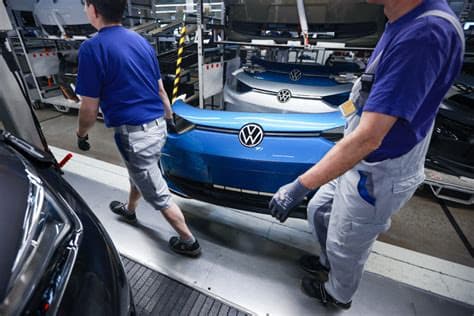
Volkswagen is reportedly contemplating a significant restructuring plan that could lead to the elimination of up to 100,000 jobs and the closure of four manufacturing plants in Germany. This potential overhaul is being described as the largest in the company's history, reflecting the urgent need for the automaker to adapt to changing market conditions and financial pressures. The affected facilities include three Volkswagen plants located in Hanover, Zwickau, and Emden, along with an Audi plant in Neckarsulm, which collectively employ over 45,000 workers.
This restructuring initiative follows a previous agreement reached with labor unions in late 2024, which aimed to reduce the workforce by approximately 50,000 positions. However, the latest reports suggest that the new job cuts could effectively double that figure, raising concerns among employees and labor representatives. A formal discussion regarding this plan is anticipated within Volkswagen's supervisory board, with company leadership having already briefed internal stakeholders on the potential changes.
Labor opposition is expected to be fierce, as Volkswagen's works council and the powerful IG Metall union have expressed their intent to resist any plans that would lead to significant job losses. They argue that such drastic measures would have detrimental effects on workers and the communities surrounding the affected plants. While Volkswagen has not officially confirmed the specifics of the restructuring plan, company representatives have acknowledged the necessity for “far-reaching change” to align production and operational costs with current market demand.
The proposed restructuring is also a response to broader financial challenges facing Volkswagen, including the need to adjust investment strategies and enhance operational efficiency. Investors and market analysts are closely monitoring the situation, as Volkswagen's recent earnings reports have indicated pressure on profitability and a decline in share performance. The stakes for the company are particularly high, as it navigates a rapidly evolving automotive landscape marked by increasing competition and shifting consumer preferences.
As Volkswagen moves forward with its deliberations, the outcome of this restructuring plan will not only impact the company's workforce but also its long-term viability in the global automotive market. Stakeholders are awaiting further developments, particularly regarding the company's commitment to its workforce and the potential implications for the future of manufacturing in Germany.
Published by Banx Network. This article is part of the Banx decentralized media programme, powered by the BXE token on the XRP Ledger.



