In the vast, silent theater of space, our planet orbits a star that is both life-giver and potential disruptor. The sun, a constant presence in our sky, occasionally unleashes bursts of energy that can ripple through the solar system with profound effects. Recent warnings from scientists highlight a sobering reality: Earth remains vulnerable to a "superstorm" from the sun, an event that could disrupt modern technology and infrastructure on a global scale.
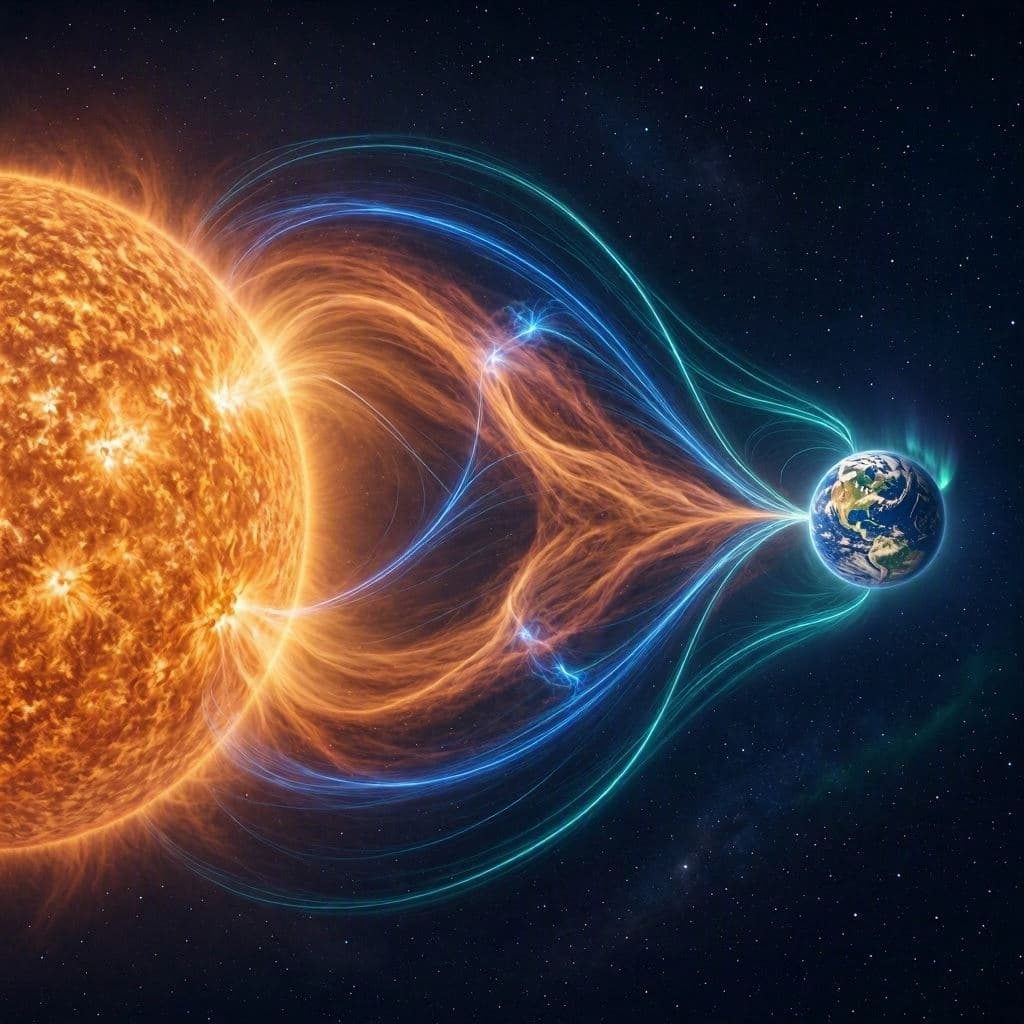
These solar superstorms, known as coronal mass ejections (CMEs), involve massive clouds of plasma and magnetic fields being ejected from the sun’s atmosphere. When directed toward Earth, they can interact with our planet’s magnetic field, causing geomagnetic storms. While smaller storms often result in beautiful auroras, a severe event could induce powerful electrical currents in power grids, damage satellites, and disrupt communication systems. The potential for such an event is not merely theoretical; history records the Carrington Event of 1859, which caused telegraph systems to fail and sparked fires.
Today, our reliance on technology makes us far more susceptible to the impacts of space weather. Power grids, GPS navigation, aviation communications, and financial networks all depend on sensitive electronic systems that can be compromised by geomagnetic disturbances. Scientists warn that a storm of similar magnitude to the Carrington Event today could cause widespread blackouts, lasting months or even years in some regions, with economic costs estimated in the trillions.
Despite these risks, preparedness remains uneven. While agencies like NOAA and ESA monitor solar activity closely, the infrastructure to protect against extreme events is still developing. Hardening power grids, shielding satellites, and creating backup systems are essential steps, but they require significant investment and international cooperation. The challenge lies in balancing the low probability of a catastrophic event with the high cost of mitigation.
Public awareness is also crucial. Many people are unaware of the risks posed by space weather, viewing it as a distant scientific curiosity rather than a tangible threat. Education campaigns can help communities understand the importance of resilience and emergency planning. By fostering a culture of preparedness, societies can better withstand the shocks of natural phenomena, whether terrestrial or celestial.
The sun operates on an 11-year cycle, with periods of heightened activity known as solar maxima. We are currently approaching or within such a phase, increasing the likelihood of strong solar flares and CMEs. While most events will be mild, the potential for a rare, extreme occurrence serves as a reminder of our place in the cosmos. We are, in a sense, sitting ducks if we do not take proactive measures to shield our technological civilization.
Ultimately, the story of solar superstorms is one of humility and adaptation. It reminds us that while we have mastered many aspects of our environment, we remain subject to the forces of nature. By respecting these powers and preparing for their impact, we can ensure that our progress is not undone by a single burst of stellar energy.
AI Image Disclaimer: The visual representations in this article are AI-generated illustrations designed to convey the concepts of solar activity and its potential impact on Earth.
Sources: USGS, ESA, Space.com, Phys.org
Published by Banx Network. This article is part of the Banx decentralized media programme, powered by the BXE token on the XRP Ledger.