
Key Highlights
- Announcement:Serbian President Aleksandar Vucic will resign in the coming weeks.
- Political Impact:His resignation accelerates upcoming presidential and parliamentary elections.
- Future Involvement:Vucic plans to remain active in politics after stepping down.
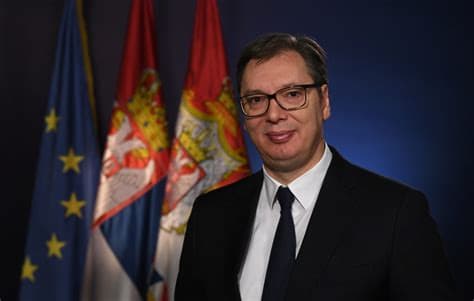
Serbian President Aleksandar Vučić has officially announced that he will resign from his position in the coming weeks, marking a significant shift in the political landscape of Serbia. This announcement comes as he prepares to address large crowds for the last time as president, indicating a momentous transition for both him and the nation.
Vučić, who has been at the helm of Serbia since 2017, stated that he has informed the leadership of his party, the Serbian Progressive Party (SNS), about his decision. He expressed his commitment to supporting the party in the upcoming elections, emphasizing the importance of gaining public trust. The party is expected to run under the banner of “United Serbia,” a move Vučić believes will bolster their chances in the electoral race.
The timing of Vučić's announcement is particularly crucial as it coincides with planned early presidential and parliamentary elections. His resignation effectively sets in motion a series of political events that could reshape Serbia's governance. Analysts suggest that this decision may have been influenced by the current political climate and public sentiment, which has seen increasing scrutiny of his administration.
Despite stepping down from the presidency, Vučić has assured his supporters that he will remain involved in Serbian politics. His future role is yet to be defined, but he has indicated a desire to continue influencing the political landscape, which raises questions about the direction of the SNS and its policies moving forward.
The implications of Vučić's resignation extend beyond party politics; they also reflect broader societal changes within Serbia. As the nation prepares for elections, the political dynamics are likely to shift, with various parties vying for power in a landscape that Vučić has dominated for years. His departure could open the door for new leadership and potentially alter the course of Serbian politics.
As the situation develops, many will be watching closely to see how the SNS adapts to this transition and how Vučić's legacy will be perceived in the context of Serbia's future. The upcoming elections will be a critical test for the party and its ability to maintain its influence without its long-standing leader at the forefront.
Published by Banx Network. This article is part of the Banx decentralized media programme, powered by the BXE token on the XRP Ledger.



