
Key Highlights
- Rising inflation and unemployment in Iran are causing public unrest.
- Young populations are particularly affected, leading to protests.
- Government measures to stabilize the economy face skepticism.
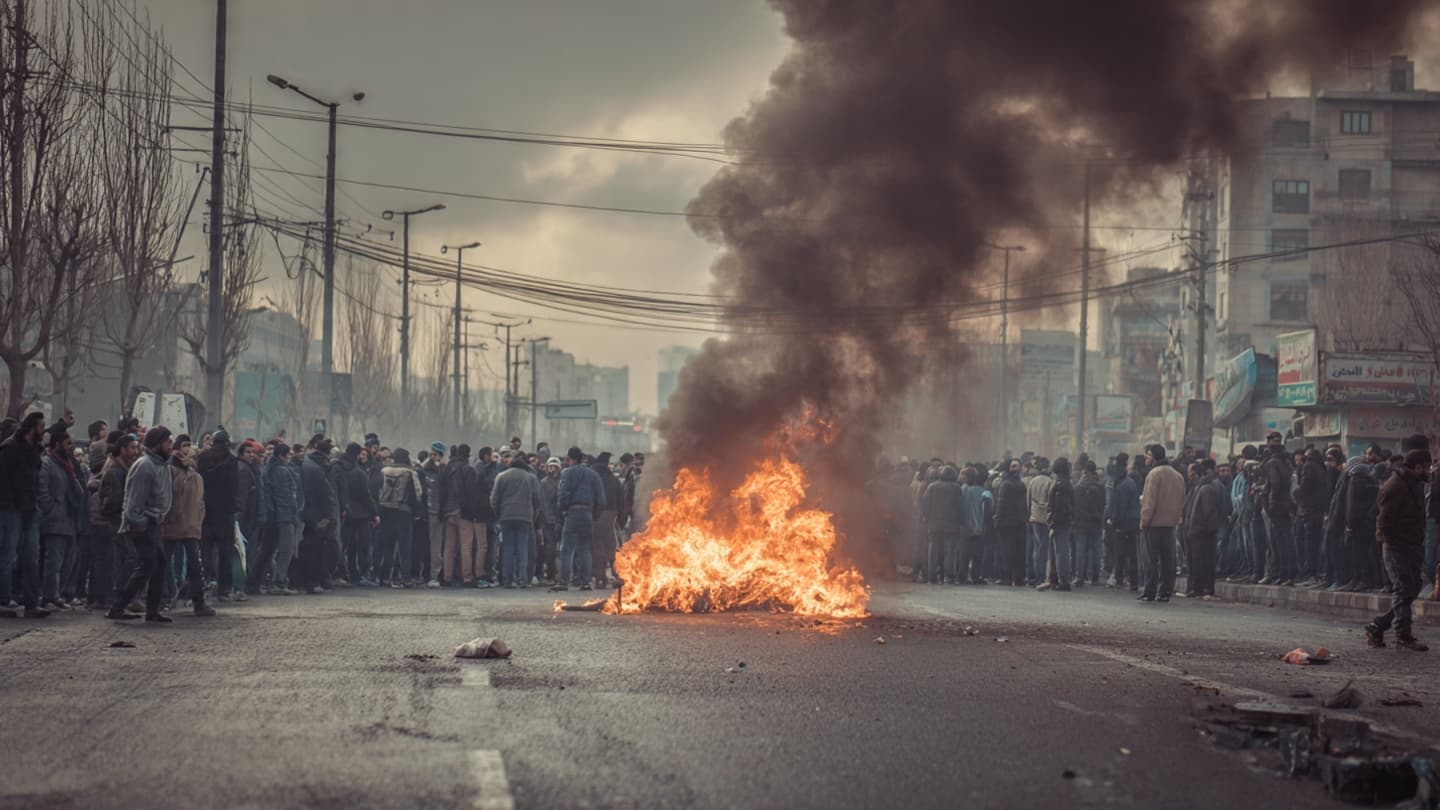
Economic pressures in Iran have reached a boiling point, with rising inflation and stagnant wages leading to widespread public discontent. Analysts report that these economic challenges are particularly acute among younger populations, who are increasingly vocal about their frustrations. The combination of high inflation rates and limited job opportunities has sparked protests and calls for significant policy reform across the nation.
The economic landscape in Iran has been shaped by a myriad of factors, including government inefficiency and perceived mismanagement. Citizens are not only grappling with immediate financial hardships but are also concerned about the long-term implications of these economic conditions. The frustration is palpable, as many seek tangible solutions to their problems, demanding accountability from their leaders.
Experts warn that the ramifications of economic hardship extend beyond mere financial metrics. The strain on families and communities can lead to instability, affecting education, employment prospects, and overall societal well-being. As financial stress mounts, the potential for social unrest grows, creating a volatile environment that could have significant political consequences.
The international context further complicates Iran's economic situation. Sanctions imposed by foreign governments, fluctuations in global markets, and regional instability all contribute to the challenges faced by the Iranian economy. These external pressures complicate the government's ability to implement effective policy responses, leaving citizens feeling increasingly disenfranchised.
In response to the growing unrest, government officials have acknowledged the public's concerns and have proposed targeted measures aimed at stabilizing the economy and improving employment rates. However, critics argue that these interventions are often too slow or ineffective, leading to skepticism about the government's commitment to meaningful change.
Public demonstrations and discussions on social media reflect a deep-seated desire for change among the populace. Analysts emphasize that understanding these dynamics is essential for anticipating future political and social developments in Iran. The ongoing discourse highlights the critical intersection of economic conditions and governance, where policy decisions have immediate and far-reaching consequences for citizens.
As Iran continues to navigate these complex challenges, the focus will remain on how effectively the government can address economic realities while maintaining social stability. The interplay between policy and public confidence will be crucial in shaping the future of the nation, as citizens demand accountability and action in the face of adversity.
Published by Banx Network. This article is part of the Banx decentralized media programme, powered by the BXE token on the XRP Ledger.



