
Key Highlights
- Exotic animals like servals, macaques, and geckos are being rescued in Ireland.
- The NSPCA highlights concerns over the lack of regulation for exotic pets.
- Wildlife parks and rescue centers are stepping up to provide care for these animals.
[Exotic Animals in Ireland]
Out beyond our familiar hedgerows and local parks, in the quiet corners of an Irish back garden and the sanctuary enclosures of wildlife parks, strange and beautiful lives have entered the nation’s consciousness. Like unexpected visitors from distant places, servals, macaques, and geckos have become the latest arrivals in Ireland’s unfolding story of exotic animal rescue — a tale that ripples out far beyond the ordinary boundaries of domestic pets.
A serval — a medium-sized wild cat native to sub-Saharan Africa — was recently found wandering in a Roscommon back garden, its slender frame and distinctive spotted coat a reminder of distant savannas and unfamiliar ecosystems. Once malnourished and alone, the wildcat has since been taken into care by a wildlife park where experienced keepers nourish and monitor its recovery. This incident highlights the increasing presence of exotic animals in Ireland, raising questions about their origins and the circumstances that led them to be in need of rescue.
Alongside this feline visitor, primates that trace their origins to Asia and Africa have also graced Irish rescue centres. Macaques — agile and inquisitive cousins of humanity — have been welcomed into specialist facilities, their presence a gentle reminder of the complex needs such animals carry when displaced from their native habitats. The arrival of these primates underscores the importance of understanding the responsibilities that come with caring for exotic species, as they often require specialized diets and environments to thrive.
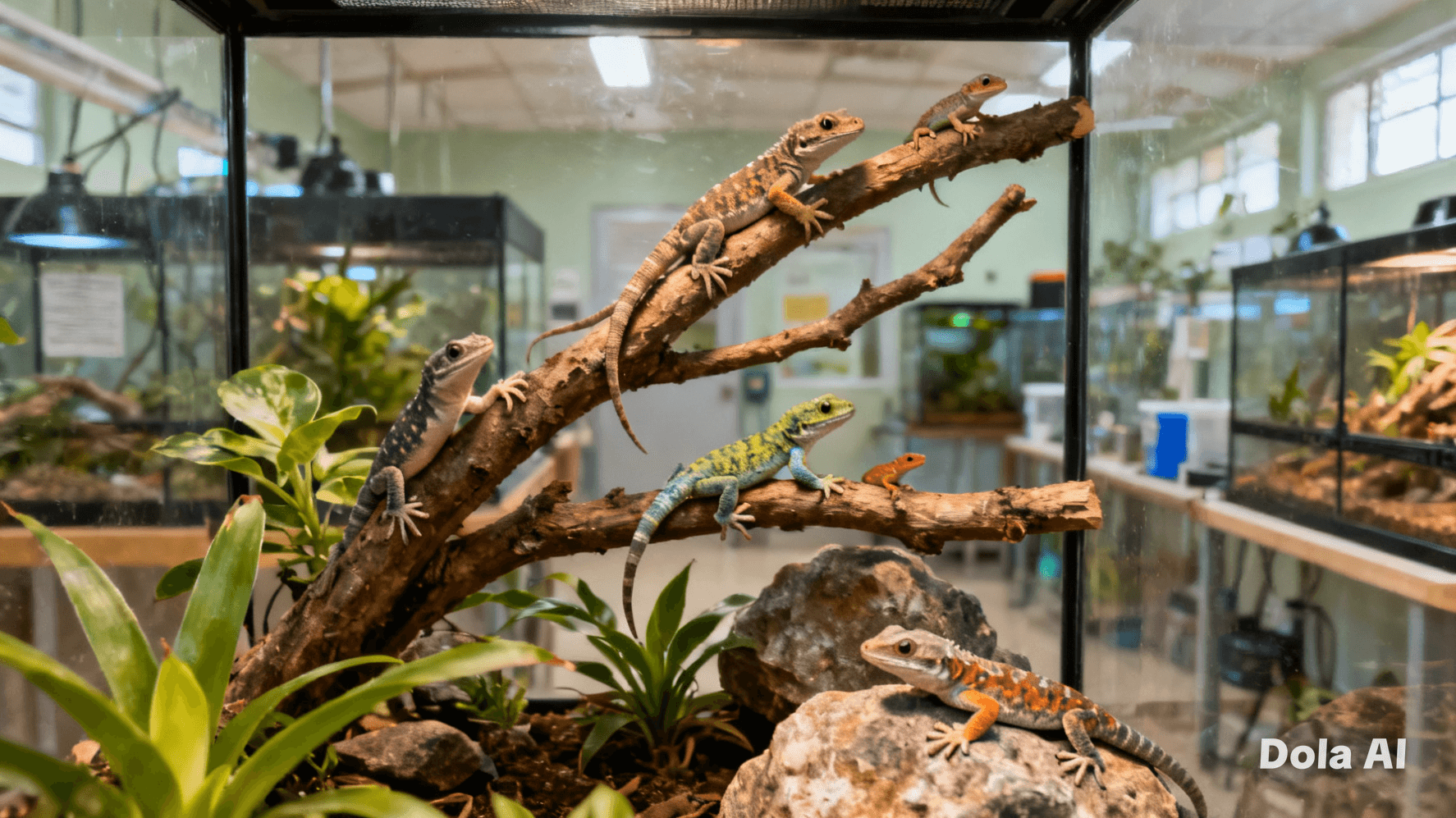
In the cooler shadows and terrariums of shelters that have expanded their remit to include reptiles and other non-traditional companions, geckos and other lizards find themselves among the rescued. These usually small, delicate creatures evoke distant climates and ecosystems far removed from Irish gardens, yet here they are: in need of warmth, care, and proper housing. The growing trend of keeping such exotic pets raises concerns about the adequacy of care and the knowledge required to maintain their health and well-being.
The NSPCA has raised concerns that such rescues are symptomatic of a broader issue: a lack of education and regulation around the keeping of exotic animals as pets. With no comprehensive licensing system in place for many non-native species, animal welfare advocates say it can be difficult to track where these animals are kept, how well they are cared for, or whether their owners are prepared for the responsibilities involved. This regulatory gap poses significant challenges for animal welfare organizations and highlights the need for increased public awareness and education on the complexities of exotic pet ownership.
Across these stories, a common thread emerges — one of compassion intersecting with complexity. Ireland’s rescue networks, wildlife parks, and animal charities step forward to give these creatures second chances, but they also prompt a broader reflection: what does it mean to bring the wild into our communities, and how do we ensure that it is done with respect, understanding, and safety for both animals and people? The narrative of these exotic rescues serves as a reminder of our interconnectedness with the natural world and the responsibilities that come with it.
In the end, each serval, macaque, and gecko that arrives in care becomes not just an exotic rescue but a gentle invitation to reconsider our relationship with the natural world beyond the familiar dog and cat. As Ireland continues to navigate the complexities of exotic animal care, the stories of these unique creatures will undoubtedly shape the future of wildlife conservation and animal welfare in the country.
Published by Banx Network. This article is part of the Banx decentralized media programme, powered by the BXE token on the XRP Ledger.



