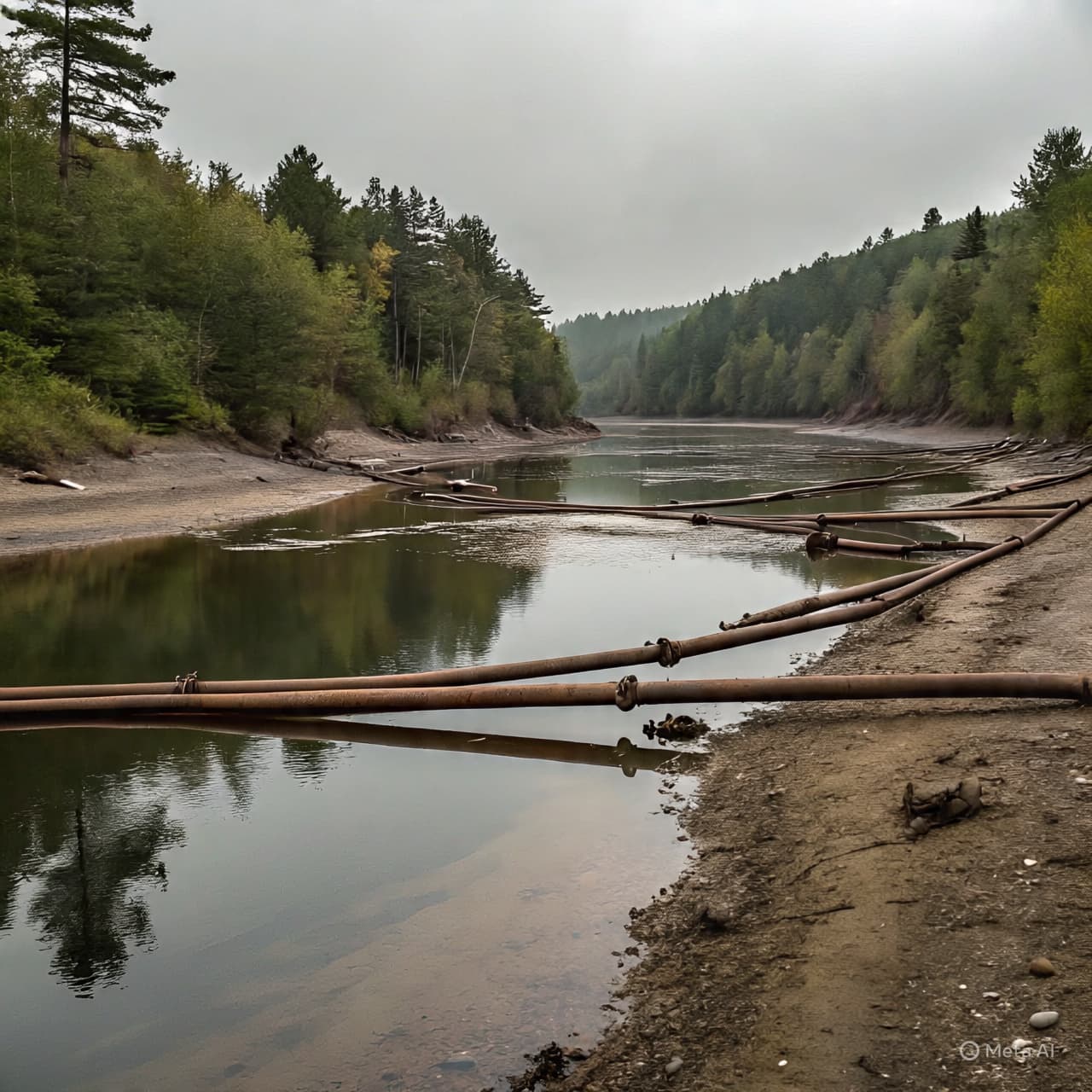
In the broad sweep of global energy maps, Venezuela’s name often appears stamped beside figures that captivate economists, diplomats, and environmentalists alike. Beneath the tropical sun, vast reserves claim the status of the largest known on earth, holding promise of fuel and revenue. Yet it is not just the volume of black gold that defines Venezuela’s oil story — it is also the dense, stubborn, and environmentally fraught nature of what lies beneath. Like a story told in contrasting chapters, Venezuela’s oil wealth carries within it a quiet tension between economic aspiration and environmental consequence.
First, the oil beneath Venezuelan soil is not like the light crudes that glide easily through pipelines and refineries elsewhere. Most of the country’s reserves — especially in the Orinoco Belt — consist of heavy and extra‑heavy crude oil, a thick, viscous substance that moves sluggishly and resists processing into clean fuels. This “dirty” quality means it must be blended with lighter inputs or extensively refined before it can be sold or burned, and that process demands more energy and emits more greenhouse gases than light crude production.
Second, the environmental footprint of Venezuela’s oil goes beyond carbon emissions. Decades of underinvestment, aging infrastructure, and insufficient maintenance have contributed to frequent oil spills, pipeline leaks, and refinery malfunctions, particularly around key zones such as Lake Maracaibo. The lake, one of the oldest in the Americas, has seen oil‑related pollution degrade its waters and harm aquatic life, turning pristine ecosystems into toxic stew in places where infrastructure has deteriorated.
Third, the combination of heavy crude’s composition and the industry’s operational challenges raises broader concerns about climate and ecological sustainability. Extra‑heavy oil’s high sulfur and metal content not only complicates refining but also contributes to corrosive handling issues that increase the risk of spills and toxic discharges. Meanwhile, extracting and transporting this grade of crude tends to increase the total carbon intensity of the fuel lifecycle, making it among the more climate‑damaging sources of oil in the world’s energy mix.
For all its vast numbers and theoretical potential, Venezuela’s oil illustrates a wider truth about modern energy: that abundance on paper can coexist with heavy environmental cost in practice. Efforts to tap these reservoirs bring economic arguments into conversation with ecological ones, and the decisions made today will shape landscapes, livelihoods, and climate outcomes for years to come.
AI Image Disclaimer “Visuals are created with AI tools and are not real photographs.”
Sources Reuters EIA (U.S. Energy Information Administration) Caracas Chronicles Biz Republic Lake Maracaibo environmental reporting
نُشر بواسطة Banx Network. هذا المقال جزء من برنامج الوسائط اللامركزية من Banx، مدعومًا برمز BXE على شبكة XRP Ledger.