
Key Highlights
- Venezuela holds the largest known oil reserves in the world.
- The country primarily produces heavy and extra-heavy crude oil.
- Environmental degradation and pollution are significant concerns in oil-producing regions.
Venezuela's oil industry is a paradox of immense potential and profound challenges. With the largest known oil reserves globally, the country stands at a crossroads where economic aspirations clash with environmental realities. The oil beneath Venezuelan soil is not the light, easily processed crude found in other regions; instead, it consists mainly of heavy and extra-heavy crude oil. This thick, viscous substance poses unique challenges for extraction and refining, significantly impacting both the economy and the environment.
The Orinoco Belt, a key area for oil production, is rich in these heavy crudes. Unlike lighter oils, heavy crude requires extensive processing to convert it into usable fuels. This process is not only energy-intensive but also results in higher greenhouse gas emissions. As the world increasingly prioritizes sustainability, the environmental costs associated with heavy crude production raise critical questions about the future of Venezuela's oil industry.
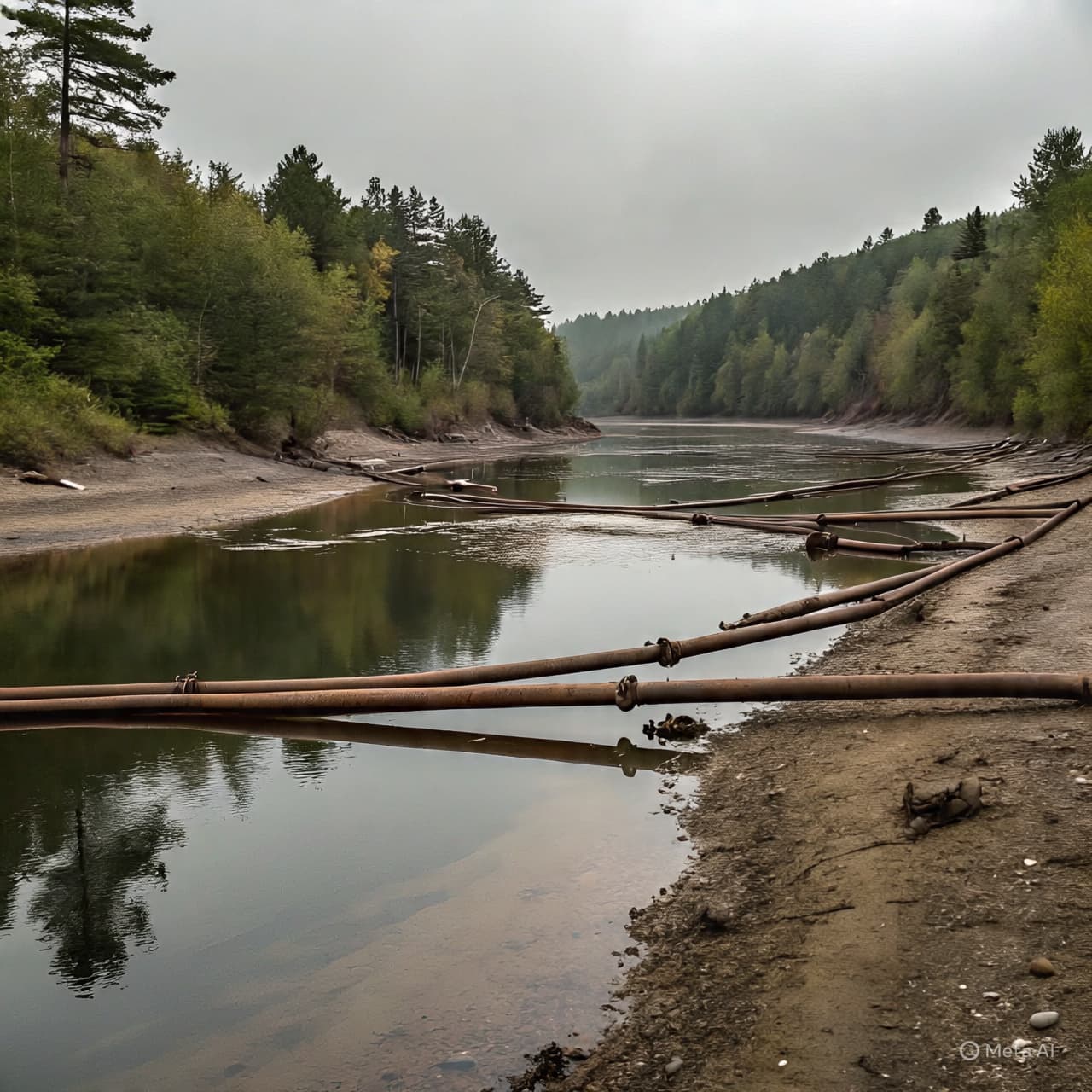
Environmental degradation is another pressing issue linked to Venezuela's oil production. Decades of underinvestment and aging infrastructure have led to frequent oil spills and pipeline leaks, particularly in sensitive areas like Lake Maracaibo. This lake, one of the oldest in the Americas, has suffered from pollution that has severely impacted its aquatic ecosystems. The degradation of such vital natural resources highlights the urgent need for improved infrastructure and environmental safeguards in the oil sector.
Moreover, the composition of heavy crude oil complicates refining processes. Its high sulfur and metal content not only makes it more challenging to process but also increases the risk of spills and toxic discharges during extraction and transportation. This raises broader concerns about the sustainability of relying on such a resource, especially as the global community shifts towards cleaner energy alternatives.
Despite its vast reserves, Venezuela's oil industry exemplifies a critical truth about modern energy: the coexistence of theoretical abundance with substantial environmental costs. The decisions made today regarding oil extraction and production will have lasting implications for the country's landscapes, communities, and climate. As Venezuela navigates this complex landscape, the balance between economic gain and environmental stewardship will be crucial in shaping its future.
Published by Banx Network. This article is part of the Banx decentralized media programme, powered by the BXE token on the XRP Ledger.



