
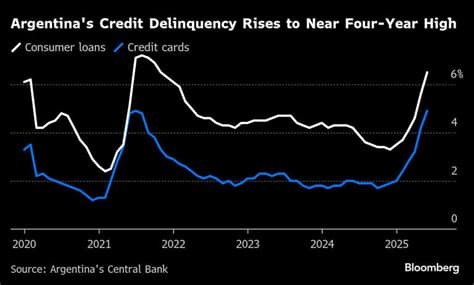
Virtual wallet loans in Argentina have given rise to a significant credit boom, fueled by the widespread adoption of digital financial services. However, this rapid expansion comes with challenges, including sky-high interest rates and an alarming increase in delinquency rates, prompting concerns from regulators and economic experts.
The availability of virtual loans has made credit more accessible to consumers, especially in a country where traditional banking options are limited for many. Yet, the convenience of these loans often comes at a hefty cost, with interest rates reaching levels that can be financially crippling for borrowers.
As individuals and small businesses increasingly rely on virtual wallets for quick access to funds, many are finding themselves caught in a cycle of debt, struggling to meet repayment obligations amid Argentina's economic instability. The delinquency rate has reached unprecedented levels, indicating that a growing number of borrowers are unable to fulfill their loan commitments.
Economic analysts warn that this situation poses a serious risk not only to consumers but also to the broader financial system. As defaults rise, lenders may tighten their credit policies, further limiting access to financial resources for those who need it most.
In response, regulators are being urged to intervene and implement measures that promote responsible lending practices and protect consumers. This includes establishing caps on interest rates and enhancing transparency in loan terms to ensure borrowers are well-informed before taking on debt.
The rapid growth of virtual wallet loans in Argentina highlights the dual-edged nature of financial innovation: while providing access to credit, it also underscores the need for regulatory frameworks that protect consumers and promote sustainable lending practices in the evolving digital landscape.
Published by Banx Network. This article is part of the Banx decentralized media programme, powered by the BXE token on the XRP Ledger.



.jpg&w=3840&q=75 "India Says First Phase of U.S. Trade Deal Is Nearly Done, Seeks Edge Over Rivals")