In the digital age, our online interactions often leave behind trails that can illuminate the darkest moments of human behavior. Court documents released in the aftermath of the Virginia State University shooting reveal chilling Instagram messages sent by the suspect, 19-year-old Camron Harris. In one chat, he allegedly wrote, “I’m tryna find the gun,” a statement that now serves as a grim prelude to the violence that unfolded on campus early Saturday morning.
The shooting, which occurred around 1:20 a.m., left five people injured and plunged the university community into fear and uncertainty. Harris, who was not a student at VSU, was later found hiding in a closet on campus and arrested. The release of his social media communications provides a disturbing glimpse into his mindset prior to the attack, suggesting premeditation and intent. Investigators confirmed that the Instagram account belonged to Harris and that no one else had access to it.
These digital footprints are becoming increasingly common in criminal investigations. Social media platforms, once seen primarily as spaces for connection and expression, are now scrutinized for evidence of planning and motive. For law enforcement, these messages are crucial pieces of the puzzle, helping to establish timeline and intent. For the public, they are a sobering reminder of how easily violent intentions can be broadcasted, even if subtly, in plain sight.
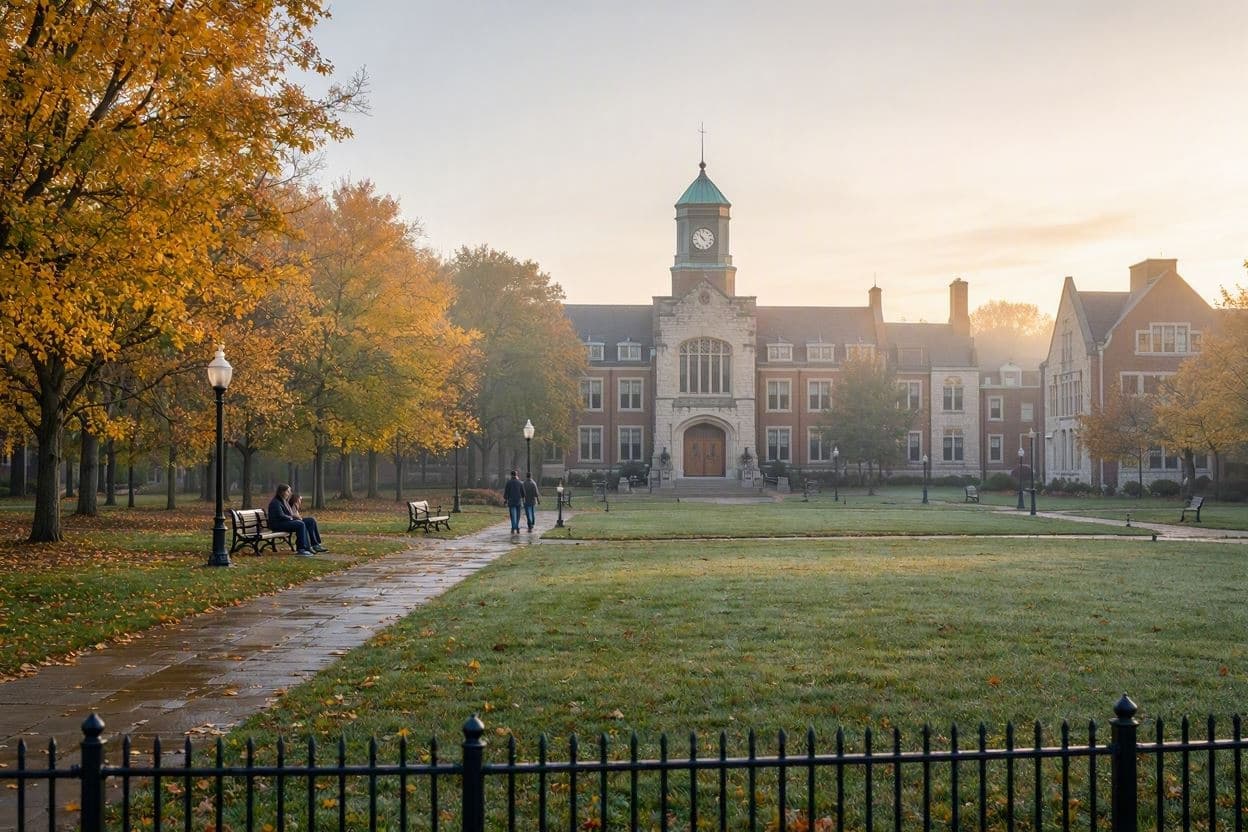
The victims of the shooting are currently recovering, their physical wounds healing but their emotional scars likely to linger. The university has offered counseling and support services to students and staff affected by the trauma. The community has rallied together, holding vigils and expressing solidarity, seeking comfort in unity amidst the shock of the event.
Harris faces eight felony charges, including four counts of malicious wounding and four counts of unlawful wounding. His arraignment marked the beginning of a legal process that will seek to hold him accountable for his actions. The prosecution will likely rely heavily on the digital evidence, including the Instagram chats, to build their case. The defense may argue issues of mental health or coercion, but the direct nature of the messages poses a significant challenge.
This incident has reignited debates about gun access and mental health support for young adults. While the specifics of how Harris obtained the weapon are still under investigation, the ease with which he allegedly planned the act raises questions about preventive measures. Universities and communities are increasingly looking for ways to identify warning signs and intervene before tragedy strikes.
Virginia State University has reaffirmed its commitment to campus safety, reviewing its emergency response protocols and security measures. The administration has emphasized that the well-being of students is the top priority and that lessons learned from this incident will be used to strengthen protections. Trust, once shaken, takes time to rebuild, but transparency and action are key steps in that process.
As the legal proceedings continue, the focus remains on supporting the victims and understanding the factors that led to this violence. The Instagram messages are not just evidence; they are a tragic testament to a life gone astray. In analyzing them, society is forced to confront the complex interplay of technology, mental health, and violence. It is a call for greater awareness, compassion, and proactive engagement in the lives of those around us.
AI Image Disclaimer: Visuals in this article are AI-generated illustrations depicting digital communication concepts and university campuses, designed to reflect the themes of investigation and community support without depicting real individuals or graphic content.
Sources: NBC News, CBS 6 Richmond, WRIC, The Henrico Citizen
Published by Banx Network. This article is part of the Banx decentralized media programme, powered by the BXE token on the XRP Ledger.