In the quiet after-glow of a respiratory infection, something unsettling may be stirring beneath the surface of one’s cardiovascular system. Emerging research now finds that infections like COVID‑19 and the seasonal Influenza virus are not just short-term respiratory illnesses: they may open the door to serious heart events in the days, weeks and even months that follow.
A comprehensive analysis published in the journal of the American Heart Association reviewed some 155 prior studies and found that individuals infected with influenza had up to four times the risk of a heart attack and five times the risk of a stroke within a month of infection. With COVID-19, the risk of heart attack and stroke rose approximately threefold in the 14-week window following infection—and remained elevated for up to a year.
What drives this unexpected link between a virus and the heart? One explanation lies in the body’s innate response: when the immune system confronts a virus, it triggers inflammation, mobilises clotting mechanisms and places stress on the vascular system. These responses may destabilise arterial plaques, reduce the elasticity of blood vessels and create conditions ripe for a clot or rupture—ultimately resulting in a heart attack or stroke.
For many people, especially those with underlying cardiovascular conditions, this means that a respiratory infection is not simply a temporary illness—it can act as a catalyst for serious and acute heart-health complications. The period immediately after infection appears to be the most critical: the first few weeks bring the highest risk.
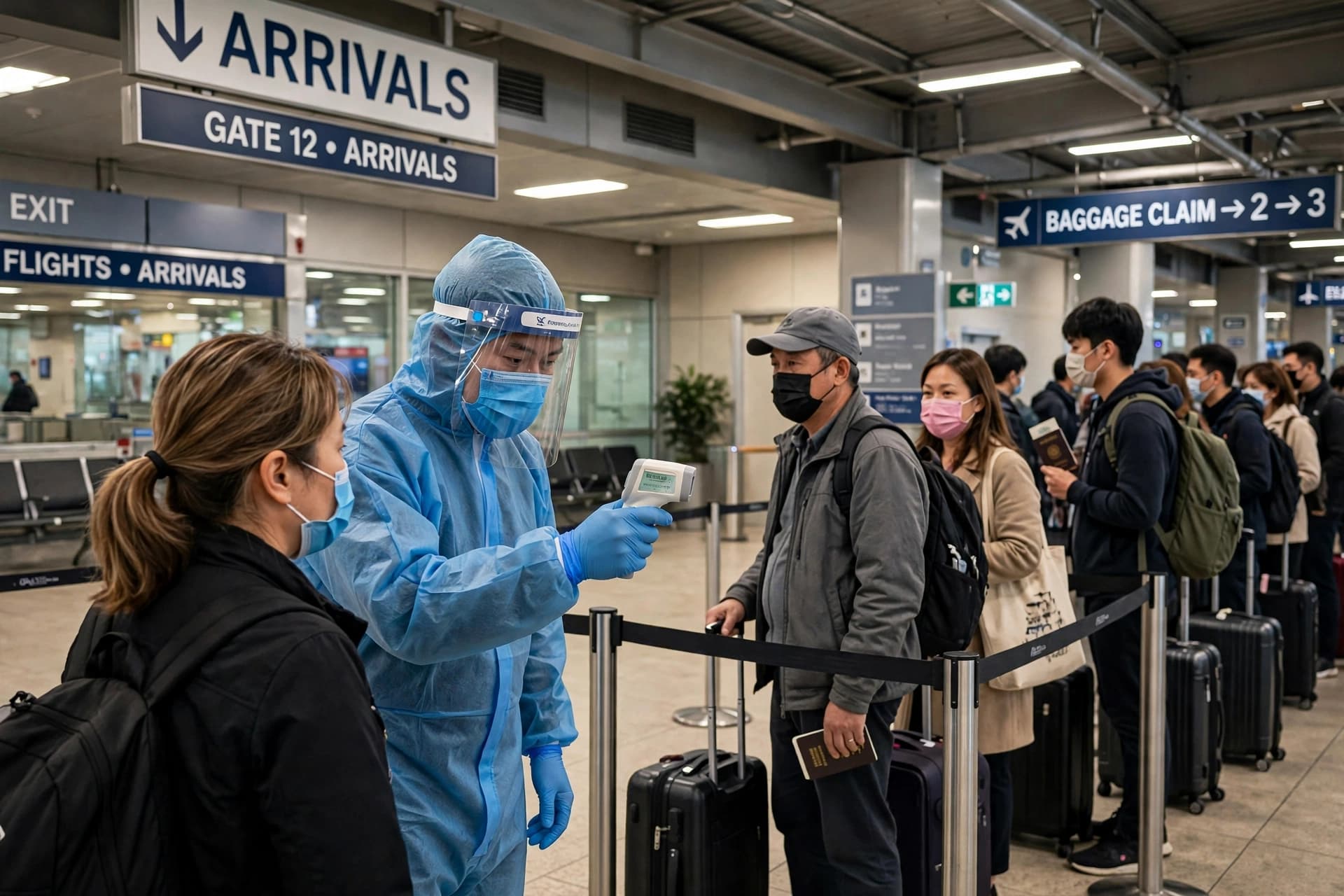
AI-generated illustrations for editorial concept only.
Published by Banx Network. This article is part of the Banx decentralized media programme, powered by the BXE token on the XRP Ledger.