

Key Highlights
- Renewed vigilance:The Democratic Republic of Congo faces a new Ebola outbreak.
- International response:Health authorities and organizations are ramping up efforts to contain the virus.
- Community engagement:Education and prevention measures are critical in managing the outbreak.
The Democratic Republic of Congo (DRC) is once again at the forefront of a public health crisis as renewed concerns about Ebola emerge. Reports of suspected Ebola-related deaths have prompted health authorities to intensify monitoring efforts in affected regions. This outbreak has drawn the attention of humanitarian organizations and international partners committed to disease containment and prevention, highlighting the urgency of the situation.
Health officials are actively working to identify potential transmission chains while implementing measures designed to reduce the risk of wider spread. The DRC has considerable experience confronting Ebola outbreaks, having developed robust response mechanisms over the years. These include surveillance systems, rapid testing capabilities, vaccination programs, and community engagement initiatives that are vital in managing the crisis.
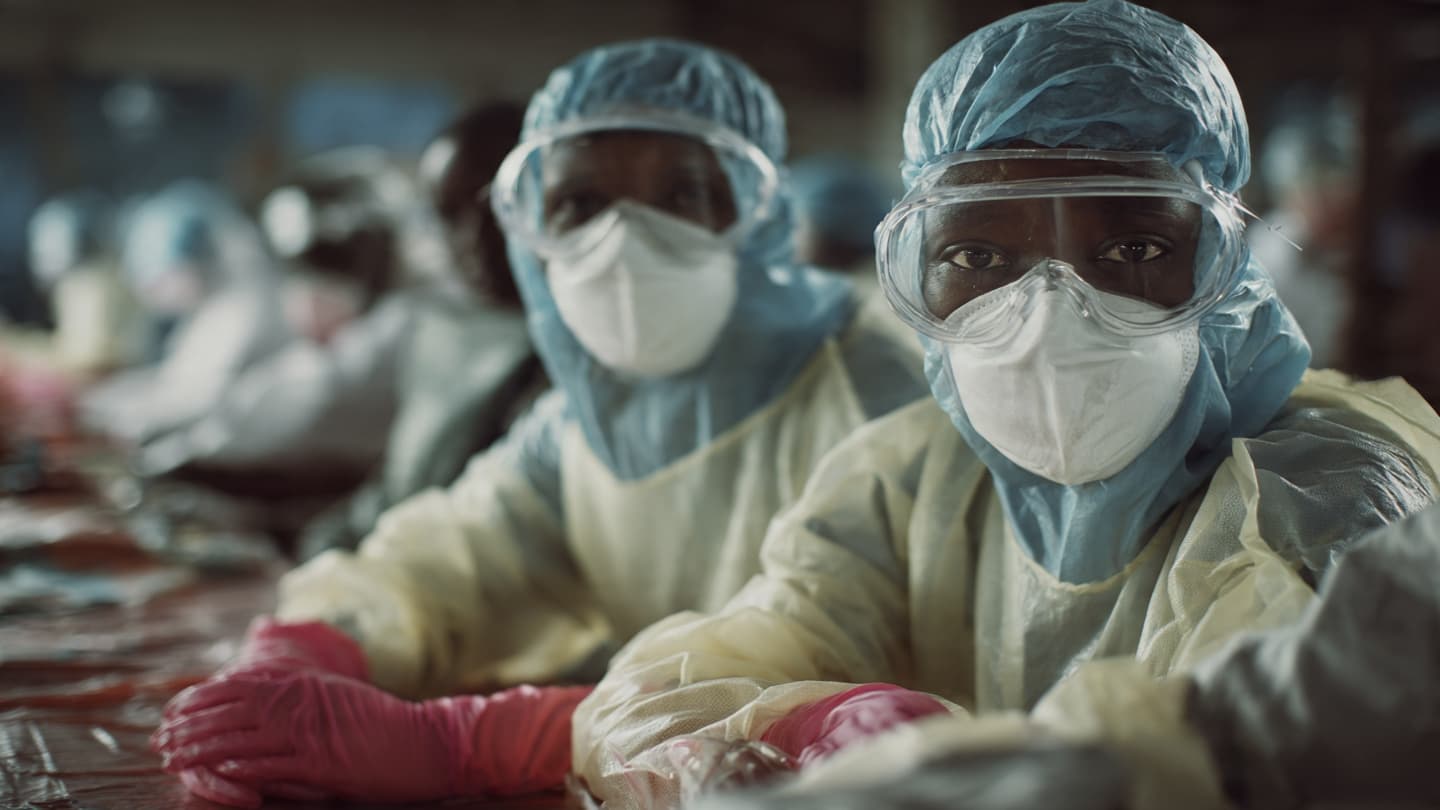
Despite these resources, significant challenges remain. Outbreak responses often occur in areas facing logistical difficulties, limited infrastructure, and population displacement. Such conditions complicate efforts to track infections and deliver medical assistance effectively. Healthcare workers are on the front lines, conducting screenings, monitoring suspected cases, and educating communities about symptoms, prevention, and the importance of seeking timely treatment.
International health agencies, including the World Health Organization (WHO) and other global disease-monitoring organizations, have expressed support for containment efforts. Cooperation between local authorities and international partners is essential in managing outbreaks effectively. The DRC's experience with previous Ebola outbreaks has underscored the importance of a coordinated response to limit transmission.
Public communication has become a central component of the strategy to combat the outbreak. Health experts emphasize the importance of providing accurate information while avoiding unnecessary panic. Clear communication helps communities understand risks and participate in prevention measures, which is crucial in the fight against Ebola.
Researchers continue to study Ebola to improve treatment options and outbreak preparedness. Advances in vaccines and medical interventions have strengthened the global response capacity compared with previous decades. While concerns remain, health authorities stress that early detection and coordinated action are powerful tools in limiting transmission.
The coming weeks will be critical as officials assess the scope of the outbreak and continue containment efforts. The DRC's experience and the international community's support will play a significant role in navigating this public health challenge.
Published by Banx Network. This article is part of the Banx decentralized media programme, powered by the BXE token on the XRP Ledger.




