In the vast, rugged landscapes of Northern Ontario, where communities are bound by resilience and shared history, a quiet concern is growing. Health officials have issued a warning that the region is vulnerable to rising HIV rates, citing recent increases in new diagnoses. This alert is not a cause for panic but a call for awareness, prevention, and compassionate support. It is a story of health equity, where geography and access play pivotal roles in determining well-being.
Recent data from the Northwestern Health Unit shows a rise in HIV cases, with numbers in 2026 already surpassing those of previous years. While the absolute numbers remain small compared to urban centers, the trend is significant for a region with limited resources and specialized care. For residents, this news may bring anxiety, but it also offers an opportunity to engage in proactive health measures and open dialogue.
HIV is no longer the sentence it once was, thanks to advances in treatment and prevention. With proper medication, individuals can live long, healthy lives and prevent transmission to others. However, stigma remains a barrier, often preventing people from seeking testing and care. Addressing this stigma is crucial, requiring education and empathy from all sectors of society. It is about creating an environment where health is prioritized over judgment.
Access to healthcare in remote areas presents unique challenges. Distance, transportation issues, and a shortage of specialists can hinder timely diagnosis and treatment. Health officials are working to expand services, including mobile testing units and telehealth options, to bridge these gaps. These efforts aim to ensure that no one is left behind due to their location. Community partnerships are also vital in delivering culturally sensitive and effective care.
Prevention strategies, such as the use of PrEP (pre-exposure prophylaxis), are key to reducing new infections. Education campaigns are highlighting the importance of regular testing and safe practices, empowering individuals to take control of their health. By normalizing these conversations, we can reduce fear and encourage proactive behavior. It is a collective effort to build a healthier future.
For those living with HIV, support networks are essential. Local organizations provide counseling, peer support, and advocacy, helping individuals navigate the complexities of care. These groups foster a sense of belonging and resilience, reminding people that they are not alone. Strengthening these networks is a priority for health officials, recognizing their role in holistic well-being.
The warning from health officials is a reminder that public health is a shared responsibility. It invites everyone to participate in creating a safer, more informed community. Whether through volunteering, donating, or simply speaking openly about health, each action contributes to the greater good. It is a testament to the power of community in facing health challenges.
In the end, the rise in HIV rates in Northern Ontario is a challenge that can be met with knowledge and compassion. It calls for a unified response that prioritizes health, dignity, and equity. Let us move forward with hope and determination, ensuring that every individual has the support they need to thrive. Together, we can build a future where health is accessible to all.
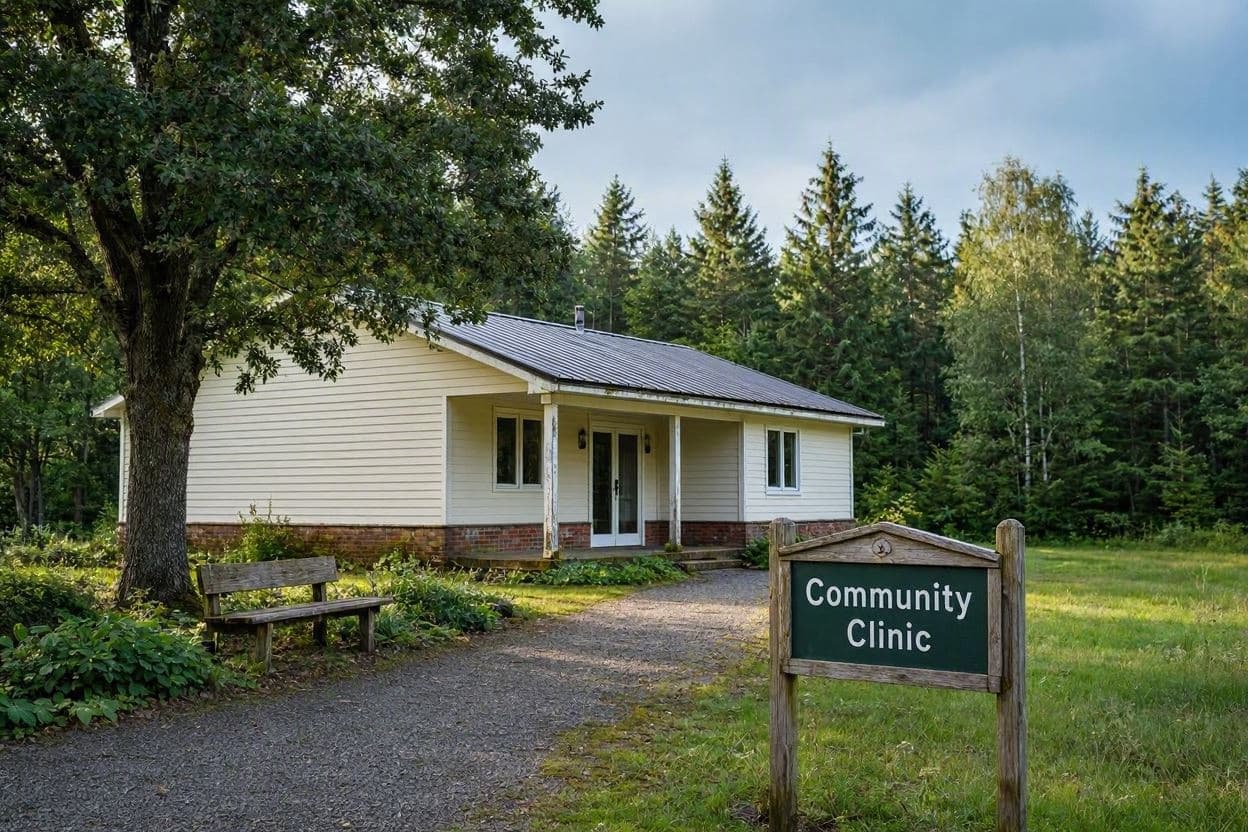
Note: Images used in this piece are AI-generated representations of healthcare access and community support, designed to be respectful and informative.
Sources: CBC News, Northwestern Health Unit, CATIE, Ontario Ministry of Health
Published by Banx Network. This article is part of the Banx decentralized media programme, powered by the BXE token on the XRP Ledger.